










eFTI from July 9, 2027: what really changes for the carrier and freight forwarder
From July 9, 2027, inspection authorities in all EU countries will be required to accept transport information provided electronically. Many myths have grown around this date: that the paper consignment note will cease to be valid, that every carrier will have to buy a new system, or that eFTI is simply e-CMR. None of these…
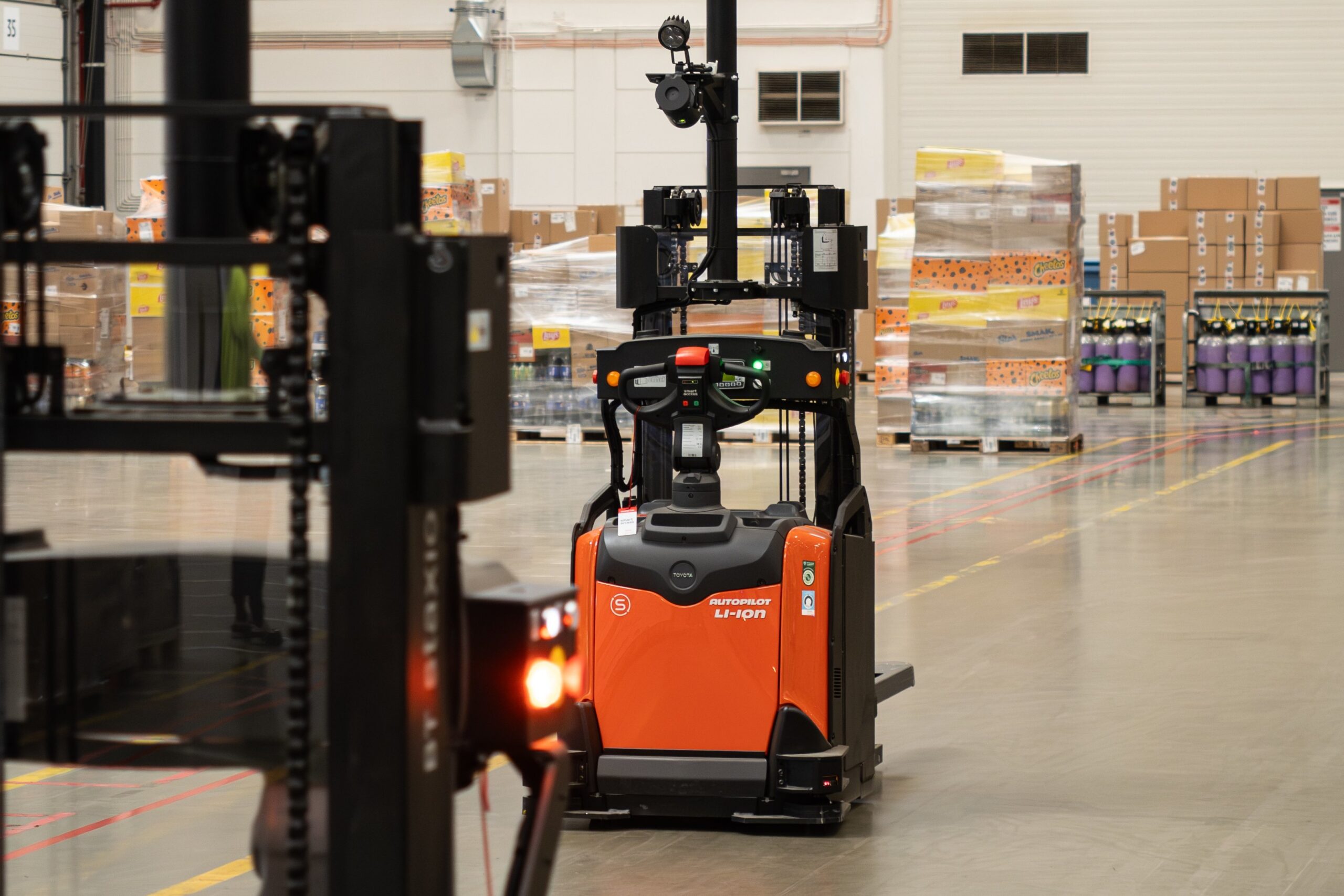
ID Logistics automates pallet transport at the PepsiCo logistics center in Mszczonów
ID Logistics, a contract logistics operator, has implemented Automated Guided Vehicles (AGVs) at its logistics center in Mszczonów, which serves PepsiCo products. Three vehicles are responsible for moving pallets ready for shipment from the wrapping line to the loading docks, completing over 860 pallet transports every day. The automation is intended to increase the quality…

Rhenus Logistics and Zhengtong Auto sign a cooperation agreement in automotive logistics
Rhenus Logistics and Zhengtong Auto – a wholly-owned subsidiary of ZhengTong Auto (part of the Xiamen ITG Holding Group) – have signed a Memorandum of Understanding (MoU) to support Zhengtong Auto’s logistics needs in Poland. The agreement, signed on November 4 at the Rhenus office in Shanghai, the Group’s headquarters for the Greater China region,…

A second life begins with a return. How e-commerce logistics is taking responsibility for the entire product lifecycle
A customer has just ordered a pair of shoes on a fashion platform. The logistics operator picks the order, packs it, and hands it over for delivery. In a traditional scenario, this is where the story should end. Everything goes according to plan until it turns out the shoes are too small. The customer reports…
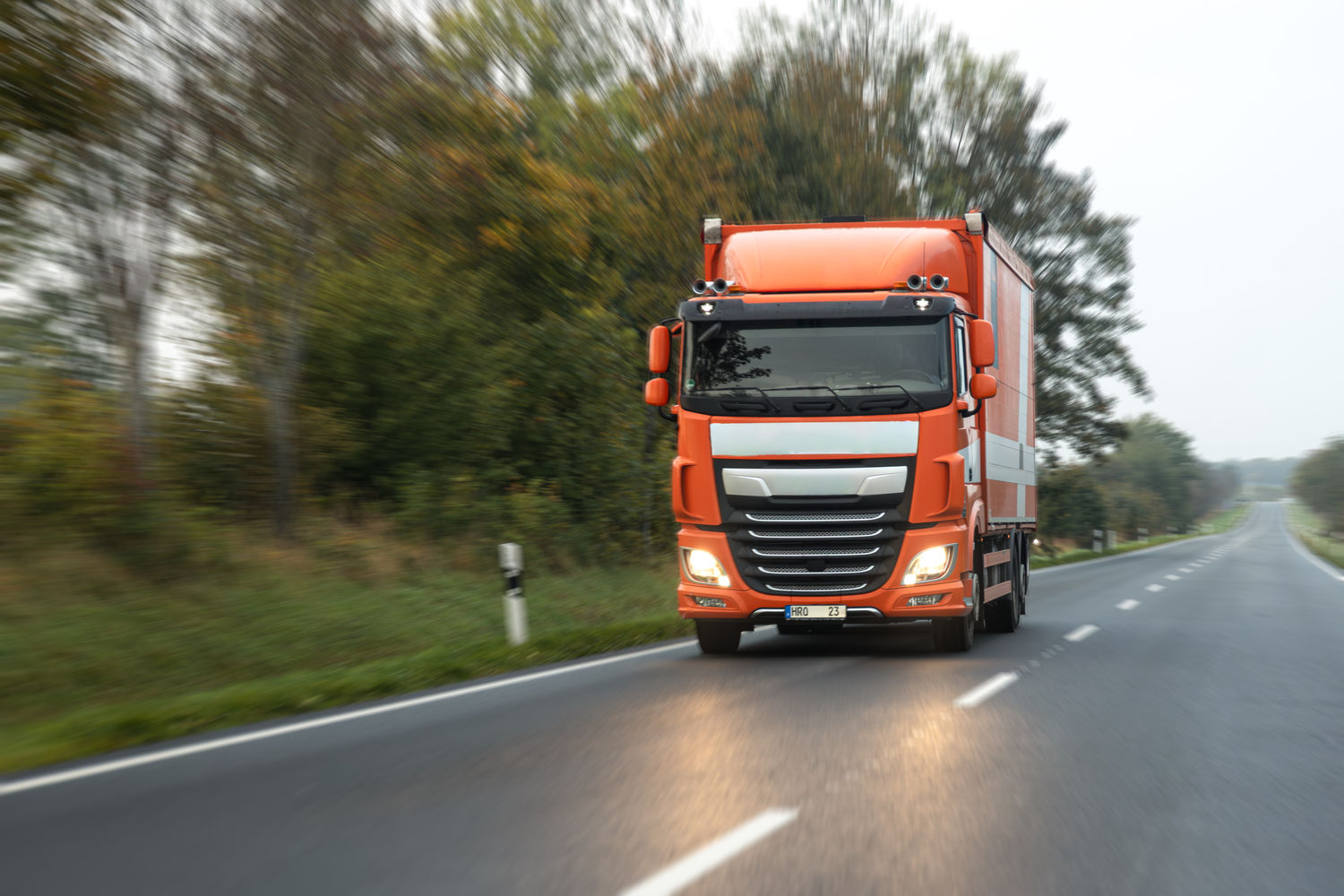
Trip cost vs. cost per kilometer: how to allocate fixed costs to days and kilometers
Freight pricing usually starts with fuel and tolls, as these costs are visible for a specific trip. Fixed costs – driver, leasing, insurance – are often added as a single “per kilometer” rate, calculated for the entire fleet. Such a rate always fails when trips differ in duration, and they almost always do. Below is…
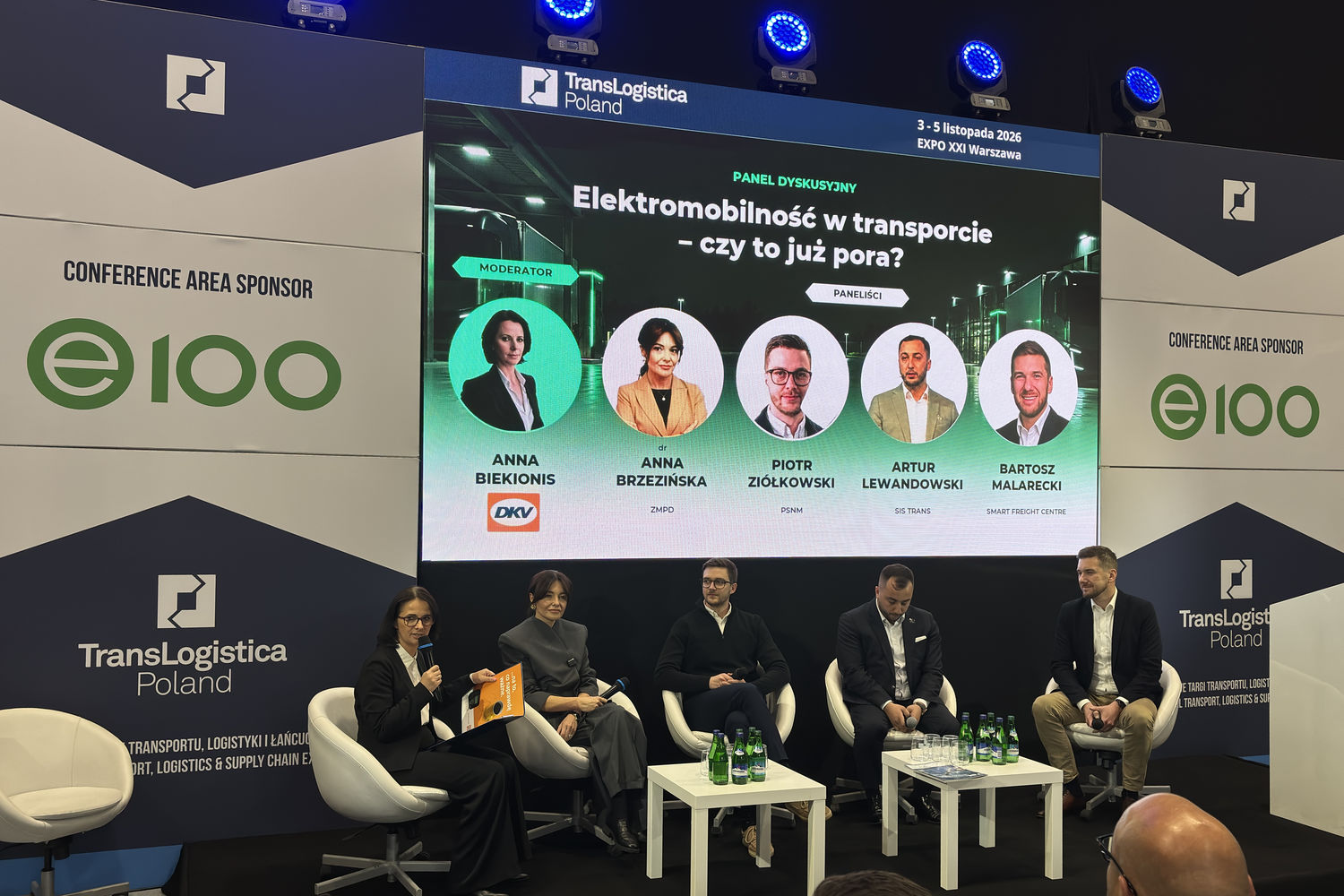
Electromobility in transport
Polish carriers are ready for electromobility and want to modernize their fleets, but investment decisions are still being held back by the high prices of electric trucks and insufficient charging infrastructure. Electric vehicles are currently about 2–3 times more expensive than combustion-engine ones, which is why every investment must be carefully analyzed in terms of…

DACHSER and GFL join the tenants of Jet Industrial Park Gdańsk
Jet Industrial Park Gdańsk has attracted key players in the logistics industry right at the beginning of its development. Logistics operators – DACHSER and GFL – have leased a total of nearly 10,000 m² of space.
Average payment delay in transport fell quarter-on-quarter
Polish carriers are waiting less and less time for overdue payments. In the second quarter of 2026, the average delay in settling invoices fell from 20 to just 7 days. However, the value of the Malcom Finance Payment Index, which stood at 57 in Q2, also includes the average agreed payment term. Data from the…

Industrial manipulators in intralogistics: when a forklift is not enough and a robot is too much
In the warehouse and at the end of the production line, there is a zone that is difficult to automate. The pallet is already there, the forklift has left, and someone has to move fifty cartons, thirty bags, or twenty rolls of film from one carrier to another. The task is too variable for a…
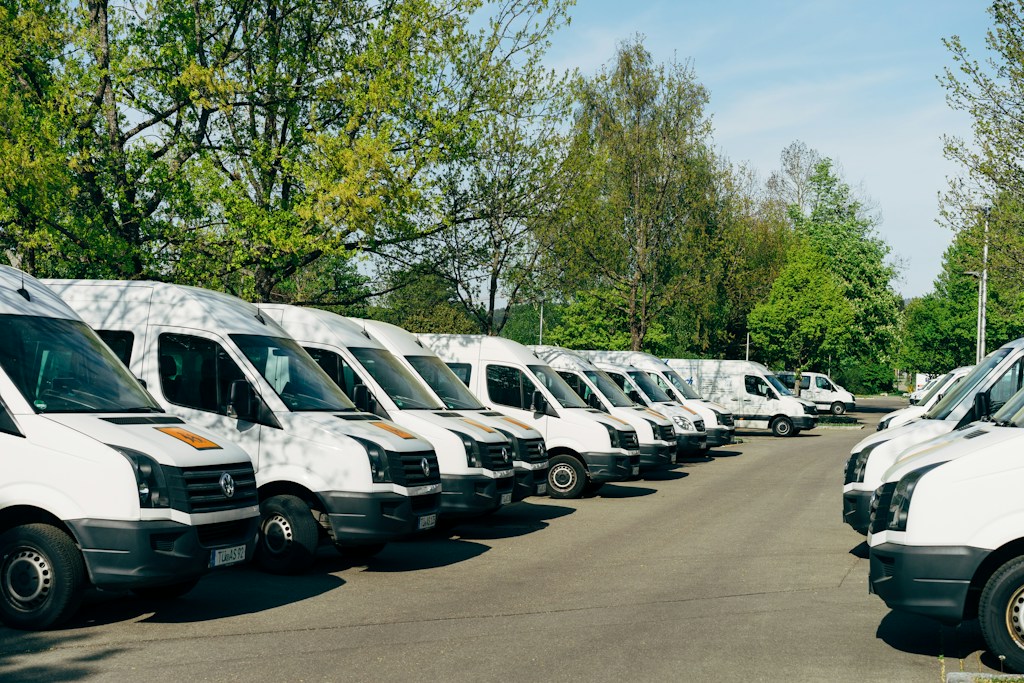
Long-term rental of delivery vans – when is it more profitable than buying
Long-term rental of delivery vans is more profitable than purchasing when the vehicle generates regular income, the company plans periodic replacement, and wants to limit capital tied up in the vehicle. High, predictable mileages favor this model, provided the mileage limit and service scope correspond to actual operations. The advantage lies in the predictability of…