









A customer has just ordered a pair of shoes on a fashion platform. The logistics operator picks the order, packs it, and hands it over for delivery. In a traditional scenario, this is where the story should end. Everything goes according to plan until it turns out the shoes are too small. The customer reports a return. Now, the package must be collected, the product’s condition assessed, and it must be prepared for resale as quickly as possible. For the consumer, it is a simple decision; for the online retailer and the returns center, it is the beginning of another process.
Imagine your customer is just opening the package
The footwear ordered for a weekend trip arrived quickly, but the size is wrong. The customer packs the product, sticks on the label, and drops off the return at a PUDO point. From their perspective, this is the final step; on the other side, a process begins where every hour can determine how quickly products return to sale and whether they will require refurbishment and repacking.
This is a situation well-known in e-commerce. A consumer’s simple decision to return an item triggers a complex flow of products, data, and decisions.
48 hours in the life of a return
| 0 h | 6 h | 18 h | 24 h | 48 h | |
| Return initiated | Package sent for consolidation | Product arrives at the returns center | Condition assessment and decision | Restocking | Resale or further handling |
The presented timeline is for illustrative purposes. The actual path and handling time depend on the product and the operational model.
The wave returning to the warehouse
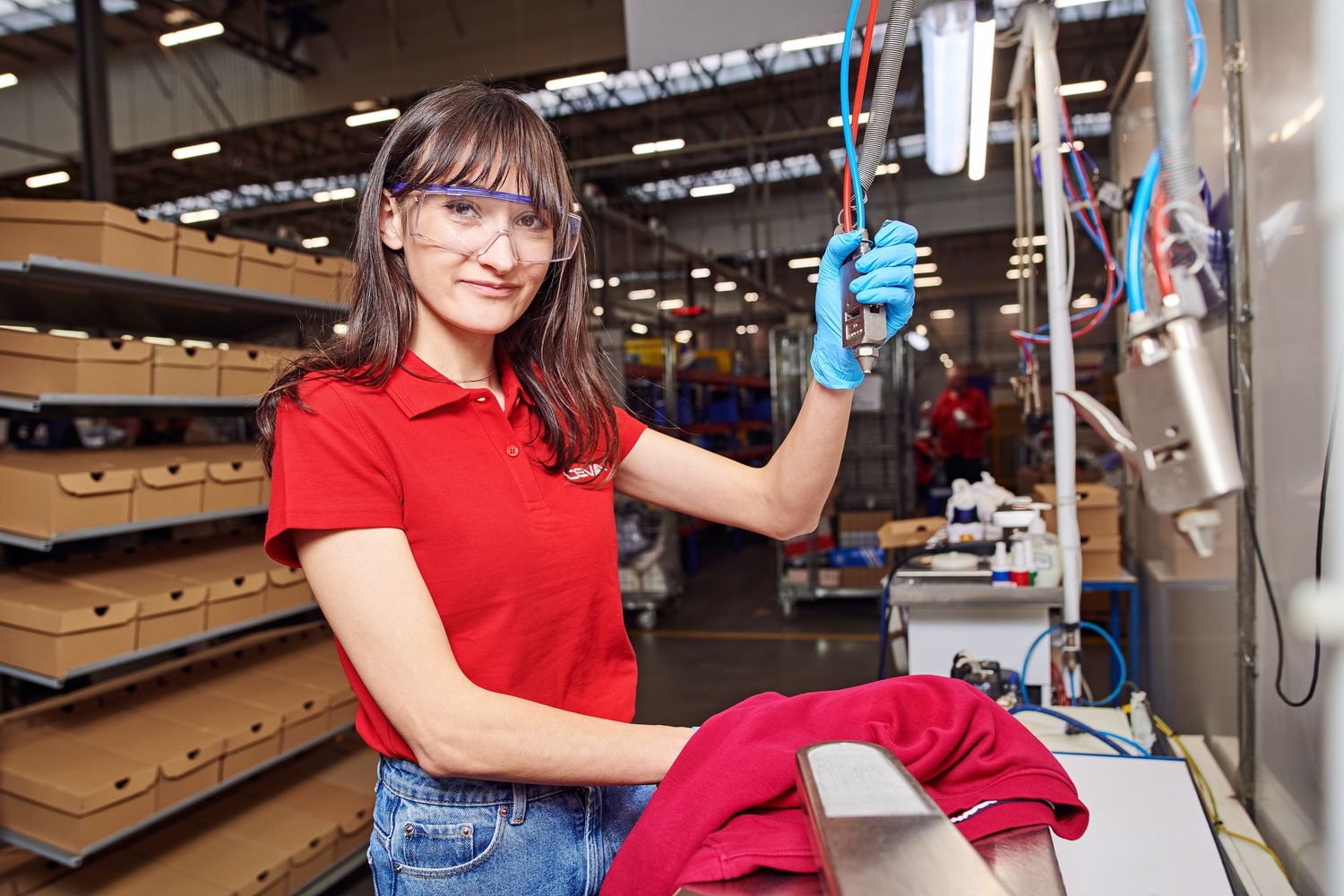
Returns are one of the biggest challenges in e-commerce. According to the European Environment Agency[1], their rate in online sales can be up to three times higher than in brick-and-mortar retail. In Europe, on average, one in five pieces of clothing bought online is returned, and in the case of footwear, it is about 30 percent. During peak sales and the pre-holiday period, the scale grows even further. In one of the returns centers managed by CEVA Logistics for a leading fashion platform, an average of about 450,000 items are handled weekly, and up to 700,000 during the peak season. Each product must be collected, identified, checked, and directed to the correct path. At this scale of operations, a return cannot simply be put back on a warehouse shelf.
In reverse logistics, time works for the value of the product. The faster we assess its condition, the greater the probability that it will return to circulation instead of becoming a cost
– says Marek Czapliński, CL Business Development Manager, CEVA Logistics.
In CEVA Logistics’ European returns centers, about 150 million returns are handled annually. More than 90 percent of items are processed on average within the first 24 hours, and over 95 percent of items qualify for resale after verification.
The moment of decision
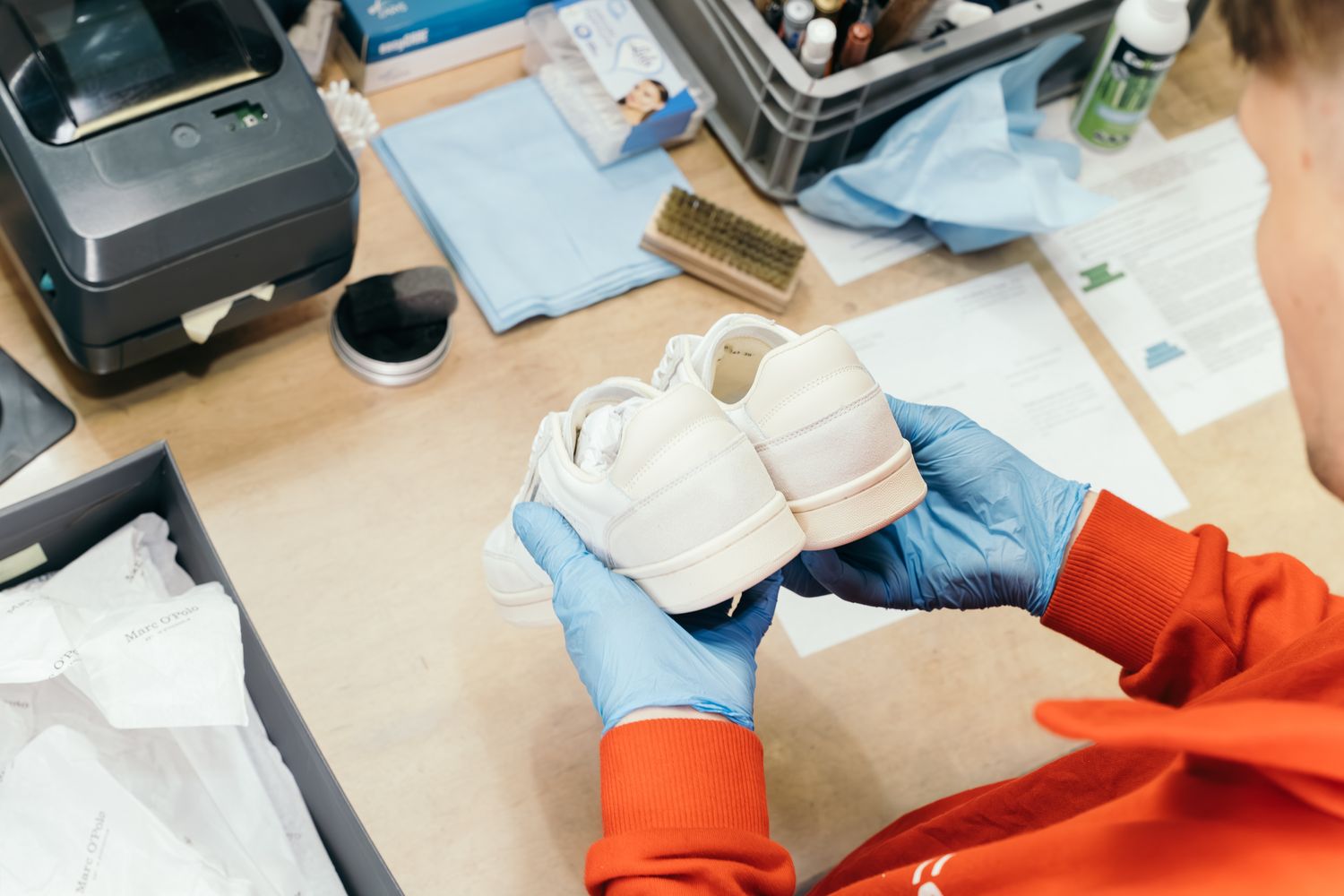
The footwear arrives at the returns center. With the help of an advanced IT system, the product is properly identified, and the SKU compliance, completeness, and physical condition are verified. If everything is in order, the product quickly returns to sale. If products require additional work, they may undergo refreshing, cleaning, repacking, re-labeling, or minor repairs (refurbishment).
The same mechanism drives re-commerce in fashion, electronics, home appliances, interior design items, and the luxury goods segment. In a 2025 Kantar study conducted in 13 European countries, 46 percent of respondents declared they had purchased a used smartphone, and 55 percent expressed a willingness to purchase a refurbished device in the future. For retail, this means a change in perspective: it is no longer just about return logistics, but about recovering the product and restoring it for resale.
One process, many points
A return can start at a PUDO point, a brick-and-mortar store, or the consumer’s home. Then, products are consolidated and transported to a returns center, from where they go to service, a repair center, a recycling partner, or back to sale via a fulfillment center and/or physical points of sale. Not all stages have to take place under one roof, but they must function as a single organism. If the warehouse, transport, service, and sales departments use integrated data, the product returns to the market faster.
The organization of the entire flow of goods is essential: from initiating the return in the seller’s app, through handing over the product via a PUDO point, in a brick-and-mortar store, or handing it to a courier directly at the consumer’s home, through consolidation and transport to the returns center, to assessing its condition and further handling. Efficiently integrating these stages allows for shortening the return handling time and reintroducing the product to sale faster. Specialized returns centers play a key role in extending the product lifecycle
– emphasizes Marek Czapliński.
Technology keeps the pace
With hundreds of thousands of items, manual decision-making would quickly become a bottleneck. Robots, autonomous transport systems, and picking and sorting solutions increase efficiency and ensure the flexibility required for seasonal volume changes. Equally important is the product’s digital footprint: where it returned from, what its condition is, and where it should go. CEVA Logistics uses, among other things, a proprietary IT system with a universal API. IT systems connect and exchange data on inventory, orders, transport, and returns, while IoT and data analytics support subsequent decisions.
CEVA Logistics’ returns centers are managed, among other things, using proprietary system solutions dedicated to the specifics of the returns process. Universal communication interface standards facilitate rapid deployment and implementation for new clients
– explains Marek Czapliński.
A good ending can be a beginning
Fulfillment, transport, returns, and re-commerce form a single system today. Therefore, the product lifecycle must be considered already during the design of e-commerce operations, not only when the number of returns begins to grow. For an e-shop customer, what matters most is a simple and fast return of the purchased product and getting their money back. For an online store, it is important to process it, keep costs competitive, and restore it to sale as quickly as possible. For the product, it can be the beginning of another life. Well-designed return logistics ceases to be just an operational cost and becomes an element of building a competitive advantage, supporting both sustainable development and the customer experience.
One click of “Buy” triggers an entire chain of logistics processes, but delivering the package does not always mean the end of the product’s journey. Modern e-commerce logistics should cover its entire lifecycle, from order fulfillment to potential return and reintroduction to circulation. Both the quality of delivery and the quality of the return process contribute to a single customer experience, which increasingly influences their loyalty and propensity for future purchases
– concludes Marek Czapliński, CL Business Development Manager, CEVA Logistics.
[1] https://www.eea.europa.eu/en/analysis/publications/the-destruction-of-returned-and-unsold-textiles-in-europes-circular-economy