









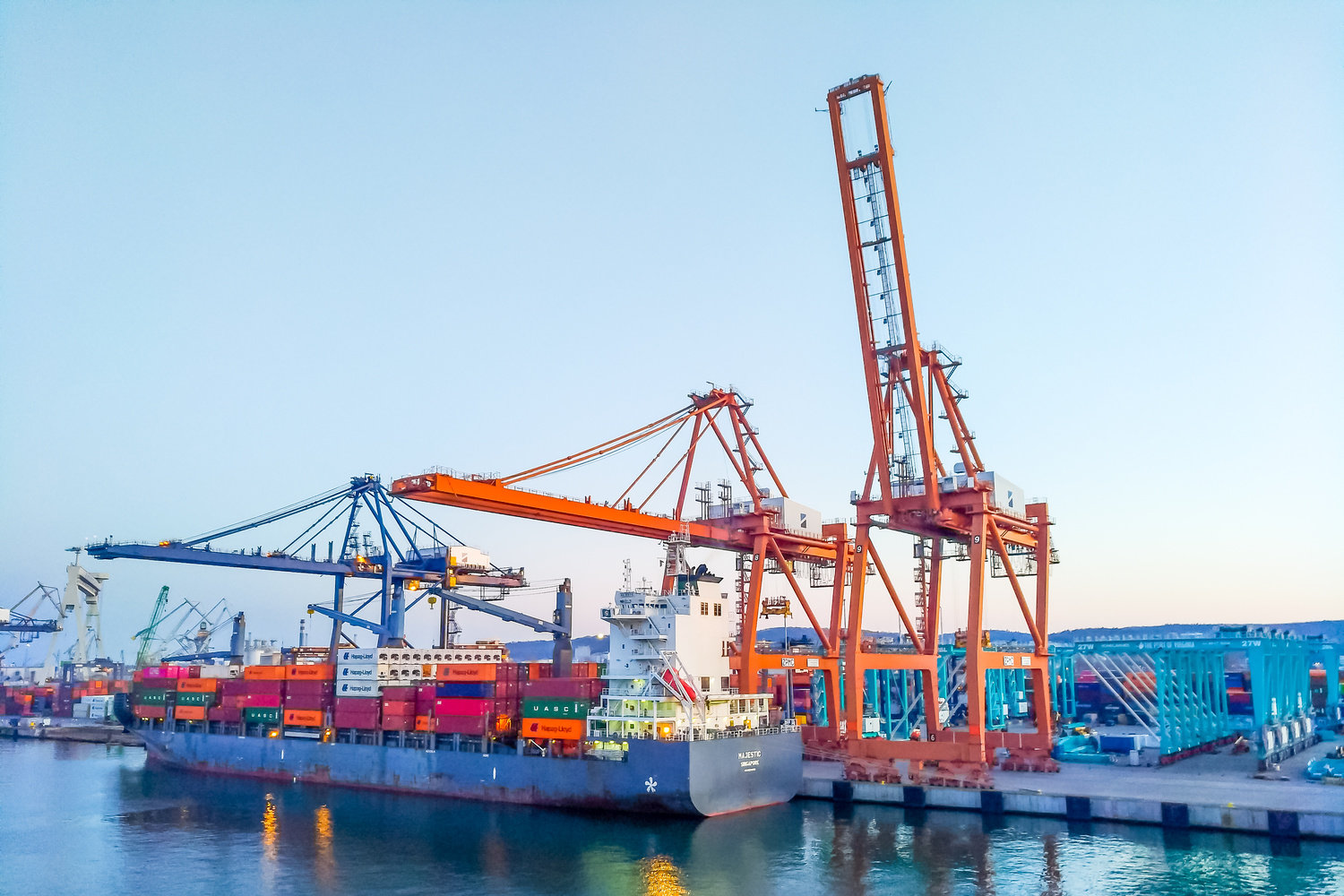
A border veterinarian at a Polish port logs into six independent IT systems to release a single container of frozen goods. In Hamburg and Rotterdam, the same process is handled by one platform. The Polish Association of Fish Processors points out that the Integrated Border Control Point being built at the Port of Gdańsk will only shorten clearance times if a single, coordinated inspection process is established alongside the building.
Six logins, up to four presentations
A border veterinarian approving a shipment of fishery products for the EU market works across six systems that do not exchange data with each other: TRACES NT, GLW-e Web, Porty 24, EZD RP, Navis N4, and e-Klient. On the customs agency side, there are between 7 and 17 systems, depending on the country of origin of the goods.
A food container can be subject to inspection by up to four different services. Each has its own notification system, its own document workflow, and its own calendar, and deadlines are agreed upon with each one separately, by phone or email. That is why the same container is often presented for inspection several times, and subsequent inspections take place one after another rather than in parallel – explains Joanna Porath.
How it looks in Hamburg and Rotterdam
In Hamburg, clearance preparation begins about ten days before the ship arrives. The freight forwarder provides the container number, bill of lading number, and onward transport method to the import platform, and in return, receives data from the carrier’s summary declaration. The customs declaration is filed before the goods arrive, and once the terminal reports unloading, the platform confirms it automatically. The same platform displays the status of veterinary documents and the scheduled inspection time.
Since 2019, Hamburg has been running a pilot program called Border One Stop Shop: a joint notification system and a single container presentation for all services, in one place and at one time. The solution is expected to become permanent from 2027. In Rotterdam, data from terminals, services, and declarants are connected by the Portbase platform, and an inspection portal shows all parties the progress of scanner and physical inspections, from notification to release.
At a Polish port, the same process starts with a PDF file in an email inbox. The customs agency manually re-enters data into the temporary storage declaration, the customs declaration, the veterinary document in the EU system, and the terminal notification.
In Hamburg, a customs agent opens a case where most of the data is already present because the carrier and terminal entered it into the system before the ship arrived. With us, the agent is the first link that digitizes this data, and then does it several more times in subsequent systems. This is not a matter of anyone’s ill will. Each institution simply has its own system and works within it – says Joanna Porath.
Single Window works, but it is voluntary
Poland already has a tool that could organize this workflow. The PKWD Single Window platform has been operating at the Agricultural and Food Quality Inspection since July 2024. However, its use is voluntary, which is why email and paper workflows continue to exist alongside it.
As a result, two parallel tracks have emerged: TRACES for veterinary services and Single Window for other services. This solution contradicts the goal of the EU’s IMSOC system, which is intended to combine information on official controls into a single workflow.
New systems are being added, and old ones are not being phased out, so the customs agency and the inspector have to handle both at once. The Single Window does not need to be built from scratch. All it takes is a decision to make its use mandatory and to connect it with TRACES NT, so that data is entered once and made available to all services – says Joanna Porath.
A 157 million PLN building needs one inspection
At Kontenerowa Street in Gdańsk, next to the Baltic Hub terminal, an Integrated Border Control Point is being built. The agreement for the first stage was signed on May 28, 2025, with a cost of approximately 157 million PLN net, and completion is scheduled for 2030. The National Revenue Administration and all border inspections are to be based there, with a staff of about 235 people per shift.
The Association welcomes this investment as a step in the right direction. However, it points out that physically bringing the services together at one address will only be effective if a common data workflow and a single, coordinated inspection process are created in parallel.
A shared building is a good decision, but the building itself will not shorten clearance times. If five services move to one address with five systems and five calendars, we will just get a shared address for five separate queues. Therefore, a single inspection and a single data workflow must be launched and tested before 2030, so that the facility operates in the target model from day one – emphasizes Joanna Porath.
In recommendations submitted to the Working Group on Border Crossings at the Ministry of Infrastructure, the Association points out four steps:
- joint notification and a single container presentation for all services;
- a mandatory Single Window connected to TRACES NT and the once-only data entry principle;
- a single platform that connects existing port and service systems instead of creating another one, following the model of Portbase in the Netherlands and Dakosy in Germany;
- a pilot of a single coordinated inspection at the Port of Gdańsk before the Integrated Border Control Point is commissioned.
None of these changes require amending EU law. Hamburg and Gdańsk apply the same Regulation 2017/625. What differentiates us is the organization of work and data flow, and these are decisions we can make domestically – concludes Joanna Porath.
We appreciate that the administration has sat down at the table with us, but diagnosis is only the first step. The solutions are known and work in other ports. We expect concrete changes: a decision on a mandatory Single Window, joint notification, and a pilot of a single inspection in Gdańsk. Every month of delay means more days of container downtime and costs borne by Polish importers – says Maciej Kisiel, board member of the Polish Association of Fish Processors.