









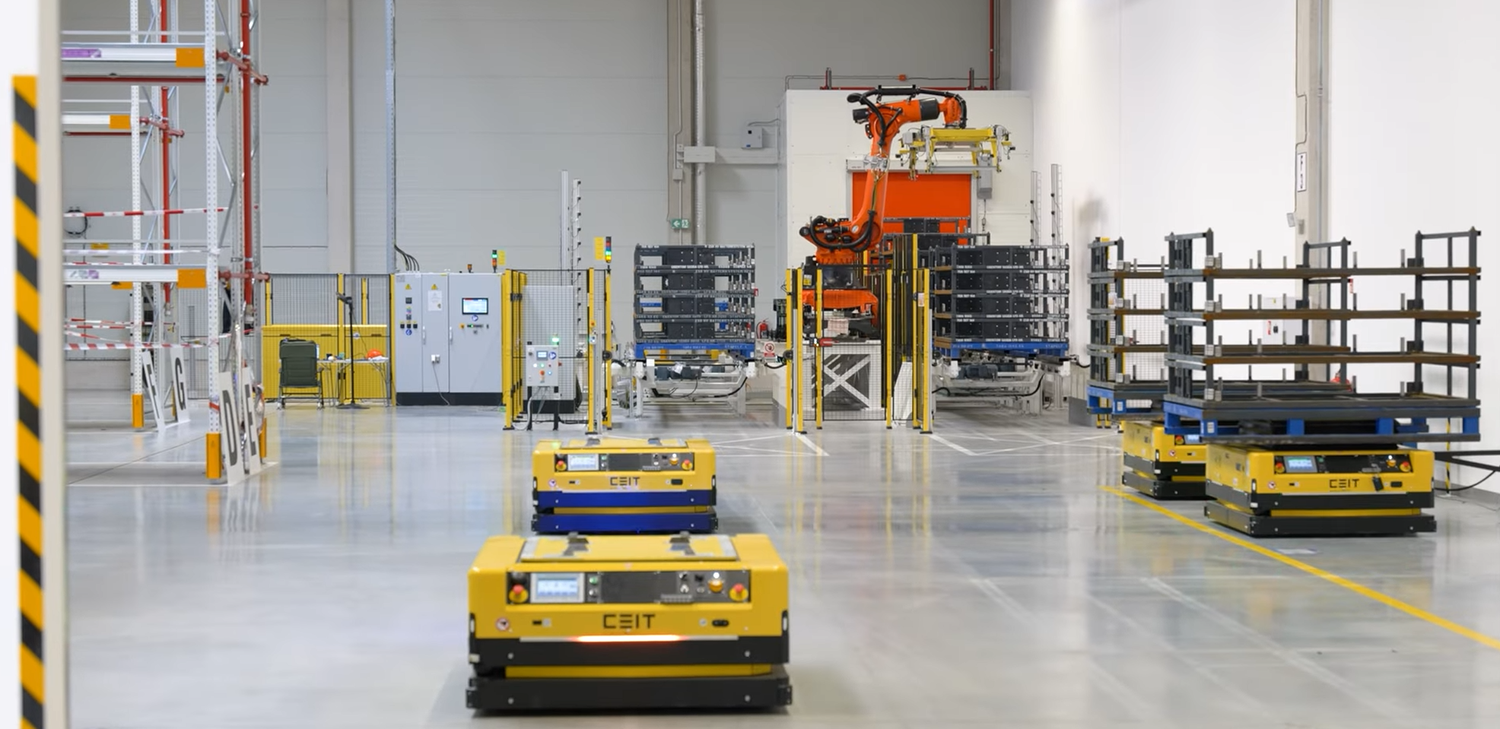
Semi-finished products moving between workstations create a picture that is often missing from the production plan. It is known what needs to be done, but it is harder to determine where a given batch is currently located and where a queue is building up. Combining automatic identification with RTLS location helps bridge this gap, provided that the data is linked to the actual process flow.
The identifier must have meaning in the process
The mere position of a tag on a shop floor map says little about the execution of an order. It is also necessary to determine what this tag represents: a container, a batch of semi-finished products, or equipment used for a specific operation. Such an assignment allows the team to relate location information to a specific task. It is also worth defining who updates the link between the identifier and the material when the container returns to circulation.
In the Twiserion Digital Manager module, monitoring semi-finished products using RTLS is based on tracking tagged objects in the monitored area. Their position can be observed in a digital twin of the shop floor. However, location remains a different type of information than confirmation of an operation’s completion. The presence of a batch at a workstation does not yet prove that processing has been completed or that the material has passed quality control. This difference must be taken into account in the rules for using the data.
A picture of the flow in virtual zones
Points on a map become more useful when they correspond to locations relevant to work organization. In Twiserion Digital Manager, you can map the process using virtual zones and observe how many monitored objects are in each of them. Thanks to this, the manager can see at which workstations or buffers semi-finished products are accumulating.
Interpreting such a picture requires knowledge of the tracking unit. If one identifier represents a container or a batch, the number of identifiers in a zone is not automatically the number of product units. Before using the data to assess load, it is therefore necessary to agree on the labeling method and the meaning of individual zones. Otherwise, a large stock may remain underestimated, and a comparison of two areas of the shop floor will be misleading.
An alert should lead to a decision
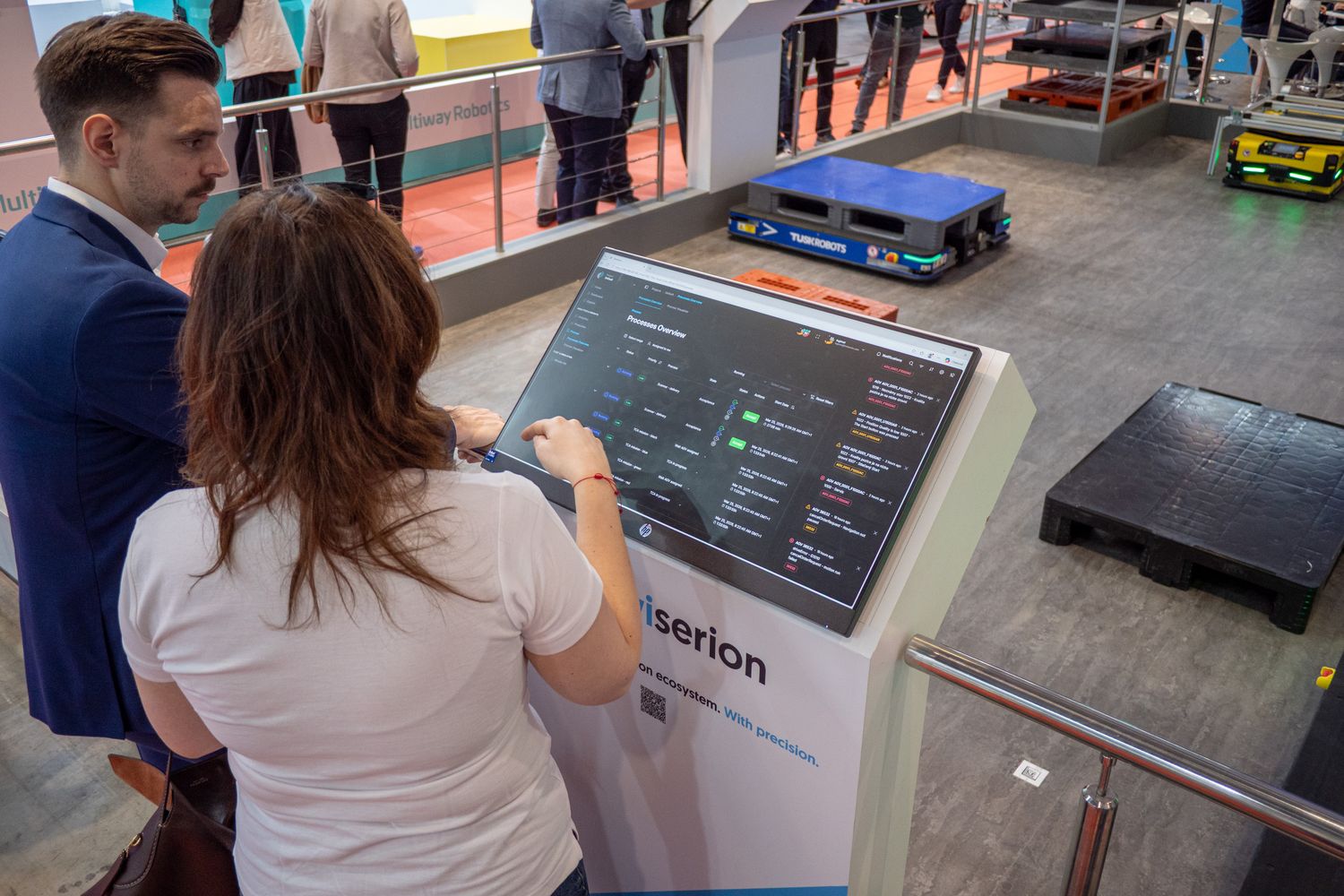
Constantly watching the screen should not be an additional duty for the shift leader. Twiserion can notify the appropriate people when a takt time is exceeded or a zone capacity is reached. Such signals help direct attention to where the flow needs to be checked. Their value, however, depends on whether the team knows how to react and who is responsible for assessing the situation.
For example, more and more tagged containers may accumulate in the buffer before assembly. A notification that a set level has been reached prompts the leader to check the cause. It could be a missing component, a change in order sequence, or limited workstation availability. The alert itself does not determine which answer is correct. It makes it easier to notice the situation, and the operational decision results from combining data with the employees’ knowledge.
When defining the response, it is also worth establishing how to close the case. If several people receive the same signal, it should be clear who is taking action and how the others will find out about its completion. Such organizational rules protect against duplicating interventions and against leaving a notification unanswered.
A pilot starts with one flow
A reasonable starting point is a fragment of the process where searching for batches or uneven buffer filling regularly hinders work. Before launching monitoring, it is worth describing the material flow, identifying tracking units, and establishing rules for tag circulation. Then, you can check whether the zone picture corresponds to the situation on the shop floor and whether notifications reach the right people.
It is good to base the pilot evaluation on specific questions: has the search time for a indicated batch been shortened, does the team notice an overloaded buffer earlier, and can they explain the differences between the plan and the actual flow? The result of such an assessment helps in deciding whether to expand the monitored area.
In the Twiserion platform, Digital Manager functions work with the Fleet Manager module, responsible for internal transport management. This provides the opportunity to develop the solution from the visibility of tagged material to the coordination of its movement. The scope of subsequent stages should be matched to the identified process limitations so that each new function addresses a specific shop floor problem.