









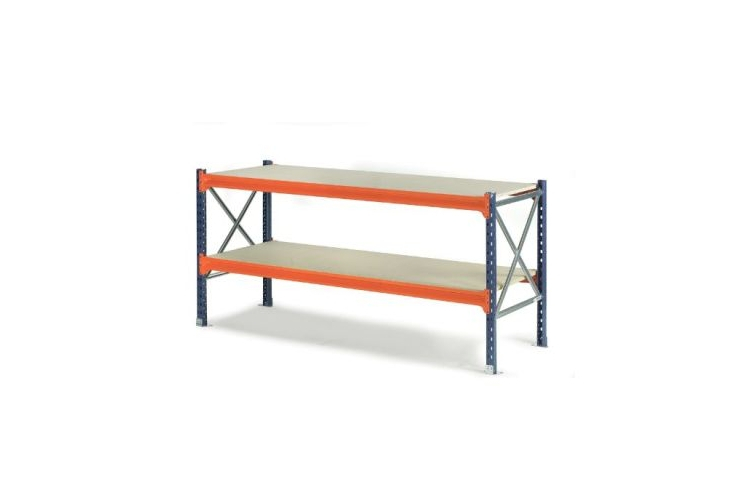
Choosing the right workshop table is crucial for work efficiency and ergonomics in the workshop. Whether you work with hand or power tools, a stable and durable workbench is essential. Such a piece of furniture can either be bought or made yourself. Which of these two solutions is worth choosing and what are their advantages? We will answer these questions in today’s post.
Ready-made workbenches. What advantages are worth paying attention to?
When choosing a ready-made workbench, it is important to consider several factors. First, the dimensions of the table should be matched to the available space in the workshop. Furthermore, the number of drawers and shelves that facilitate the organization of tools and materials is important. It is also worth paying attention to the material from which the table is made, as this affects its strength and durability. Metal tables are recommended for tougher jobs, while those made of plastic or wood will work well for lighter applications.
The advantages of ready-made workshop tables are primarily their durability, stability, and functionality. Many models have certificates confirming their quality and safety of use, which is particularly important in professional workshop environments. When choosing a table, it is also worth considering additional features, such as height adjustment or the possibility of easy movement, which increases their versatility and comfort of use.
Parameters selected by the manufacturer
Another key aspect when choosing a workbench is ergonomics and safety. Ergonomic tables are designed with user comfort in mind, which is especially important during long-term work. Considering the appropriate table height, ease of access to tools, and comfort of use can significantly reduce the risk of accidents and injuries in the workplace. Safety of use also includes the stability of the structure, which prevents the table from tipping over under the weight of tools or materials.
When you decide on a specific model, remember to check if it has the necessary certificates. These documents are confirmation that the workshop table meets specific quality and safety standards, which is particularly important in professional workshop environments and can provide protection in the event of workplace accidents.
A self-built workbench – is it worth it?
The decision to build a workbench yourself can bring many benefits. First, it gives you the opportunity to create a table perfectly matched to your individual needs and the dimensions of the workshop. The second important aspect is the satisfaction and pleasure derived from completing your own project. A self-made workbench can also be more cost-effective than a ready-made product, especially if you have the right skills and tools.
A huge advantage of building a workbench yourself is full control over the materials used and the quality of workmanship. Choosing durable and appropriate products guarantees that the table will serve for a long time, regardless of the intensity of use. Additionally, creating a table yourself allows you to experiment with different techniques and solutions that may be impossible to find in ready-made models. This experience can also be a valuable lesson and development of carpentry skills, which may come in handy in future projects.
Unfortunately, handmade furniture is not confirmed by certificates and attestations proving its proper construction and suitability for work, which can be a problem in the event of an unfortunate accident.
Metal or wooden table – which type to choose?
Adapting the table to the individual needs of the user, the tools used, and the type of work performed is fundamental. In terms of materials, there are two most popular types of these pieces of furniture.
Metal tables
Metal workshop tables are valued for their strength. They are ideal for heavier work, such as metalworking or car repairs. The structures are easy to clean and resistant to damage. Their main advantage is durability, thanks to which they are able to withstand heavy loads and intensive use, which is essential in professional workshops. Metal tops are resistant to mechanical damage, high temperatures, and chemicals, making them ideal for tasks such as cutting, welding, or painting. Ease of maintenance is another plus, which makes them a very practical choice in environments where cleanliness and hygiene are key. Additionally, metal tables often have functional additions, such as drawers or shelves, which help in organizing tools and work materials.
Wooden tables
In turn, wooden workbenches offer a warmer, more natural look and are often more affordable. The wood used in them is durable enough for many applications, but it may require regular maintenance and is susceptible to damage, especially in humid environments. Wooden tables are often chosen by DIY enthusiasts and hobbyists due to their aesthetic appearance and functionality. However, in professional plants and workshops, they may not pass the test in the long run due to specific working conditions.
When choosing between wooden and metal tables for a workshop, the metal one will prove to be a better choice. Its solid top will serve for a long time, enabling comfortable and safe work in all conditions.