









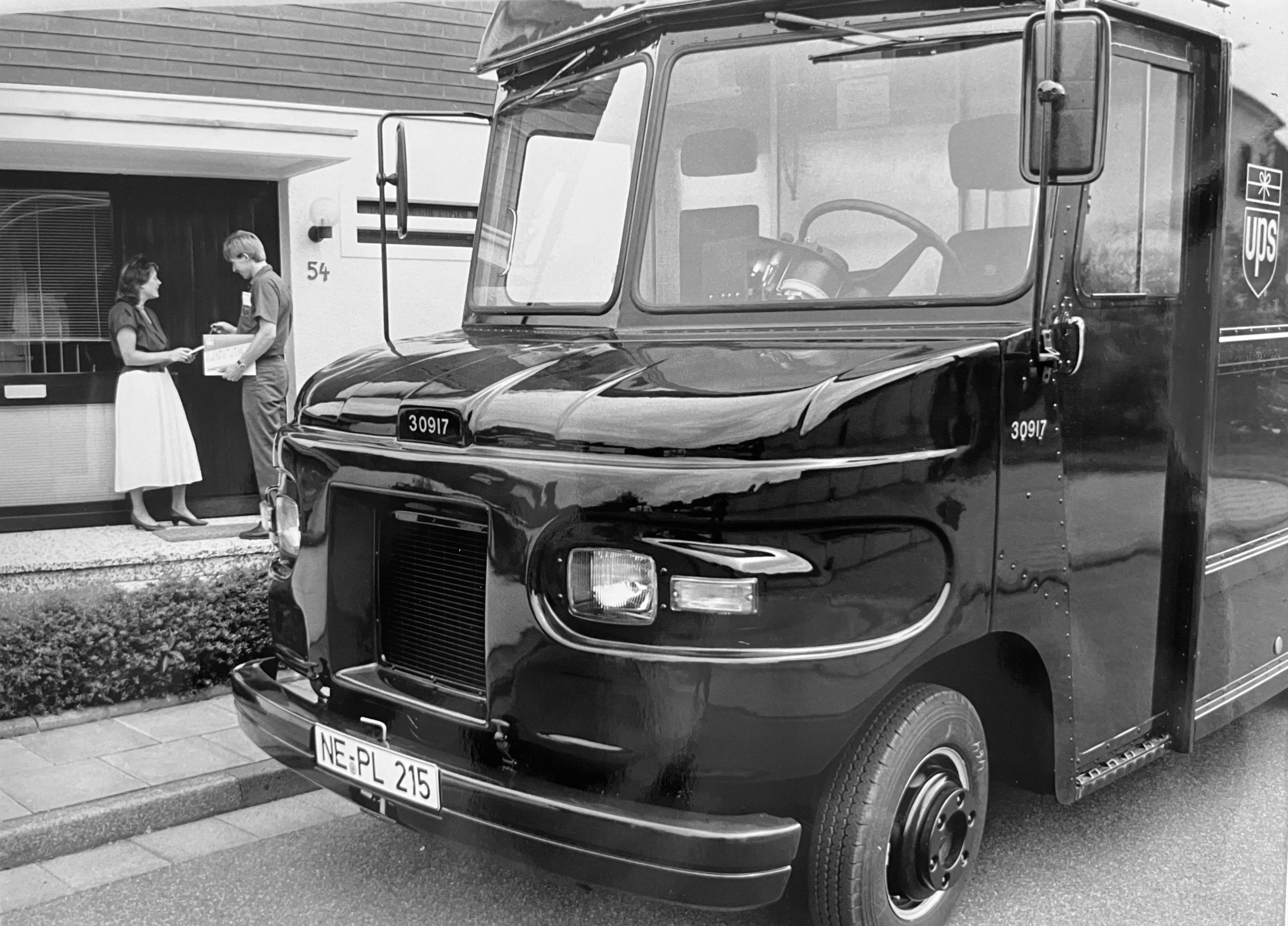
UPS, a global leader in complex, high-quality logistics services, is celebrating 50 years of operations in Europe, which began on August 16, 1976, when the company launched its first parcel delivery services outside of North America in West Germany. On that day, 211 employees served 62 customers and handled 1,150 packages. In Poland, the history of UPS began in 1992 through the partner company PPS Polkurier.
Dynamic development of UPS in Poland
In 2001, UPS acquired PPS Polkurier, four years later the courier company Stolica S.A., and in 2015, Poltraf, thereby strengthening its position in the healthcare sector. In the same year, UPS opened a $20 million sorting center in Stryków and launched a new facility in Mysłowice. In November 2016, UPS expanded its express service range, offering earlier delivery and later pickup times for over 25,000 addresses. At the same time, the company provided even faster and more cost-competitive road transport services in Poland and 27 other European countries.
In 2023, UPS Poland more than doubled the size of its logistics center in Błonie near Warsaw, expanding it to over 17,000 m² and creating a modern logistics facility dedicated to the healthcare sector. For many years, UPS Poland has also supported charities across the country, including the Great Orchestra of Christmas Charity (WOŚP), with which it has been collaborating for 19 years.
For over three decades, we have been developing UPS operations in Poland, consistently investing in infrastructure, new logistics solutions, and specialized services that meet the needs of our customers. The expansion of our network, the development of logistics for the healthcare sector, and subsequent investments show how important a market Poland is for UPS. At the same time, we have been committed to local communities for years, because we want not only to support the growth of Polish companies and connect them with markets around the world, but also to be a responsible partner wherever we operate,” says Marcin Gołębiewski, Managing Director of UPS in Central Europe.
The next 50 years of UPS development
As trade routes, regulations, and supply chains change, UPS stays ahead of customer needs by investing in its integrated global network to provide visibility and greater control over shipments. Key areas of the company’s operations include:
- comprehensive cold chain management,
- an extensive, integrated road transport network in Europe, covering every address on the continent, including Saturday deliveries in eight key markets,
- solutions for shipments requiring controlled temperature, urgent, and high-value goods, intended for sectors such as healthcare, industrial manufacturing, automotive, and advanced technologies.
UPS is already using artificial intelligence, automation, and advanced analytics to make the company’s network faster, more predictable, and resilient to disruptions. AI-based tools provide access to shipment information in real-time, increase the transparency of the logistics process, and improve customer experience, as well as allow for modeling potential disruptions before they impact service delivery. UPS technologies support the company’s employees, whose reliability, focus on customer needs, and knowledge of the local market remain the foundation of the quality of services provided,” adds Marcin Gołębiewski.
Application of AI at UPS
A milestone in the development of UPS services is the widespread use of artificial intelligence, which is already delivering tangible benefits to both the company and its customers. UPS uses AI tools, for example:
- in the shipment monitoring and customer service process – by the end of 2026, AI-based solutions, supported by UPS employees, are expected to be used to handle over 98% of customer inquiries in digital and voice channels, and intelligent AI assistants are already available in over 20 countries,
- AI also ensures better management of the global transport network, thanks to its digital twin covering UPS facilities, air and road transport, and shipment flow. At UPS, data is updated every 10 minutes, allowing for faster responses to changes and potential disruptions,
- By combining AI-based tools, cross-border trade data, and expert knowledge, customers can also count on reliable support in handling international shipments,
- Innovative UPS solutions facilitate the proper application of customs regulations and requirements in various markets and simplify formalities related to international shipping, including by pre-determining total delivery costs, more accurate product classification, and digital trade documentation. The goal is to reduce the number of errors and shorten shipment processing time,
- Thanks to the use of AI, customs clearances are carried out faster and more efficiently – currently, 97% of UPS shipments clear customs on the first day after submission.
Source: UPS