









In the final months of 2026, headlines regarding the European groupage transport market paint a clear picture: shipment volumes are falling, while price and cost pressures are rising. At the same time, industry and trade are increasingly demanding reliable logistics partners. European groupage logistics has therefore reached a turning point. The key question is no longer how to mitigate short-term fluctuations, but how to build a system resilient to change – and logistics services tailored to the market situation. This is analyzed by Alexander Tonn, COO Road Logistics at DACHSER.
Groupage networks rely heavily on fixed costs. Transshipment terminals, IT systems, personnel, and infrastructure must operate regardless of how heavily they are utilized. Therefore, a drop in volumes does not automatically lower costs. On the contrary, it increases relative cost pressure. Declining volumes and a clear drop in profitability since 2023 have prompted many logistics operators to cut operational capacity. The problem is that once structures are reduced, they are difficult to rebuild when demand returns.
The availability of transport capacity is becoming a strategic factor in the groupage market, emphasizes Alexander Tonn, COO Road Logistics at DACHSER.
At the same time, in the long term, prices will have to rise. Only investments in infrastructure, digitalization, and sustainability will maintain the efficiency and resilience of supply chains in Europe and globally.
Groupage logistics. Volatility is becoming the new normal
What does this mean in practice? Variable shipment volumes, seasonal peaks, and sudden shifts in demand require flexible networks and rapid response. The importance of planning ahead is also growing. Those who recognize the direction of volume changes early can manage resources more effectively and avoid bottlenecks. At DACHSER, forecasting tools such as PAnDa One help with this, predicting shipment volumes and facilitating operational planning even amidst high market volatility.
However, it is not just costs that are changing – demand is changing too. Customers increasingly expect integrated solutions that combine LTL transport with value-added services. It is not enough for the transport chain to simply work. Transport, warehousing, and additional services must form one seamless process.
The importance of this integration is growing, especially in an international context, for example in the flow of goods from Asia to Europe. Competitiveness is no longer determined solely by the quality of individual stages – such as moving a container from point A to point B. The functioning of the entire system becomes key, including the seamless integration of Air & Sea Logistics with Road Logistics.
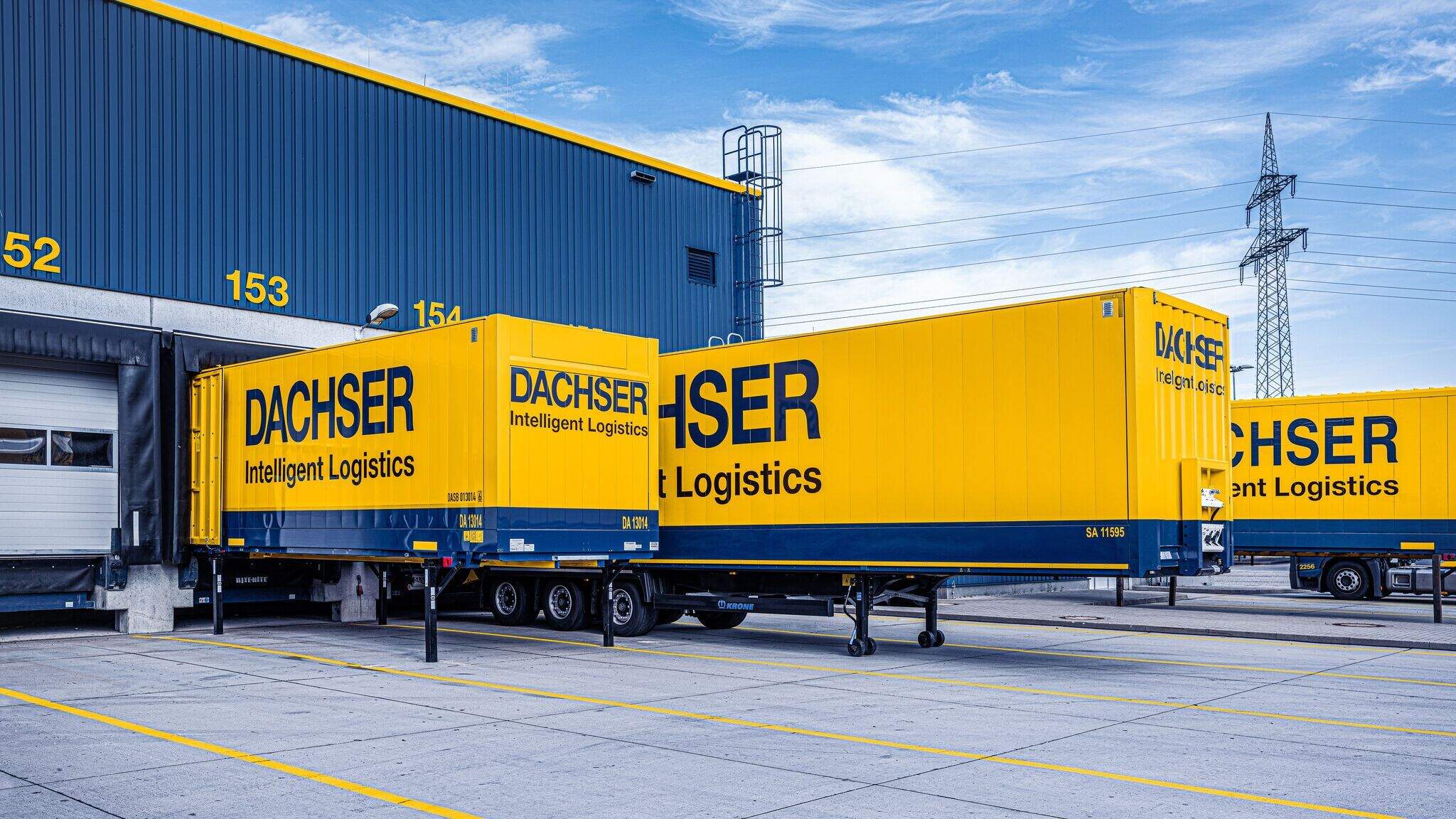
One of the key success factors of the DACHSER network – the largest groupage network in Europe – is its service partners, in particular the independent transport companies that carry out the majority of transport in the European DACHSER road transport network.
European groupage market under pressure
One of the key success factors of the DACHSER network – the largest groupage network in Europe – is its service partners: independent transport companies that carry out the majority of transport in the European DACHSER road transport network.
In times of crisis and economic slowdown, it is small and medium-sized transport companies that feel the pressure most acutely. They see rising fuel prices – as recently following military actions in the Middle East – immediately at the pump. DACHSER, as an international logistics operator, supports its transport partners in this situation with fair and timely settlements.
DACHSER focuses on long-term, stable relationships with partners and jointly facing the challenges of a changing market. This also applies to structural problems – primarily the driver shortage. The scale of the phenomenon is significant. According to the German industry association BGL, there is already a shortage of over 70,000 professional drivers in Germany alone, and 73% of road transport companies report shortages. The problem will grow: 35–40% of drivers are over 55, and drivers under 25 account for only 3–5% of the total. The situation is similar in other European countries. Transport capacity is therefore increasingly becoming a matter of human availability.
DACHSER addressed this problem as one of the first logistics companies – as early as 2014, it launched its own driver training program at the DACHSER Driver and Truck Fleet Services (DTS) company. The goal: to convince young people to join the profession, train them, and retain them in the market for years – perhaps in the future also as independent carriers.
Groupage logistics efficiency as a key to competitiveness
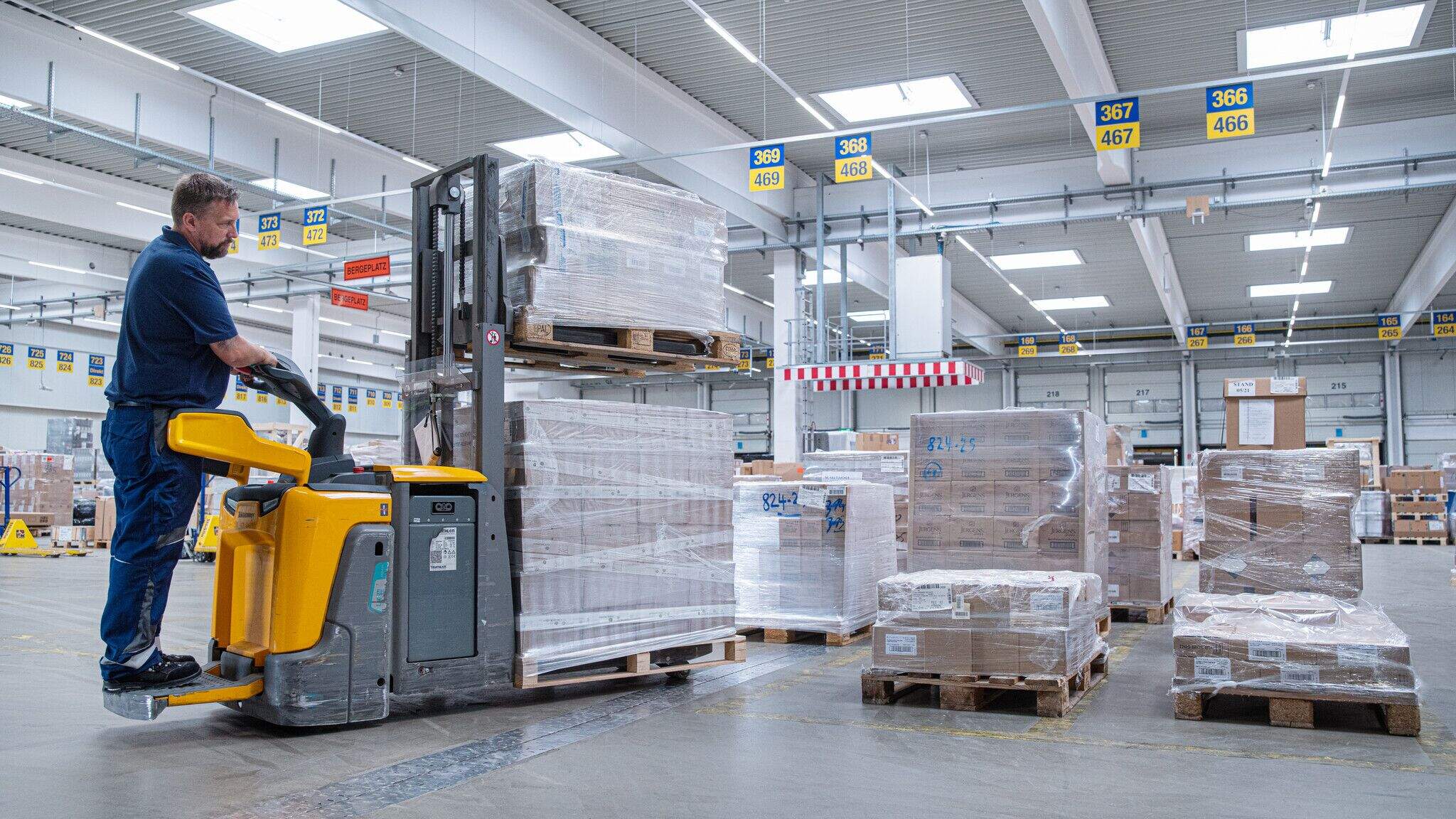
Alongside staff availability, the second major area for improvement is the cost structure. Approximately 85% of LTL logistics costs are generated in core operational processes. The greatest efficiency reserves therefore lie in the “industrialization” of these processes: standardization, maximum utilization of existing resources, and thoughtful implementation of technology.
An example is the award-winning DACHSER @ILO terminal. Shipments are automatically identified, located, measured, and recorded in the transport management system – from entry into the terminal to departure. Employees do not have to manually scan barcodes or additionally label shipments. Processes take less time, and transshipment is more efficient.
Supply chain management in integrated groupage networks also means increasingly higher requirements for climate protection. The framework is set by international climate goals and regulations, but also by the expectations and commitments of customers and logistics operators themselves. In practice, this means reducing empty runs, better utilizing transport capacity, and planning resources in advance. Investments in alternative drives, energy efficiency, and low-emission transport are also needed. All these actions directly affect the cost structure.
The challenges currently facing the European groupage market are also very clearly visible from the perspective of Poland. Our country remains one of the key production and export markets in Europe, which is why the stability and predictability of supply chains are becoming increasingly important for companies. Businesses no longer expect only an attractive transport price – they need partners who will guarantee operational continuity, flexibility, and the ability to react quickly to changes. An efficiently operating groupage network, supported by appropriate processes, digitalization, and the integration of different modes of transport, allows companies to respond more effectively to the expectations of foreign customers.
– comments Rafał Owczarek, Sales Manager European Logistics at DACHSER Poland.
Groupage network quality is becoming a key differentiator
Resources – warehouses, drivers, equipment – and network quality do not appear on their own. They require long-term planning, and the costs of maintaining them must be shared by all participants in the supply chain.
Uniform standards for equipment and infrastructure, transparent IT and settlement systems, close coordination between network partners, and increasing productivity throughout the supply chain are crucial. Quality is not created in individual places – it is the result of all logistics processes acting as a coherent whole.
One thing is certain: only networks that consistently invest in infrastructure and IT will meet the challenges of the groupage logistics market and remain competitive in the long term.
The answer lies in three elements: integration of end-to-end solutions, constant increase in the efficiency of core processes, and strong networks based on cooperation.
Supply chain resilience in groupage logistics is not the result of the actions of individual entities – it is the effect of a well-functioning system and a partnership based on mutual respect.
– concludes Alexander Tonn.
Source: Dachser