









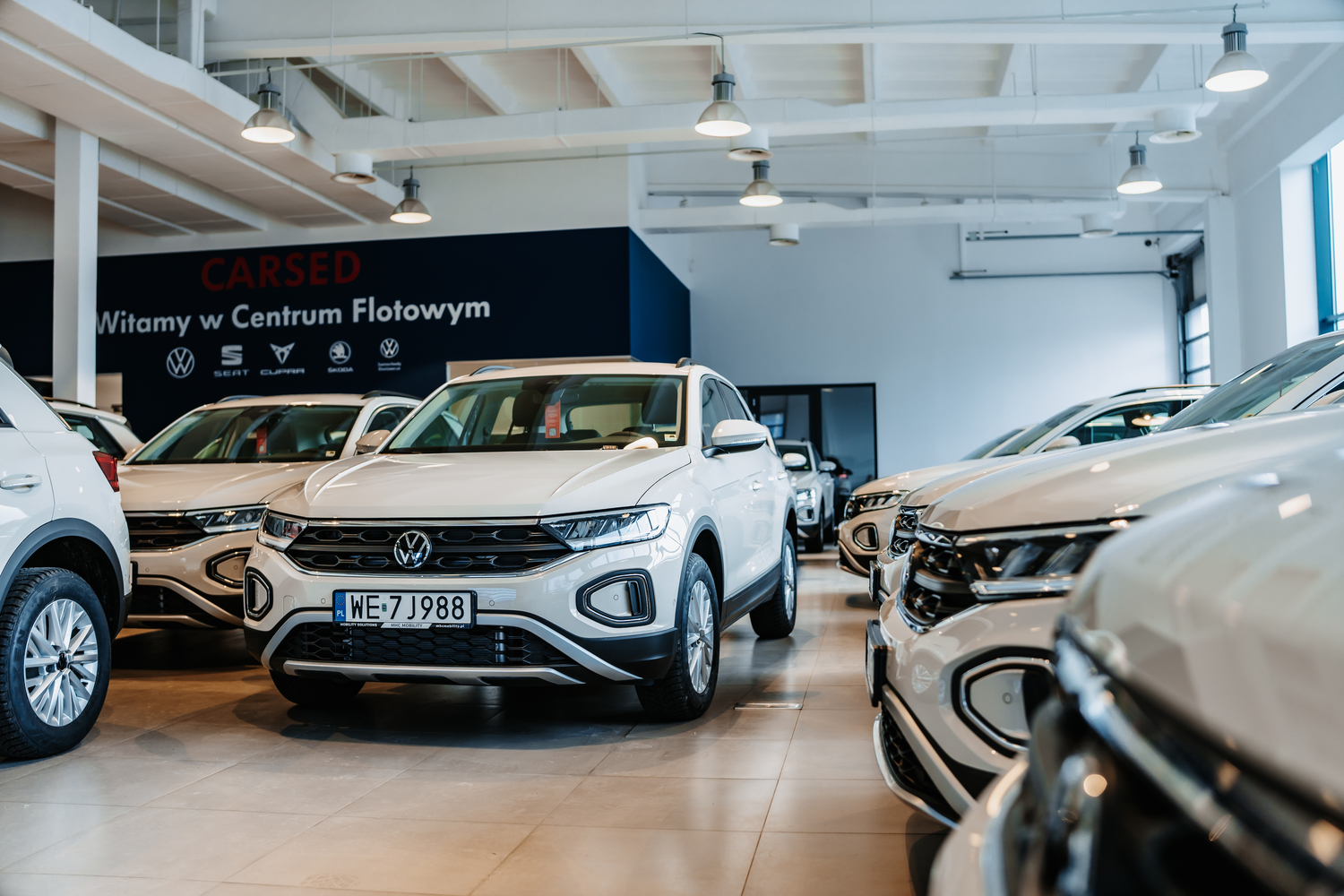
Polish entrepreneurs purchased nearly 70 percent of all new passenger cars sold in 2025, with as much as 22 percent of sales consisting of cars in long-term rental – reports the Polish Vehicle Rental and Leasing Association (PZWLP). Although changes in areas such as corporate income tax (CIT) have affected the rental market, the industry’s growth rate reached 7.2 percent year-on-year. The stable growth in the popularity of long-term rental confirms that entrepreneurs are increasingly choosing this model, wanting to reduce costs and avoid freezing capital in a fleet. What other arguments speak in favor of this mobility service for companies?
Long-term rental allows for comprehensive and convenient fleet management in any company
As emphasized by the PZWLP, long-term rental is a form of financing and using company cars intended for every company – both a sole proprietorship that needs only one car and a corporation managing hundreds of vehicles. Thanks to long-term rental, there is no need to invest your own capital or take out a loan to build a fleet. The entrepreneur pays a fixed monthly installment covering the use of the car and comprehensive services provided by the supplier.
MHC Mobility, one of the leaders in the modern corporate mobility market, enters into long-term rental agreements for a period of 36 to 60 months (24 months for electric car rentals). During this time, the client uses the car, paying a constant, predictable installment every month, while the supplier carries out duties related to vehicle operation, e.g., monitors inspection deadlines, renews insurance coverage, organizes seasonal tire changes, or reports damages and monitors car repairs after a collision. This makes long-term rental relieve entrepreneurs of additional obligations. Moreover, MHC Mobility clients also receive a fuel card, which is settled on a single invoice after the billing period.
A fixed car rental installment for companies promotes better control of financial liquidity
Entrepreneurs considering car rental may compare this service to leasing. How do these solutions differ? The main component of a long-term rental installment is the actual depreciation of the vehicle, i.e., the difference between the original price of the car and its real value on the last day of the contract. In this model, there is no initial fee characteristic of leasing. Moreover, the leasing installment is based on the entire value of the vehicle, which is paid off with the intention of a final buyout. In the case of long-term rental, business clients usually return the car and sign another contract for a new model.
Furthermore, the lessee bears additional costs resulting from the car’s operation, and all obligations lie on their side. If a business owner decides on a long-term rental, they will pay a fixed installment, which will include comprehensive services provided by the supplier in advance. Regardless of whether a car inspection, tire change, or collision repair is needed in a given month, the rental installment will remain the same. As a result, planning company expenses becomes easier, and the budget is not unexpectedly exceeded by a sudden increase in fleet maintenance costs.
Small and medium-sized entrepreneurs are increasingly interested in car rental
As stated by a PZWLP representative during the “Fleet Manager of the Future 2026” conference, which took place on April 21 this year, company fleet management is moving towards Mobility-as-a-Service, i.e., comprehensive services enabling flexible use of cars in business. This model includes long-term rental, where the fulfillment of obligations related to car operation, e.g., renewing insurance or servicing the car, lies with the supplier. In addition, more and more entrepreneurs are moving away from traditional ownership due to the need to invest their own capital or use external financing to purchase a fleet.
It is worth emphasizing that various scenarios for ending a long-term rental agreement allow for adjusting the fleet to the current needs of the enterprise. Depending on your preferences, you can terminate the contract and return the car, buy out the car, or exchange the currently used vehicle for a newer model. Moreover, cooperation with MHC Mobility allows for obtaining attractive prices from dealers and manufacturers who do not offer such favorable rates to business clients developing fleets on their own. Thanks to long-term rental, companies with even a relatively small budget can use the latest car models from higher segments.