









The development of electromobility is one of the most visible directions in the transformation of last-mile logistics. Electric delivery vehicles reduce exhaust emissions, but changing the powertrain alone does not solve the fundamental challenges associated with the growing number of shipments. As the “Last-Mile Innovation Report” shows, electric vehicles do not eliminate traffic jams, failed delivery attempts, or low resource utilization. Results are only achieved by combining electrification with out-of-home (OOH) deliveries, intelligent delivery management, and appropriate consumer behavior.
The scale of the challenge will continue to grow. According to data cited in the report, the global B2C e-commerce market generated approximately 121 billion shipments in 2025, about 10% more than the previous year. In total, approximately 407 billion parcels were delivered worldwide, and by 2028, this number could approach 500 billion. With such volumes, reducing the environmental impact of logistics requires not only fleet replacement but, above all, more efficient use of the entire delivery system.
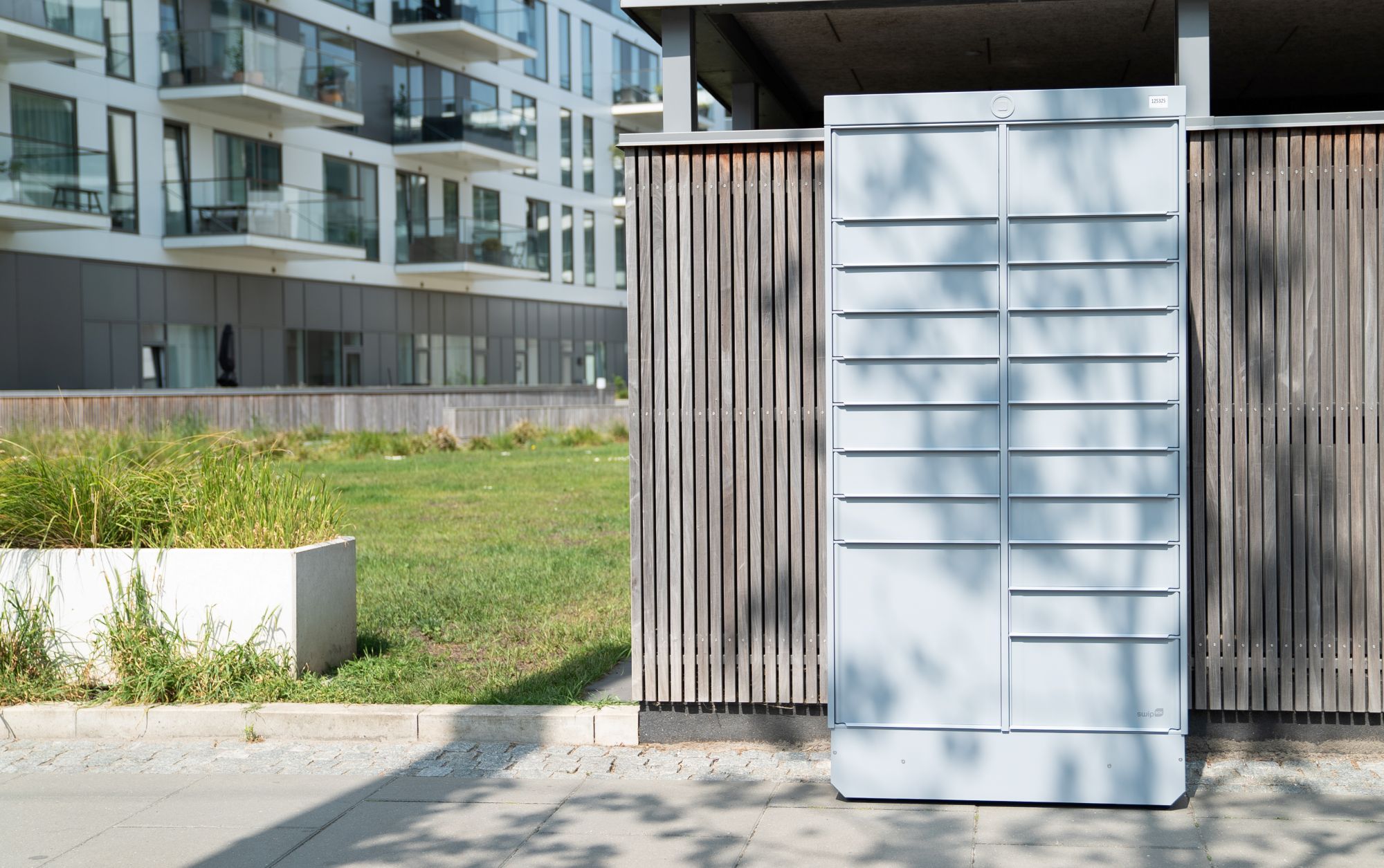
Consolidating shipments in parcel lockers and PUDO points, network optimization, and route planning are all significant factors. Improving efficiency per parcel is one of the primary ways to reduce the environmental impact of deliveries. Load consolidation and route optimization allow for a reduction in kilometers traveled and better fleet utilization, while OOH solutions enable the concentration of many deliveries in one location. Digital tools, such as predictive route planning or dynamic delivery management, also help increase the success rate of the first delivery attempt and reduce unnecessary trips.
However, the environmental effect also depends on how consumers use the infrastructure. A parcel locker located in a place that requires a special car trip may partially negate the benefits achieved at the delivery stage. Therefore, it is important to pay attention to the importance of dense and easily accessible OOH networks, located close enough to the recipient so that the parcel can be picked up on foot, by bike, or during a daily commute.
– says Łukasz Łukasiewicz, Operations Manager at SwipBox Poland.
In this context, the second direction of change is particularly interesting. The most important innovations in logistics are not always the most spectacular ones. Drones, autonomous robots, or futuristic vehicles attract attention, but a large part of the real transformation takes place in IT systems and operational processes. The last year has been a period of quiet but structural change in terms of moving from static planning to continuous route recalculation and from simple parcel scanning to automatic data acquisition and utilization.
The way decisions are made in logistics is therefore changing. Real-time data can be used to predict problems, detect anomalies, manage spare capacity, or react to changes in the network. Artificial intelligence can support route planning while taking operational constraints into account, and systems analyzing locker usage can identify blocked compartments, parcels waiting too long, or unused capacity before they translate into service quality issues. A similar process applies to reverse logistics. Instead of treating it as a separate stage requiring additional resources, return flows can be integrated into existing infrastructure and utilize vehicles already moving within the network. Such an approach can increase the utilization of available resources and reduce additional operational costs.
– summarizes Łukasz Łukasiewicz.
The direction of change is therefore broader than just electromobility or the development of parcel lockers. The most ambitious emission reduction scenarios require simultaneously increasing the share of OOH, faster parcel pickup, greater infrastructure utilization, and a stronger link between operational planning and environmental outcomes. Modern last-mile logistics will not be based on individual technologies, but on the efficient combination of infrastructure, data, automation, and user behaviors and needs into one coherent system.
Source: SwipBox