









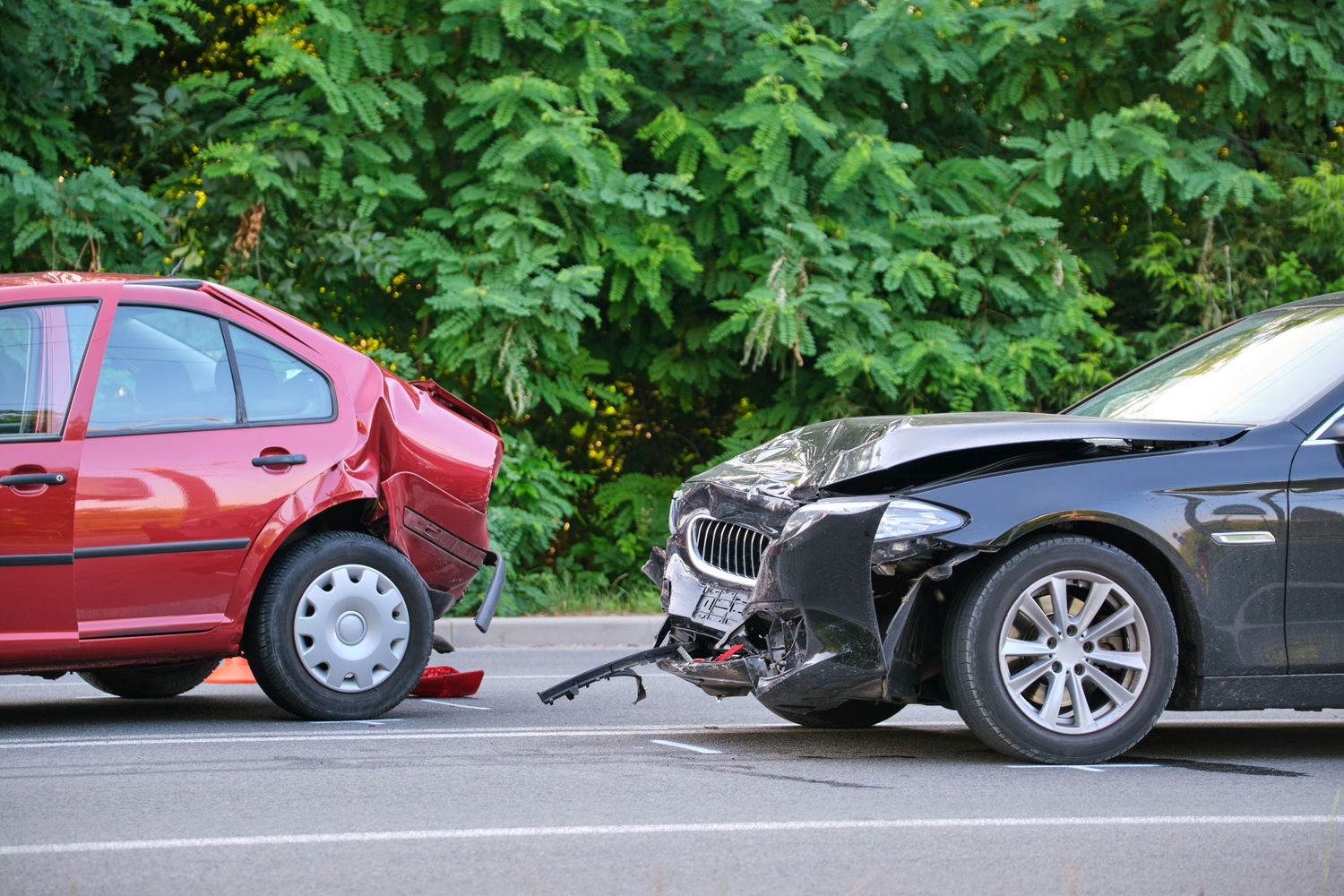
A fender bender on Polish roads with a car bearing foreign license plates complicates formalities from the very first moments after the incident. Although traffic regulations apply to everyone equally, the process of claiming compensation from an insurer from another country is governed by different rules. In such a situation, you need to know which documents to check from the perpetrator and who to contact after the accident.
What to do at the scene of the collision and what data to record from a foreigner?
Immediately after stopping the vehicles, check the health of the participants, and then secure the scene of the collision with a warning triangle. Next, jointly draw up a road incident statement, taking care to accurately transcribe the perpetrator’s personal data and the number of their foreign policy. Be sure to use your smartphone to take clear photographs of the damage to both cars, the perpetrator’s license plate, and the insurance certificate so that no detail leaves room for doubt.
If a language barrier hinders communication, there are doubts about fault, or the other driver refuses to show documents, call a police patrol immediately. Since unforeseen situations on the road can happen to anyone, it is worth taking care of the appropriate scope of your own motor protection in advance (e.g., with an assistance or comprehensive insurance package) – to calculate the premium for your car, check the easy-to-use calculator on HDI.pl.
When is the license plate alone enough, and when is a Green Card needed?
The type of documents that a foreign driver must present depends directly on the country of registration of their vehicle. Drivers of cars registered in European Union countries, the European Economic Area, Switzerland, or the United Kingdom (covered by the so-called Multilateral Agreement) do not need to carry a Green Card – upon entering Poland, a valid license plate from the country of origin is formal confirmation of coverage. However, at the scene of the collision, be sure to ask the perpetrator to show their national third-party liability (OC) insurance confirmation (in paper form or on their phone) and write down the document number and the name of the foreign insurer. You will encounter a different situation if the perpetrator is driving a car from a country not belonging to this agreement, for example, Moldova, Albania, Turkey, or Ukraine. In such circumstances, the other driver must show a physical international certificate, i.e., a Green Card, or border insurance purchased at the border crossing. The obligation to have a valid policy applies to every owner of a registered vehicle, so check the details of third-party liability insurance (OC) on HDI.pl.
How to report a claim through a Polish correspondent or the PBUK?
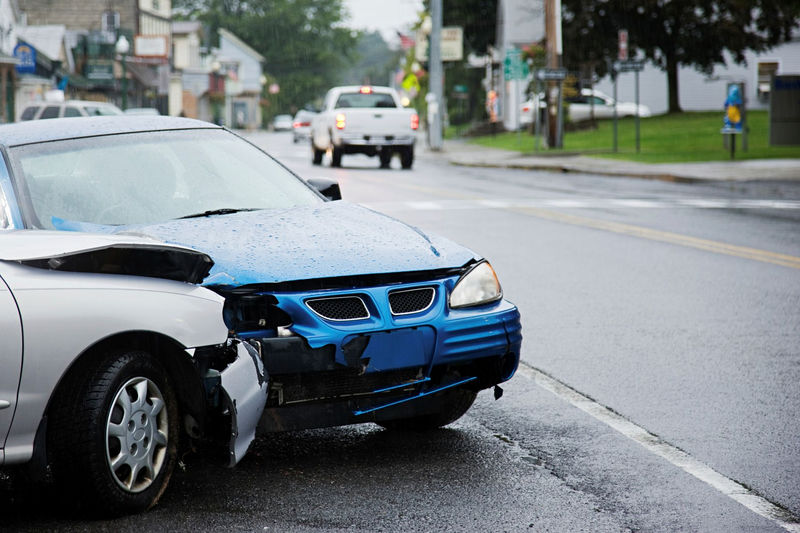
Claiming compensation after a collision with a foreign car does not force you to send letters abroad or use a foreign language. Most foreign insurers have a designated representative in Poland, which is a claims correspondent. You can find the name of the specific company performing this function for free on the official website maintained by the Polish Motor Insurers’ Bureau (PBUK). The PBUK is an independent institution established by law, bringing together national insurance companies, which acts as the National Bureau and Information Center. If a foreign insurer has not appointed a correspondent in Poland (or it could not be determined using the search engine), you report the claim directly to one of the authorized agents cooperating with the PBUK, who will carry out the liquidation process on behalf of the Bureau.
Why is it worth considering liquidation from your own comprehensive insurance (AC) and what is recourse?
Clarifying the circumstances and waiting for confirmation of the validity of a policy from another country can be time-consuming. If you want to start repairs quickly and pick up your car from the workshop, you can use your own comprehensive insurance (AC) policy. Detailed rules for voluntary vehicle protection against the effects of collisions or damage can be found at https://hdi.pl/autocasco/. In such a variant, your insurer will cover the repair costs and then file a recourse claim against the perpetrator’s foreign insurer or the PBUK. After successfully recovering the paid amounts from the entity responsible for the damage, your no-claims bonuses may be restored to your account.