









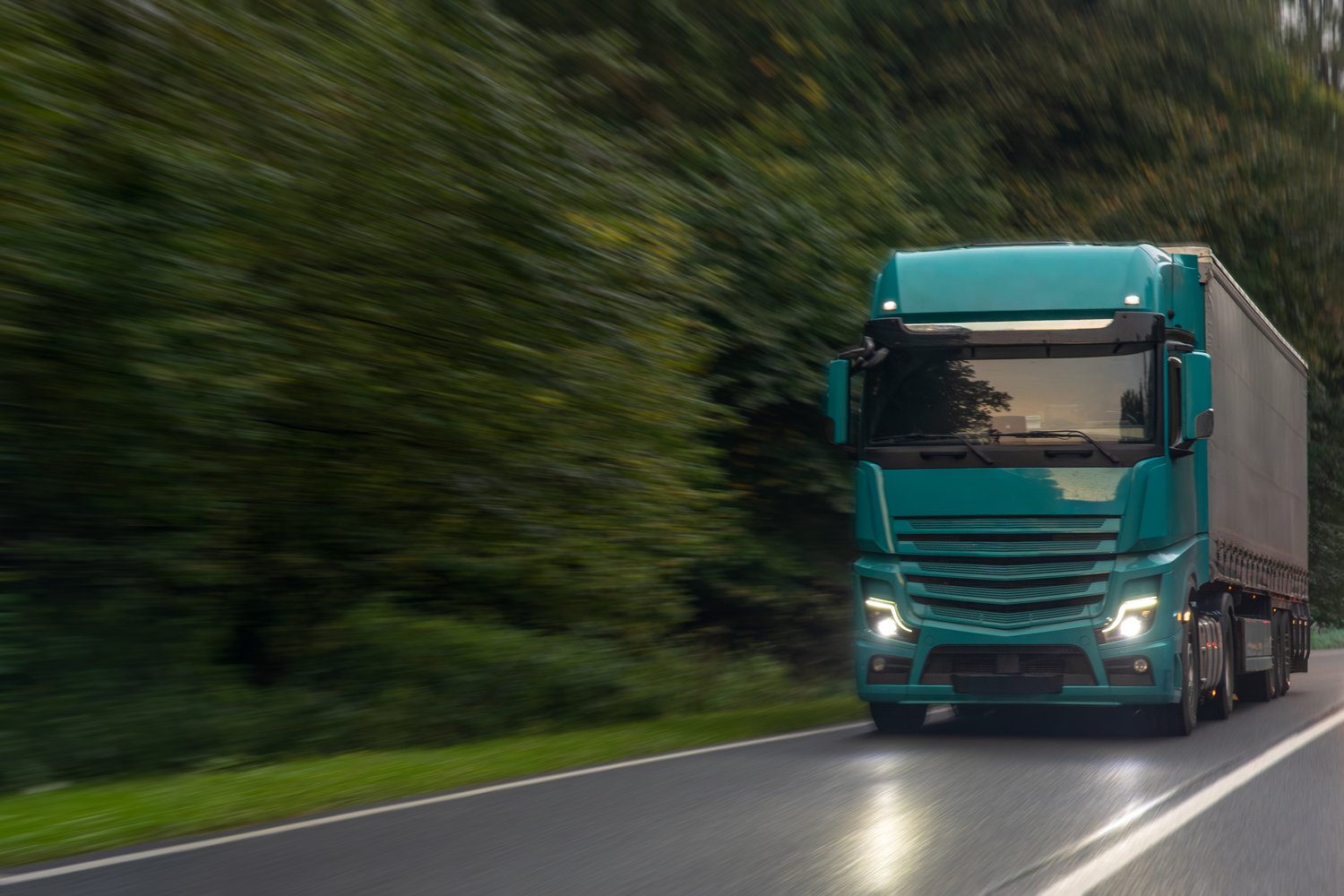
Geographical proximity and shorter delivery times compared to Asian countries make the Western Balkans region, led by Serbia, attract increasing attention from Polish importers. To safely develop business in this direction, one must first understand the specifics of the region’s economy in order to choose the right logistics model.
What is most frequently imported to Poland from the Western Balkans?
Although consumers associate the Balkans primarily with agriculture and popular fruits such as Serbian raspberries or blackberries, the structure of Polish imports is based on completely different segments of the economy.
Serbia, as Poland’s main trading partner in the region, constitutes a powerful industrial base and supplies primarily automotive parts, as well as mechanical and electrical equipment. Polish entrepreneurs are also keen to import industrial chemicals and textiles from there.
All this makes the Western Balkans such an attractive import market.
LTL shipments, or cost optimization.
One might think that as part of imports from the Western Balkans, one needs to order large quantities of goods in the form of full truckload shipments to make it profitable. The truth is, however, that at an early stage of cooperation with partners from Serbia or Bosnia, many entrepreneurs opt for LTL (less-than-truckload) transport. Thanks to this, they can import one carton or one pallet, depending on their needs.
Despite higher unit costs and the necessity of going through customs procedures for countries outside the European Union, such transport allows for:
- Testing the quality of goods
- No need for large batches of goods in warehouses
- Quick reaction in case of changing trends on the Polish market
All this allows for optimizing the startup costs of imports and increasing knowledge of the Balkan market.
Formalities and documentation: what you need to know before imports begin?
Before goods physically set off on their journey from Serbia or other countries in the region to Poland, a Polish entrepreneur must remember the specifics of trading with markets outside the European Union. This import involves mandatory customs clearance at the external border of the Community. Correct commercial and transport documentation is of great importance in this process, including ensuring that the foreign supplier provides a EUR.1 movement certificate (or a declaration on the invoice if possible), which serves as a key tool for the importer to optimize costs and legally use preferential, reduced customs rates under existing international agreements.
An experienced logistics partner as comprehensive support in imports from the Balkans
To safely carry out imports from Serbia, Albania, Macedonia, Kosovo, Montenegro, or Bosnia and Herzegovina, the support of an experienced freight forwarder is needed. A specialist in the Balkan market will handle procedures outside the European Union and the organization of flexible LTL deliveries.
3CARGO has been specializing in serving southern markets for years, providing Polish entrepreneurs with full support and advice at every stage of trade exchange.
Contact a 3CARGO specialist and get more information.