









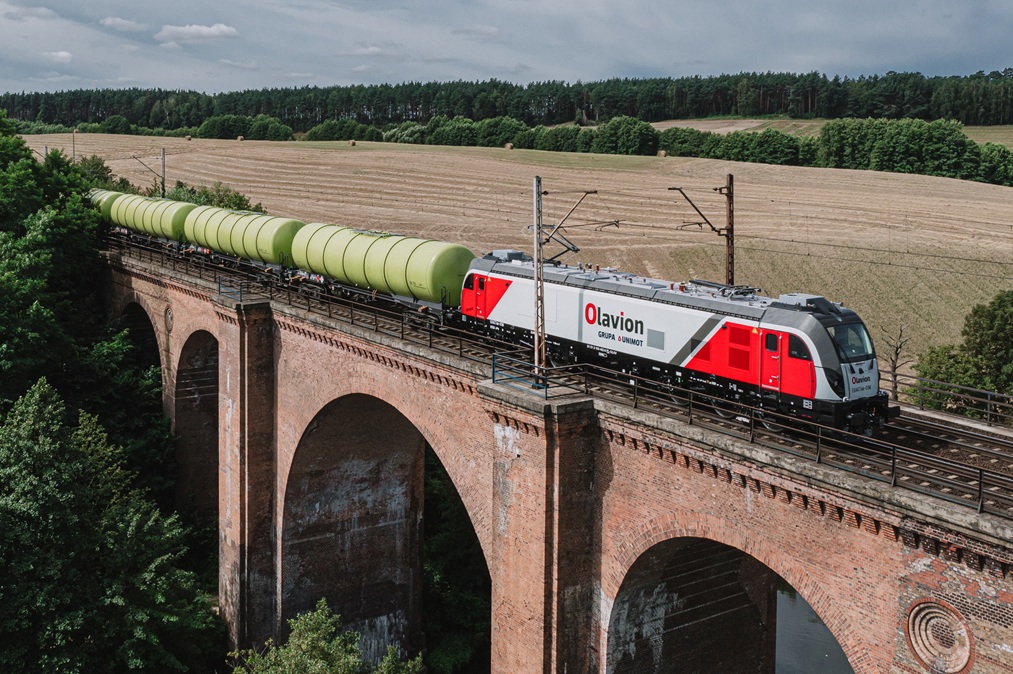
Every day, fuels must travel from a terminal or warehouse to the place where they are used. Fuel logistics in 2026 is based not only on the transport itself but also on precise planning, delivery monitoring, and the safety of the entire process. For the recipient, the most important thing is that the fuel is available when needed – at a gas station, in a company, on a farm, or at a production plant. Behind this availability are carriers, terminals, fuel depots, and operators who ensure punctuality and efficient transport.
Fuel logistics in 2026 – what does it look like?
Modern fuel logistics begins with an analysis of demand, product availability, terminal capacity, and transport options. Then, a route plan is created, along with loading and unloading windows. In 2026, it is not just the journey itself that counts, but also the ability to adjust the plan if rail network congestion or depot work schedules change.
Rail transport of fuel has long remained one of the most effective ways to transport large batches of gasoline, diesel, biocomponents, and other products used in the economy. Rail also enables better planning – travel schedules are set in advance, and routes are subject to constant monitoring. This allows operators to react faster to changes in demand and maintain stable stock levels at fuel depots. For the individual customer, the effect is concrete – more stable supply, lower risk of interruptions, and greater predictability. As you can see, rail fuel transport affects the daily functioning of companies and local communities.
OLAVION – a partner in rail fuel transport
Efficient rail fuel transport is primarily driven by experience and a licensed carrier. OLAVION has been operating in the rail transport market since 2018, and since March 2023, it has been part of the UNIMOT Capital Group – a leader in the fuel, energy, and logistics industry in Poland. Consequently, rail fuel transport carried out by OLAVION combines the specialized competencies of a carrier with the resources and experience of one of the largest energy groups on the market.
As a licensed rail carrier, OLAVION is responsible for the comprehensive organization of transport – from route planning, through the coordination of loading and unloading, to monitoring the journey and maintaining compliance with safety procedures. Such comprehensiveness has practical significance. A client using rail fuel transport gains a single partner responsible for the entire process, instead of coordinating several subcontractors.
Transport of energy raw materials – what does it look like in practice?
The transport of energy raw materials includes collecting the product from a refinery, terminal, or warehouse, transporting it to a transshipment point, and then delivering it to the recipient. Each stage requires documentation, technical inspection, and safety supervision. In the case of liquid fuels, the tightness of the installation, the condition of the railcars, the organization of loading, and communication between participants in the process are important. Well-planned transport of energy raw materials helps reduce delays and maintain appropriate stock levels. This is important in winter, during periods of increased travel, and when the market reacts to price fluctuations or changes in product availability. Efficient logistics reduces the risk of delays and allows for the continuity of supply even during increased demand or market changes.
Data, automation, and energy supply security
In 2026, data supports almost every stage of logistics. Monitoring systems allow for tracking the location of transport, predicting delays, and better utilizing rolling stock. Automation facilitates planning but does not replace the experience of operators. It is people who still assess risks, react to changes, and ensure the security of energy supplies. The security of energy supplies depends on the availability of raw materials, infrastructure, stocks, and the quality of transport. Modern fuel logistics in 2026 shows the direction of market development: more data, better planning, and greater supply resilience. The foundation of daily stability remains well-organized liquid fuel transport.