Changing your country of residence or relocating a business is a complex operation that requires much more than just providing a vehicle and transporting equipment. It is necessary to coordinate the team’s work, the use of cargo space, and the long-distance transit. The smooth execution of the entire project depends primarily on precise planning and proper information flow.
Estimating the volume of transported items
Preparations should begin by determining the type and quantity of property. It is worth considering the number of boxes, furniture dimensions, electronics and appliances, items requiring disassembly, and particularly delicate objects. An inventory list supplemented with photos can be helpful.
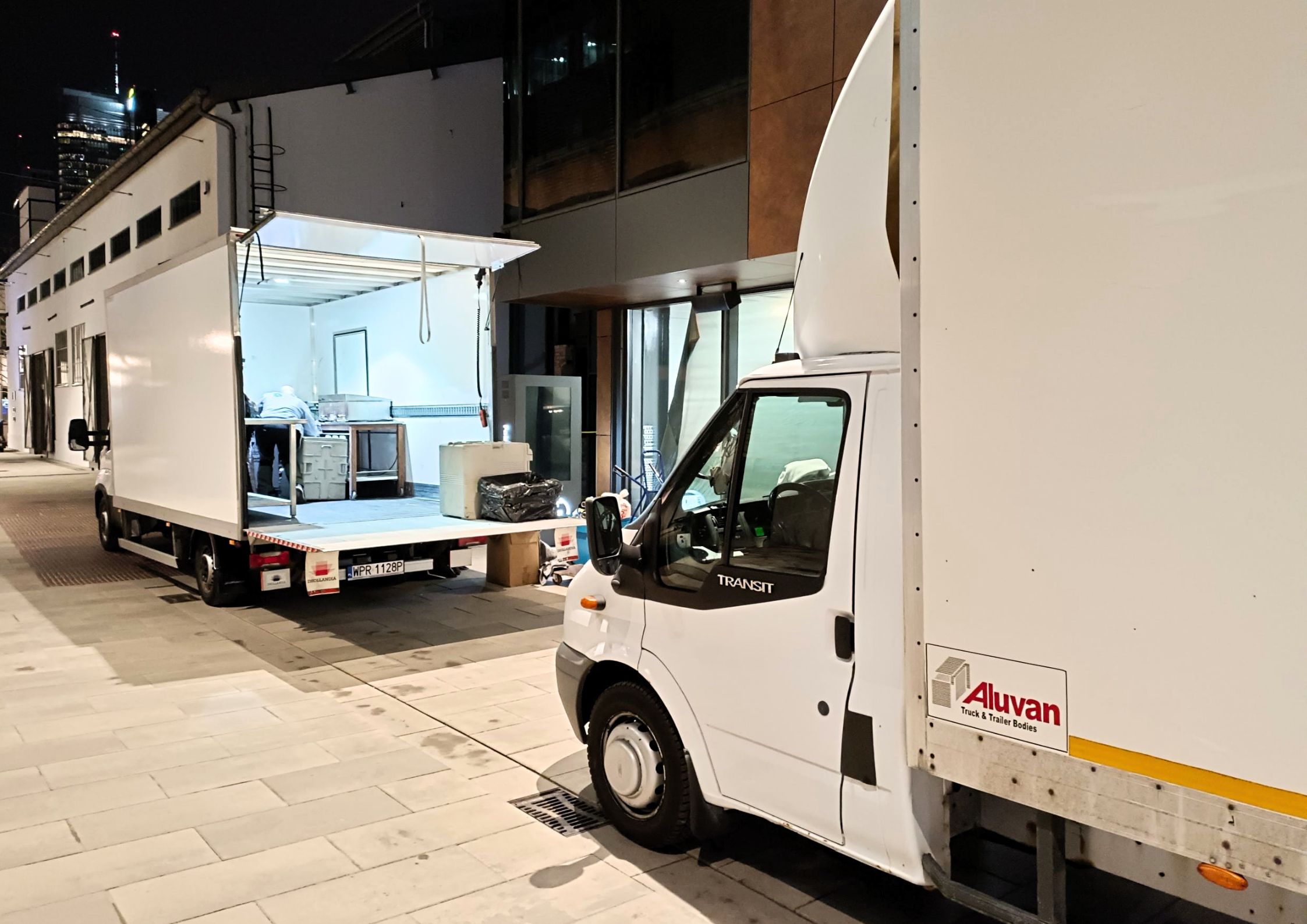
Based on this, the company is able to estimate the cargo volume, plan the number of employees, and select the appropriate vehicle. Too little space may mean the need for an additional trip, which generates significant costs on an international route. A vehicle that is too large is not always the best solution either – it is harder to reach certain buildings with it, and the empty space must be properly secured.
Vehicle and protection tailored to the cargo
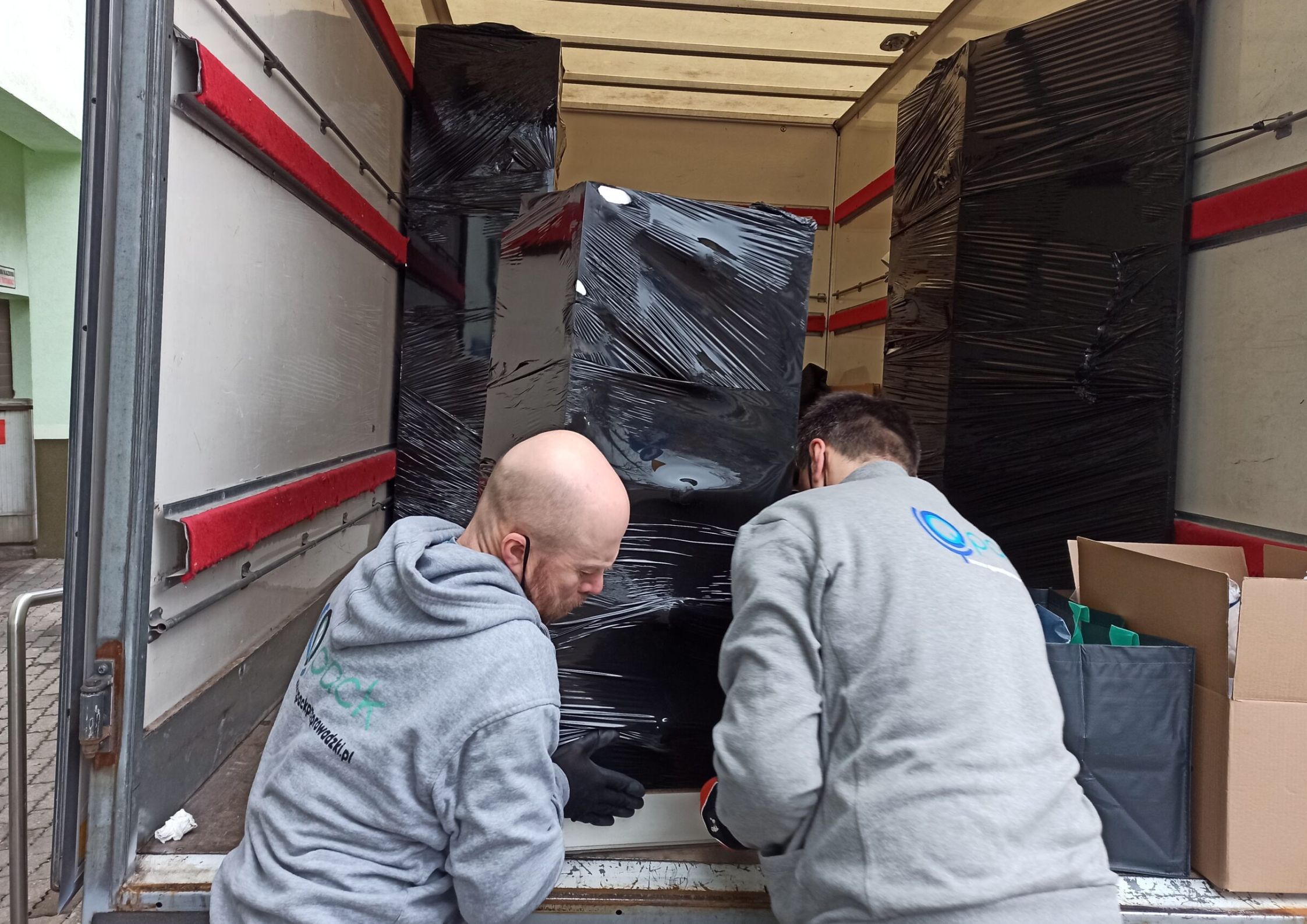
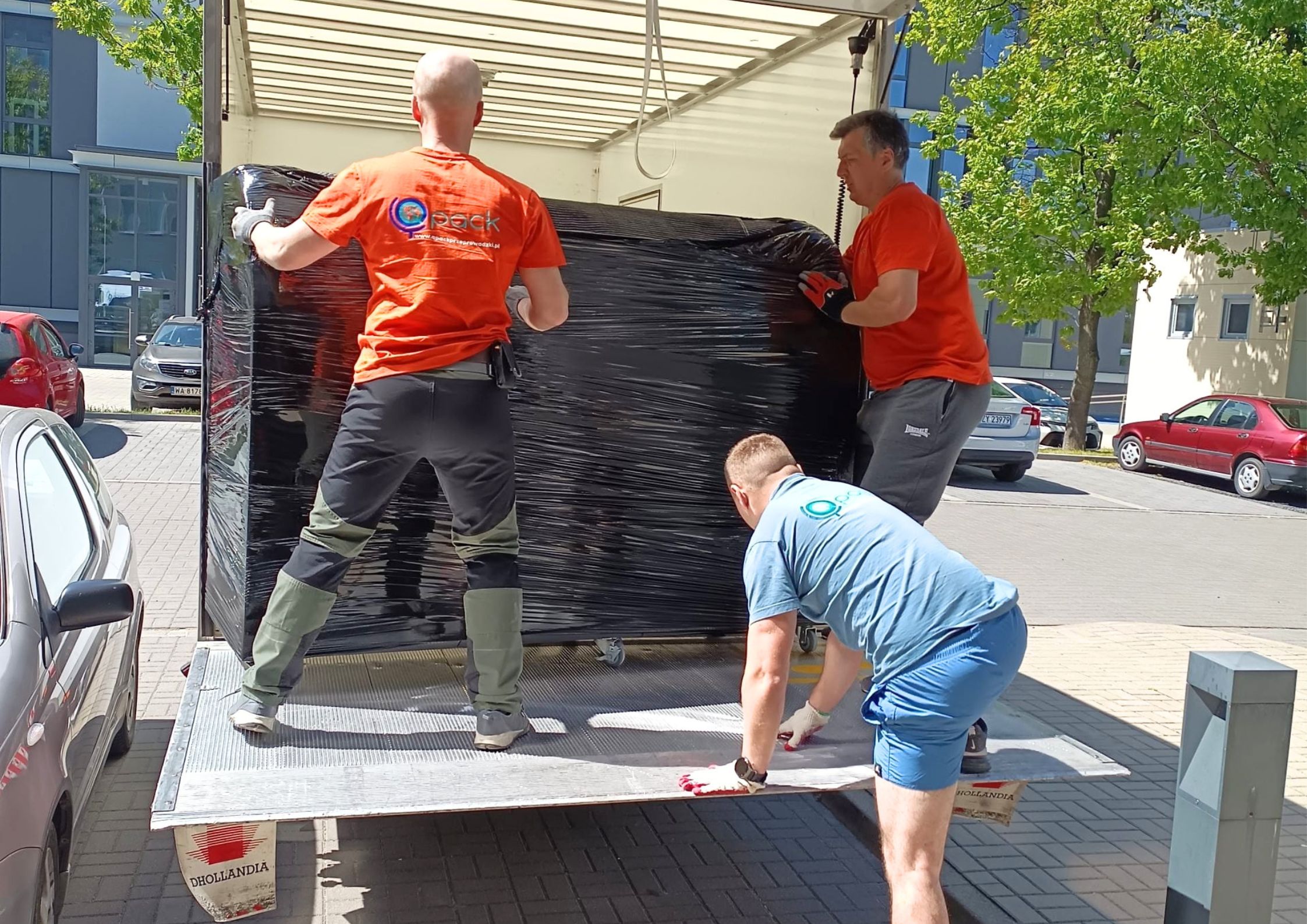
In moving logistics, there is no single universal packing method. Boxes work well for clothes, books, and small items, while furniture, mirrors, paintings, or electronics require additional protection. Transport blankets, foils, corner guards, spacers, and securing straps are used, among other things.
Professionally organized international moves can include packing, loading, transport, unloading, as well as disassembly and reassembly of furniture. The scope of the service must be determined in advance, as it affects the implementation time, the number of people needed, and the crew’s equipment. Clear labeling of packages is also important, which facilitates the subsequent placement of items.
Loading order matters
The placement of property in the vehicle should follow a prepared plan. Heavy and stable elements must be arranged so that they do not shift during braking or cornering. Lighter boxes and delicate items, on the other hand, must not be exposed to crushing. Even weight distribution and the use of securing points in the vehicle are also important.
The loading order should be linked to the unloading plan. Items needed immediately upon arrival, such as assembly tools or basic equipment, should be easily accessible. This limits the need to move the remaining cargo at the destination address.

Route and travel time planning
Determining the route should not be limited solely to choosing the shortest path. It is necessary to consider traffic intensity, tolls, restrictions for delivery vehicles, and available parking spaces. The deadline for completion and any formalities related to international transport are also significant.
The plan should include a time buffer for traffic jams, detours, and other unexpected events. Prior recognition of travel conditions makes it easier to determine a realistic arrival time, and thus organize the work of the team waiting at the unloading site.
Coordination of work at both addresses
Before starting the implementation, conditions at the pickup and delivery locations should be checked. The floor, elevator availability, width of stairwells, and the possibility of parking close to the entrance all count. The lack of an elevator, a narrow corridor, or difficult access can prolong the work and increase the need for personnel.
Equally important is the readiness of the recipient at the destination address. The crew should know the property layout plan, and the people responsible for handing over and receiving must remain in contact. A coordinator overseeing all stages helps reduce the risk of misunderstandings.
Good preparation improves transport
An international move combines transport planning, cargo space management, and human work organization. Accurate inventory, an appropriate vehicle, proper protection, thoughtful loading, and synchronization of activities at two addresses form a single process. Careful planning helps avoid delays, additional trips, and damage to the transported property.