









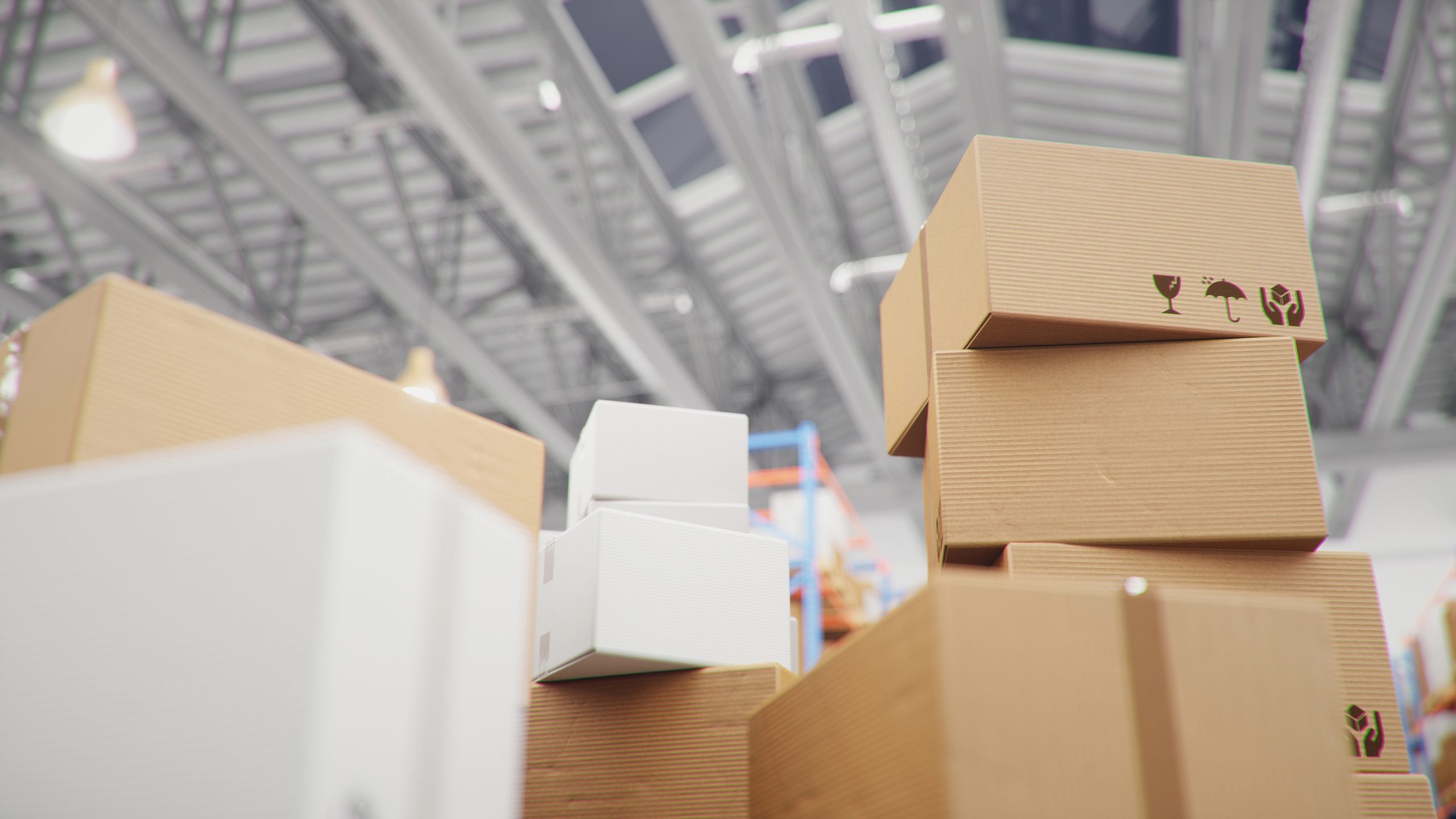
On September 6, 2026, we are celebrating World Packaging Day for the first time, established by the World Packaging Organisation. It is a symbolic date, but it falls at a very specific moment for the European market. We are just entering the period of applying most of the requirements resulting from the PPWR regulation, which in the coming years will significantly affect the way packaging is designed, produced, used, and managed. This is a good moment to talk about packaging without simplifications.
Packaging primarily protects
In public debate, packaging is increasingly presented primarily as a source of waste. However, this way of thinking overlooks its basic function. Packaging is meant to protect the product, extend its shelf life, reduce food waste, ensure consumer safety, and enable efficient transport. Packaging allows for the reduction of a much greater environmental impact associated with the damage or destruction of a product than the packaging itself.
Therefore, the assessment of its impact cannot end with the question of how much material was used. It is necessary to analyze whether the optimal material was chosen, how long the packaging performs its function, and what happens to it after use.
It is this life-cycle perspective that should become the foundation of modern packaging policy.
PPWR accelerates change
New European regulations are an important element of market transformation. Their goal is to reduce the amount of packaging waste, increase recycling capabilities, and develop a circular economy.
But the mere introduction of regulations will not create a circular economy.
Investments in new technologies, the development of collection and sorting infrastructure, access to high-quality recyclates, and the creation of a stable market for recycled materials are needed.
This is particularly important from the perspective of the European plastics industry. Companies must simultaneously meet increasingly demanding regulations, invest in innovation, and maintain competitiveness against producers from outside the European Union.
If the right investment conditions are not in place, some production may be moved outside of Europe. Then we will be exporting not only production but also emissions and environmental problems.
There is no single ideal material
It is also worth moving away from the belief that the future of packaging can be built by identifying one “best” material. Paper, glass, metal, and plastics have different properties, applications, and environmental profiles. The choice should be determined by the function of the packaging, product safety, recyclability, available infrastructure, and a full life-cycle analysis.
In the case of plastics, the significantly smaller amount of material needed to fulfill the required functions is of particular importance, which often translates into a much lower environmental footprint and life-cycle assessment compared to alternative materials. Additionally, the possibility of reusing the material can minimize its impact on the environment. This means the necessity of designing packaging with recycling in mind, but also creating a system that actually allows this material to be recovered and reused.
Therefore, it is not enough to design “recyclable” packaging. It is also necessary to ensure its collection, proper sorting, recycling, and a market for the resulting recyclate.
The circular economy begins before the bin
This is one of the most important conclusions we should draw from current changes.
The circular economy does not begin the moment packaging becomes waste. It begins much earlier – at the product design stage and material selection. There are a number of available options for making plastic packaging that facilitate its recycling after use. Processors can successfully replace many packages with such alternatives, but without the involvement of those who make the decisions, i.e., the customers, changes will not be able to occur. That is why the element of eco-design is so important, which should be, as it were, embedded in the EPR (Extended Producer Responsibility) act, and which is missing in the current draft by the Ministry of Climate and Environment.
Hence, the responsibility for transformation cannot be shifted solely onto packaging producers or plastics processors. Cooperation of the entire value chain is needed: raw material producers, processors, brand owners, retail, collection and recycling companies, local governments, and, or above all, regulators.
Each of these participants has their share of responsibility. And everyone must have the ability to make decisions based on reliable data, technology, and predictable regulations.
Less emotion, more data
World Packaging Day is a good opportunity to start a more mature conversation about the future of this market.
We do not need a debate in which packaging is reduced to the role of a problem. We need a conversation about how to use its functionality while minimizing environmental impact and maximizing the possibility of reusing the material.
This requires moving away from simple slogans in favor of life-cycle analysis, investment in technology, and cooperation.
The future of packaging will not be decided by one material or one regulation. It depends on whether we create a system in which design, production, consumption, and recycling are elements of a single loop. Because a true circular economy is not just about producing less packaging. It is about keeping the necessary raw materials used for packaging production in circulation for as long as possible, with minimal environmental burden.
Source: PZPTS