









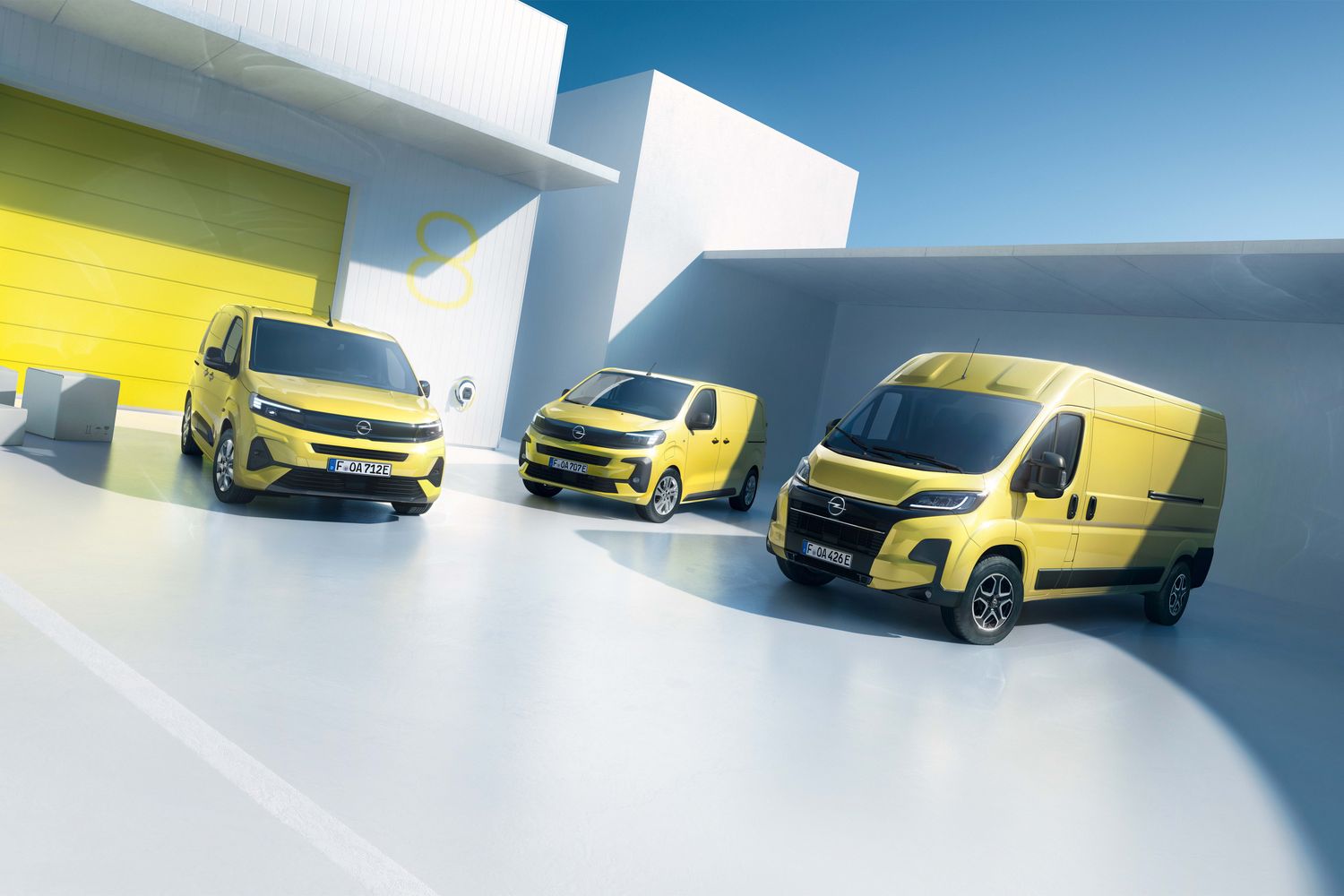
Rising fuel costs and increasingly specific requirements related to emission reduction mean that fleet modernization is no longer just a branding decision, but an operational necessity. In logistics, it is becoming increasingly clear that what counts is not only delivery time, but also energy efficiency, noise levels, and the reduction of environmental impact in urban areas.
In this context, the electrification of light commercial transport is beginning to serve as a tool for optimizing costs and risks. A good example of this change is Opel’s offer, which includes three segments of commercial vehicles: Combo, Vivaro, and Movano — each designed for a different operational scenario, but based on a common technological logic.
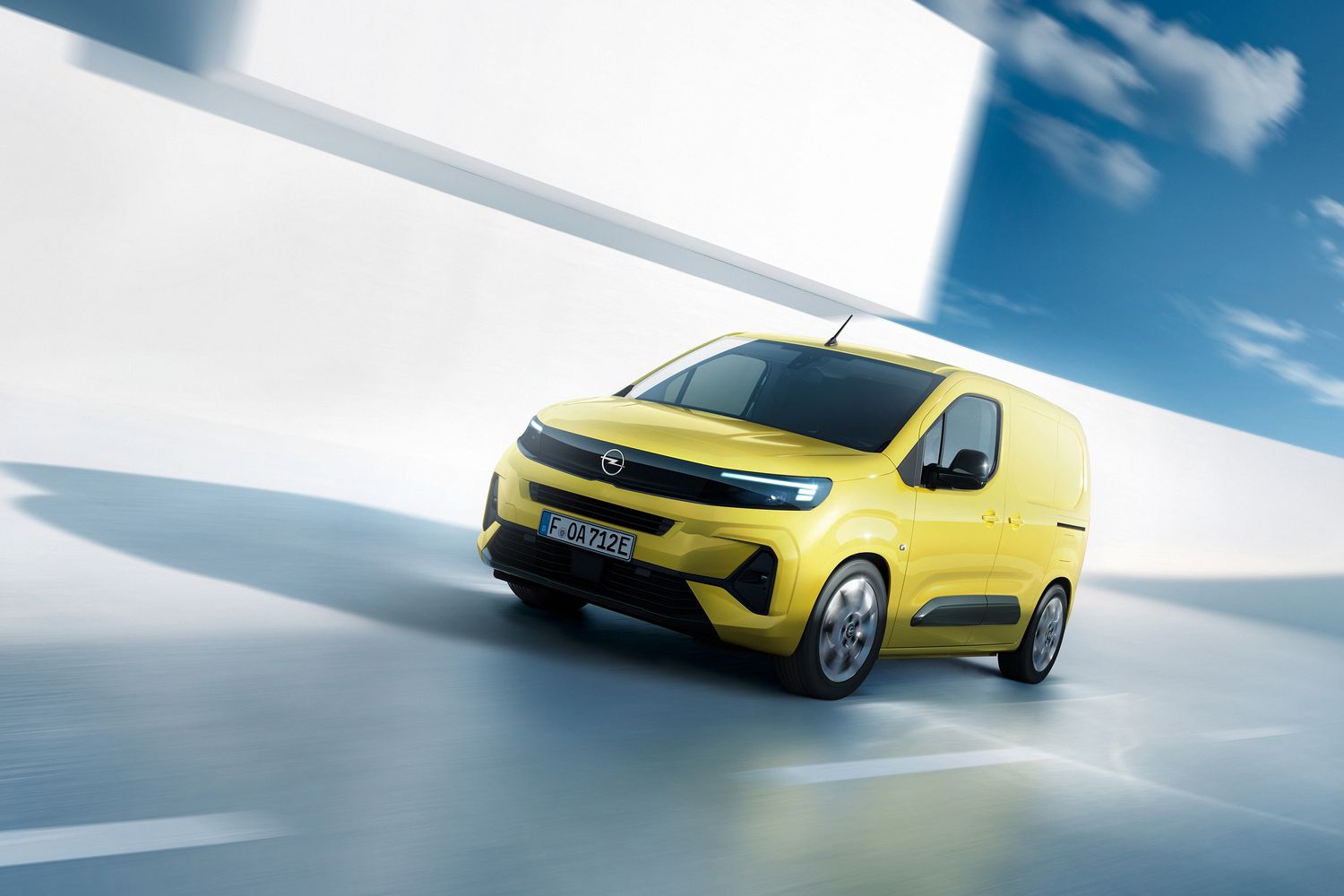
Combo: urban logistics without compromise
In last-mile distribution, agility and efficiency in urban traffic as well as cost predictability are key. The Combo Electric addresses these needs in a quite pragmatic way – it is a vehicle that does not so much “revolutionize” operations as it organizes them where repeatability and reliability count.
From a fleet management perspective, driver support systems are particularly important here, as they have a real impact on reducing the number of damages and downtime. In practice, this means lower hidden costs, which in urban logistics are often a bigger problem than fuel or energy expenses themselves.
Vivaro: a proven platform with a new powertrain
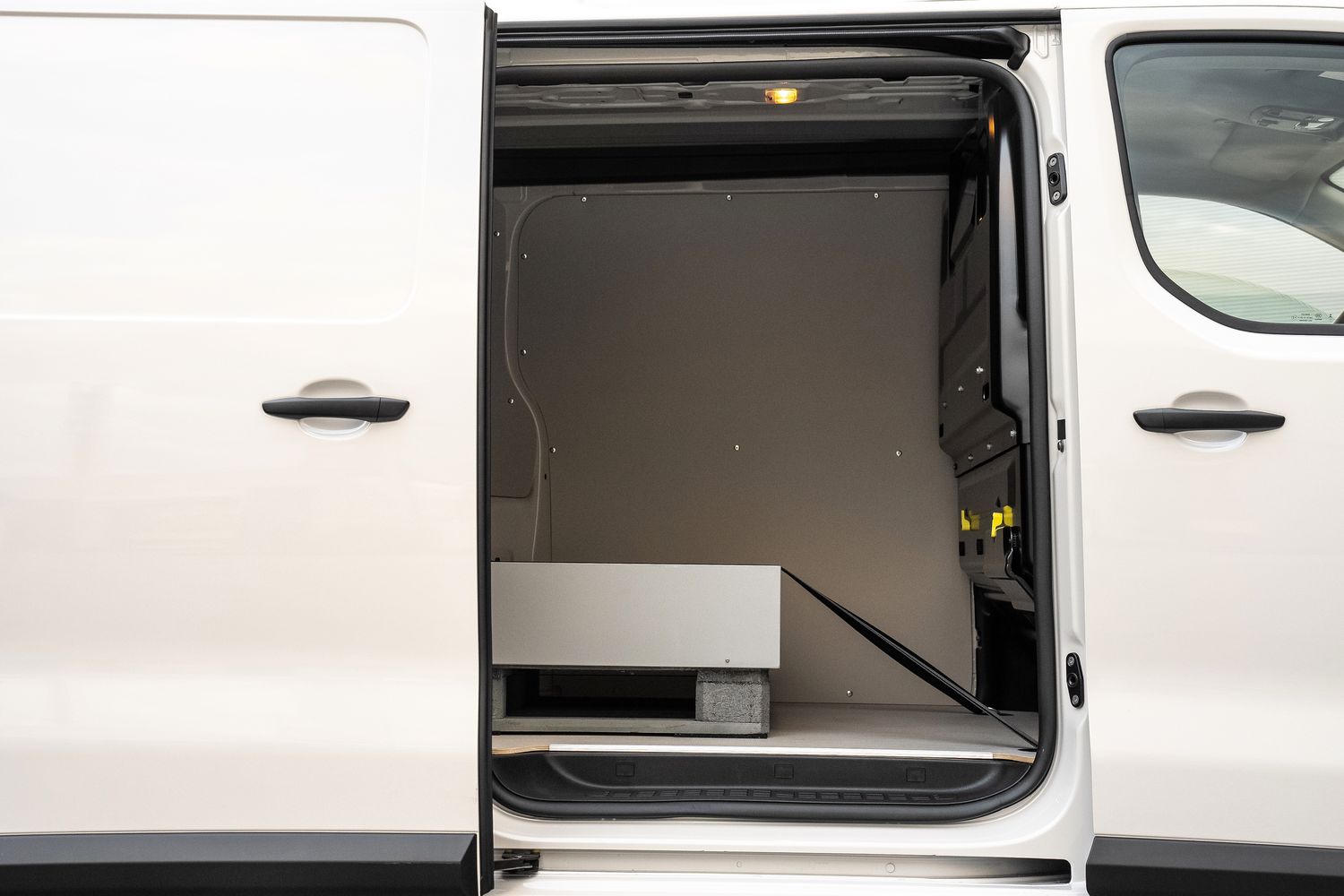
Vivaro is a design that has been known on the market for 25 years – and this experience is its greatest value. The electric version does not change the character of this model, but expands its application where environmental regulations or operating costs were previously a limitation.
From the point of view of a logistics operator, configuration flexibility is crucial here. Various body variants and vehicle lengths allow the vehicle to be matched to a specific supply chain without having to compromise on functionality. At the same time, the total cost of ownership (TCO) remains predictable – which is becoming increasingly important given the growing volatility of fuel prices.
Movano: the heavy segment
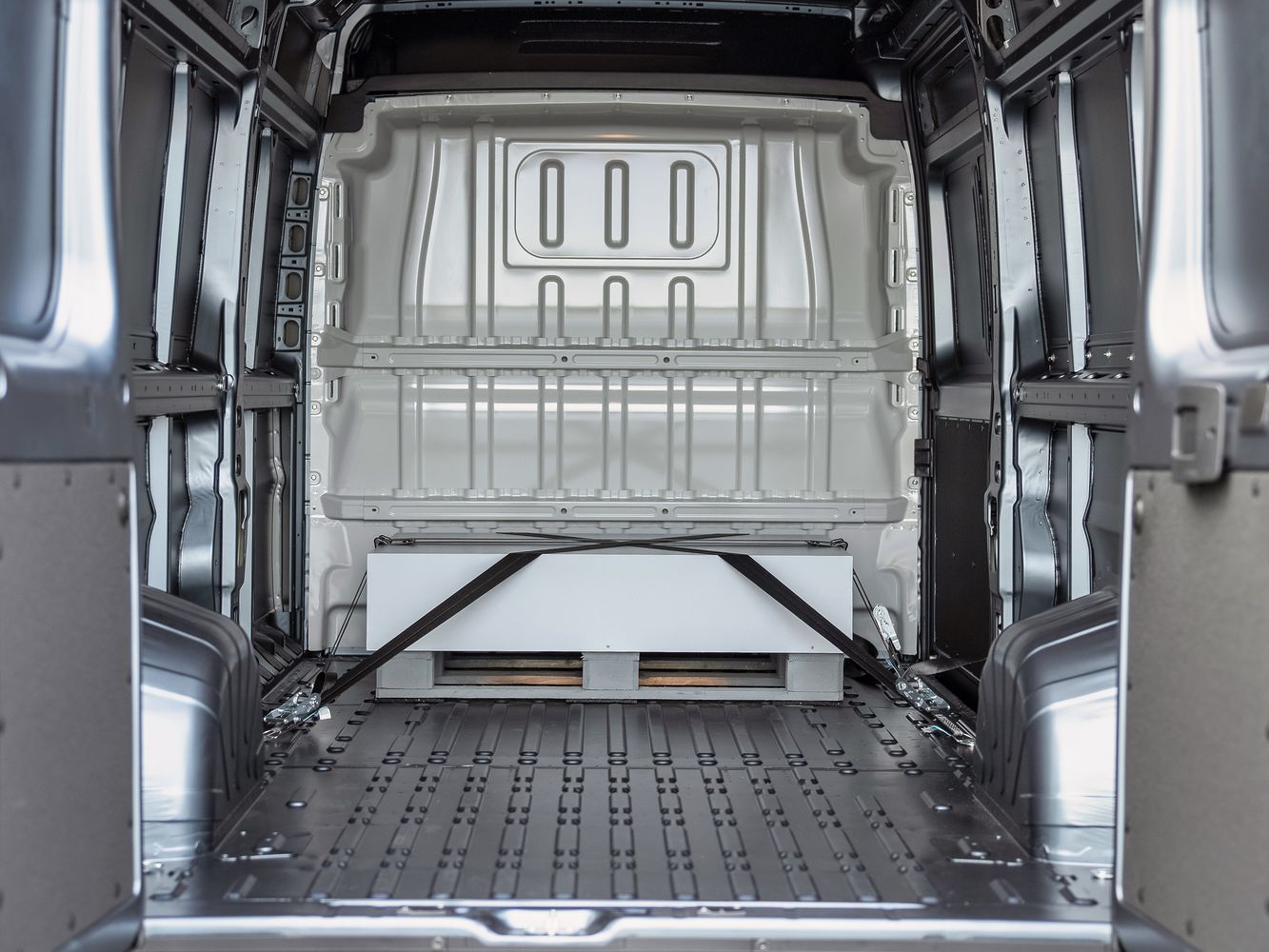
For larger transport operations, the benchmark is the Movano Electric. This vehicle is designed for tasks requiring higher payload capacity, while at the same time fitting into the trend of fleet unification.
Managing a diverse fleet of vehicles always generates additional costs – training, maintenance, and operational. Introducing consistent safety systems and similar operating logic across the entire model range simplifies this area. In practice, this means easier fleet scaling and greater control over its operation.
Technology as a standard
A common element of the new models is a clear shift of assistive technologies from the option level to the operational standard level. For fleet managers, this is a significant change, because safety ceases to be a declaration and starts to be a measurable parameter affecting the financial result.
Opel’s electric models do not solve all logistics challenges, but they fit well into the direction the market is heading: greater predictability, lower operating costs, and better adaptation to environmental constraints. And today, that is often more important than the vehicle’s technical specifications alone.