









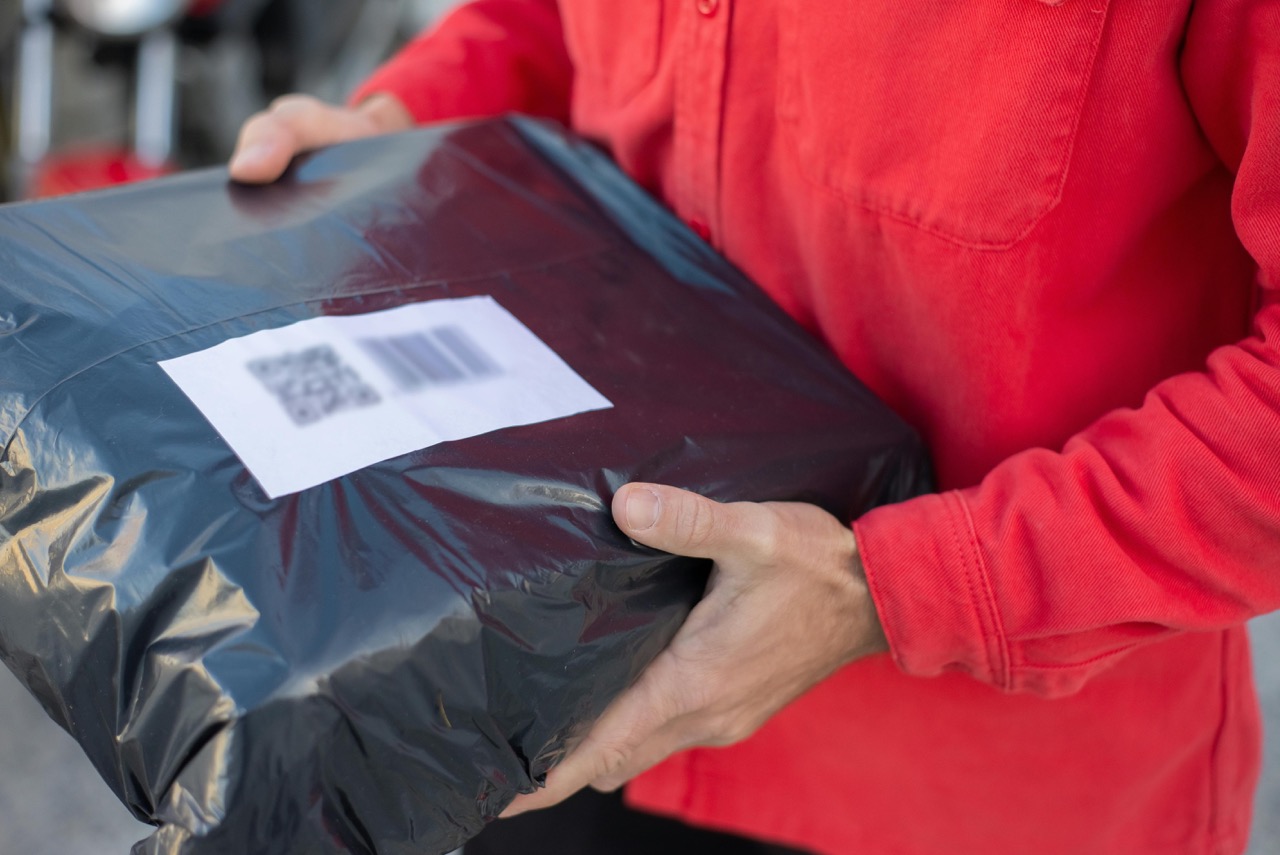
Every year, over 2.1 billion shipments are delivered in Poland, of which approximately 1.2 billion are courier parcels (Report on the state of the postal market 2024). For the customer, it is a single moment – receiving and opening. In reality, however, every shipment goes through a complex logistics process in which it can be moved, sorted, and exposed to various transport conditions multiple times. The condition in which it reaches the recipient largely depends on decisions made at the packaging stage.
The beginning of the journey: picking, packing, and securing
The life cycle of a parcel begins in the warehouse – at the order picking stage. Products are collected, verified, and prepared for shipment. It is at this point that key decisions are made: the choice of packaging, fillers, and the method of securing the shipment. This is the moment that, in practice, determines whether the parcel will reach the customer in pristine condition.
After placing the product in a box, it is sealed. Although from the recipient’s perspective this is the least visible stage, it is of great importance for the further course of transport. In subsequent stages, the parcel may be moved multiple times, stacked under the pressure of other shipments, and subjected to variable conditions – from temperature fluctuations to humidity.
On such a scale of operations, even minor imperfections in security can lead to shipment damage and additional costs – from complaints to the need for reshipment. This is a problem that, in practice, affects almost every participant in the e-commerce market. Therefore, the method of securing it must be matched not only to the product itself but also to the entire journey it has to cover.
In logistics operations, it is not transport that is the most demanding stage, but the moment of preparing the parcel for shipment. It is then that decisions are made that determine its safety throughout the entire further process. In practice, this means choosing the right tape and application method, depending on the weight of the shipment, the length of transport, and the conditions in which it will be stored. A well-chosen solution must maintain its properties despite the pressure of other parcels, temperature changes, or humidity. In our daily work, we see how important the proper selection of solutions for closing and securing shipments is – from simple warehouse operations to complex supply chains. That is why professional consulting is playing an increasingly important role, allowing companies to match packaging solutions to real operational conditions, and not just to the product itself. It is at this stage that the decision is most often made as to whether the parcel will reach the customer in pristine condition.
– says Jarosław Kamiński, Managing Director of RAJAPACK.
Sorting, transport, and intermediate storage
After leaving the warehouse, the shipment goes to a sorting center – one of the most intensive stages of its “life.” Logistics systems are optimized for efficiency, which means that parcels are quickly moved, directed to the appropriate routes, and prepared for further transport. In practice, this means multiple handling, turning, and contact with other shipments. In such conditions, the durability of the parcel closure becomes particularly important – the tape is responsible for maintaining the integrity of the packaging despite constant movement, the pressure of other shipments, and variable transport conditions, while the quality of the cardboard determines its resistance to deformation and protection of the contents.
At this stage, the quality of the earlier security becomes particularly visible. The packaging must withstand not only transport but also the pressure of other parcels and dynamic logistics operations. Improperly secured shipments can become unsealed, which leads to damage to the contents or the need to withdraw them from circulation.
Not all parcels go directly to the recipient. In many cases, they are temporarily stored in logistics centers. In such conditions, environmental factors become important – temperature, humidity, and storage time. Securing materials must maintain their properties throughout this period so that the parcel reaches the customer in pristine condition.
The growing role of standardization and optimization
With the growing scale of e-commerce, the importance of standardization and optimization of packaging processes is also increasing. Companies are increasingly implementing specific procedures regarding the selection of packaging and the method of securing it to reduce the risk of errors and ensure repeatable quality.
This approach stems from a simple fact: with a large number of shipments, even minor oversights can lead to real operational losses. Therefore, not only the speed of order fulfillment is playing an increasingly important role, but also the quality and repeatability of packaging processes.
Although for the recipient the parcel is only the final stage of the purchasing process, its journey begins much earlier. It is in the warehouse – at the packing station – that decisions are made that determine the entire further course of delivery. This also applies to elements that often remain invisible – such as the way the parcel is closed, which in practice determines its safety throughout the supply chain. In practice, this means that effective logistics does not start on the road, but in the place where the parcel is prepared for shipment.
Source: RAJA Group