









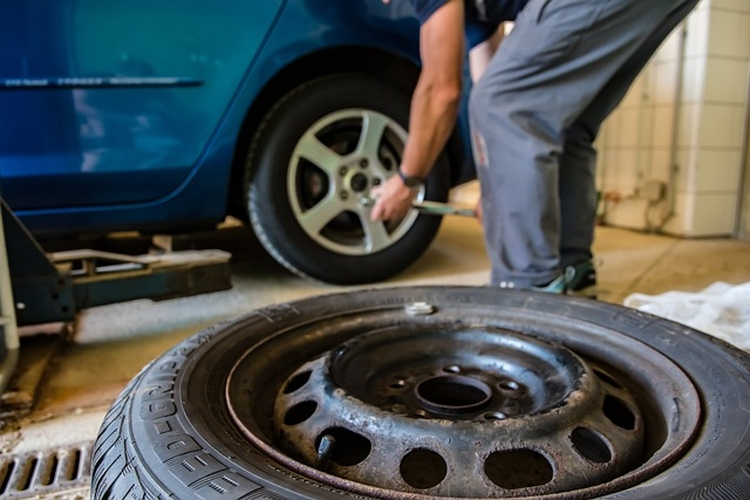
During the winter season, ice and snow pose serious challenges for a car. Sudden changes in road conditions, turning asphalt into a slippery surface, significantly affect vehicle control and grip. That is why winter tires have been developed to improve stability on the road and steering precision, ensuring safety not only for yourself but also for other road users.
Better traction and stability
Winter tires are specifically designed to meet the challenges of winter road conditions. Their key feature is a deep tread, which provides better grip on the surface. As a result, these tires offer excellent traction and vehicle stability, especially on wet, snowy, or icy roads.
Shorter braking distance
Thanks to anti-slip technologies, winter tires allow for faster vehicle stopping on snow or ice compared to summer or all-season tires. A shorter braking distance is crucial in situations of sudden stops and avoiding collisions or accidents. Many tests conducted by independent manufacturers and automotive portals show that the braking distance for winter tires can be even several meters shorter than for summer tires.
Protection against aquaplaning
Winter tires are designed for safe driving in rain, slush, ice, and snow conditions, featuring a special tread equipped with numerous grooves and channels. These elements effectively drain water, reducing the risk of so-called aquaplaning, a situation where the tire loses contact with the surface due to water accumulation on the road.
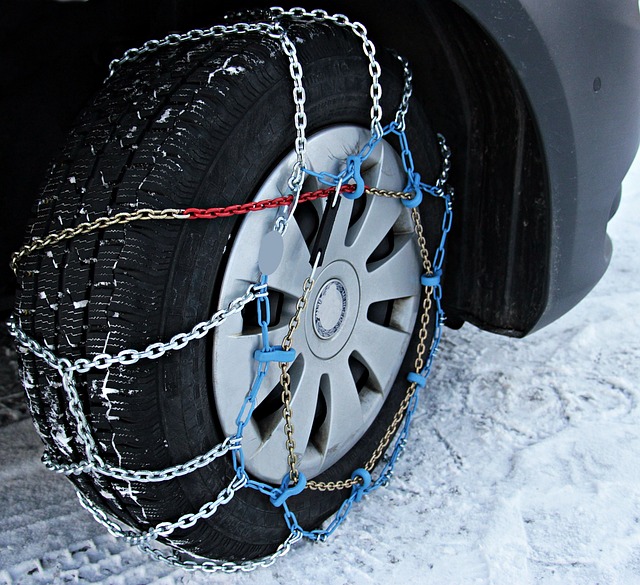
What should you consider when buying winter tires?
Buying winter tires may not seem as simple as it appears; besides choosing the right tire size, before purchasing, we should ensure we check the appropriate parameters to fully guarantee safety and driving comfort.
Load and speed indices
The load index defines the maximum load a tire can withstand. It is important to always follow the manufacturer’s recommendations in this regard – a tire that is too weak may not handle the vehicle’s weight.
In the case of the speed index, you should also strictly follow the car manufacturer’s recommendations. However, for winter tires, regulations allow for a lower speed index. A tire with a lower index is lighter, which may perform better in deep snow.
Proven manufacturers
Winter tires should provide adequate grip on wet and slippery surfaces and the shortest possible braking distance. Some tire sets also stand out for their low noise levels and reduced fuel consumption. However, it is worth avoiding low-quality models that can do more harm than good. Therefore, it is worth choosing products from reputable manufacturers such as Kormoran, Nokian, Uniroyal, Goodyear, or Continental, which can be easily found, for example, on the https://erli.pl/do-samochodow-osobowych-zimowe,8975 platform.
Tread
How important a deep tread is for a winter tire is shown by analyzing the car’s behavior during braking on the road; the recommended minimum tread depth for a winter tire is between 4 mm and 5 mm.
Check energy labels
Every brand-new tire has an energy label. It includes information about three performance aspects of the tire:
- fuel efficiency (symbols A, B, C, D, E, F, G, where A denotes the most economical);
- wet grip (symbols A, B, C, D, E, F, G, where A denotes the shortest braking distance);
- external rolling noise (value in decibels);
Winter tire homologation
Recognized tires are produced by tire companies in cooperation with car manufacturers. The entire process can take several dozen months, but thanks to this, the tires are perfectly matched to the requirements of a specific car model. Tires made this way ensure the best cooperation with, among other things, the suspension, gearbox, brakes, and safety systems. The only official symbol guaranteeing that a given tire is a winter tire is the so-called alpine symbol, featuring three snowy mountain peaks in the background; such a symbol confirms that the winter tire has been tested according to standards.
The end of the season is a bullseye
If you are planning to buy tires after the season, you must count on the risk that the chosen product will sell out quickly due to high popularity. Why? It’s simple: manufacturers who haven’t managed to sell their entire stock lower prices to get rid of it. Remember, buying winter tires from the previous season is not a sin, and as long as the tire has been stored properly, it does not lose its properties. Therefore, to save time and money, it is best to choose the right moment to place an order – the best tire offers can be found just before and just after the tire change season, e.g., on the Erli.pl platform.