









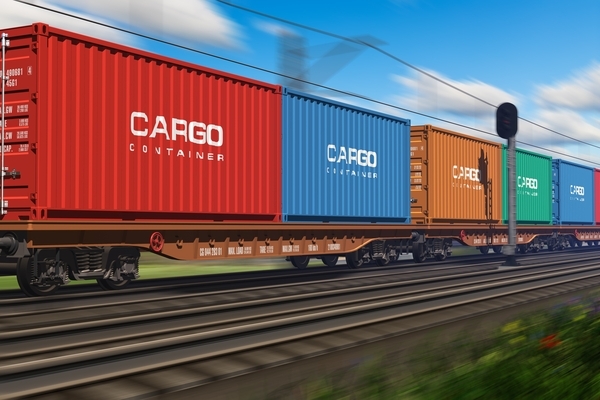
The European Union’s policy aims to balance individual modes of transport and increase the role of rail in freight transport by creating a fully functional intermodal transport network by 2030. A major obstacle to the implementation of this policy is the lack of a single, centralized structure in EU countries that would act as an organizer and manager of intermodal transport operations, which is obvious given the need to comply with the principles of free and fair competition. The effective development of intermodal transport is seen in coordinated actions by member states, consisting of the real promotion of environmentally friendly modes and technologies of transport, primarily rail, intermodal, and water transport.
The European Union is taking a number of legislative and initiating measures (including funding) aimed at supporting the development of intermodal transport in Europe, aware that it brings indisputable ecological benefits, increases traffic safety, and relieves roads of some heavy goods traffic.
WAYS OF SUPPORTING INTERMODAL TRANSPORT BY THE EU
According to the European Commission, achieving significant structural changes in the freight transport market in accordance with the recommended principle of sustainable transport development will be possible through the implementation of, among others, the following measures:
– widespread implementation of ICT technologies in freight transport logistics: e-Freight (electronic transport system) or ITS (intelligent transport systems), which will enable the streamlining of the identification and tracking system for cargo flows along the entire route using various modes of transport and improve communication between transport companies and public administration;
– ensuring rail interoperability in an international system by eliminating technical, operational, and organizational bottlenecks in rail freight transport;
– simplification of administrative procedures by integrating IT technologies of offices (e.g., regarding customs or creating a single transport document) and creating a so-called single window;
– standardization of norms regarding vehicle load and dimensions as well as the standard for the European intermodal loading unit in all types of land transport through appropriate changes to EU regulations;
– creation of “green corridors” using short-sea shipping, rail, inland waterway, and road transport, where transshipment hubs equipped with environmentally friendly solutions would be located in the future.
The article contains 14,070 characters.
Source: Logistyka Magazine