









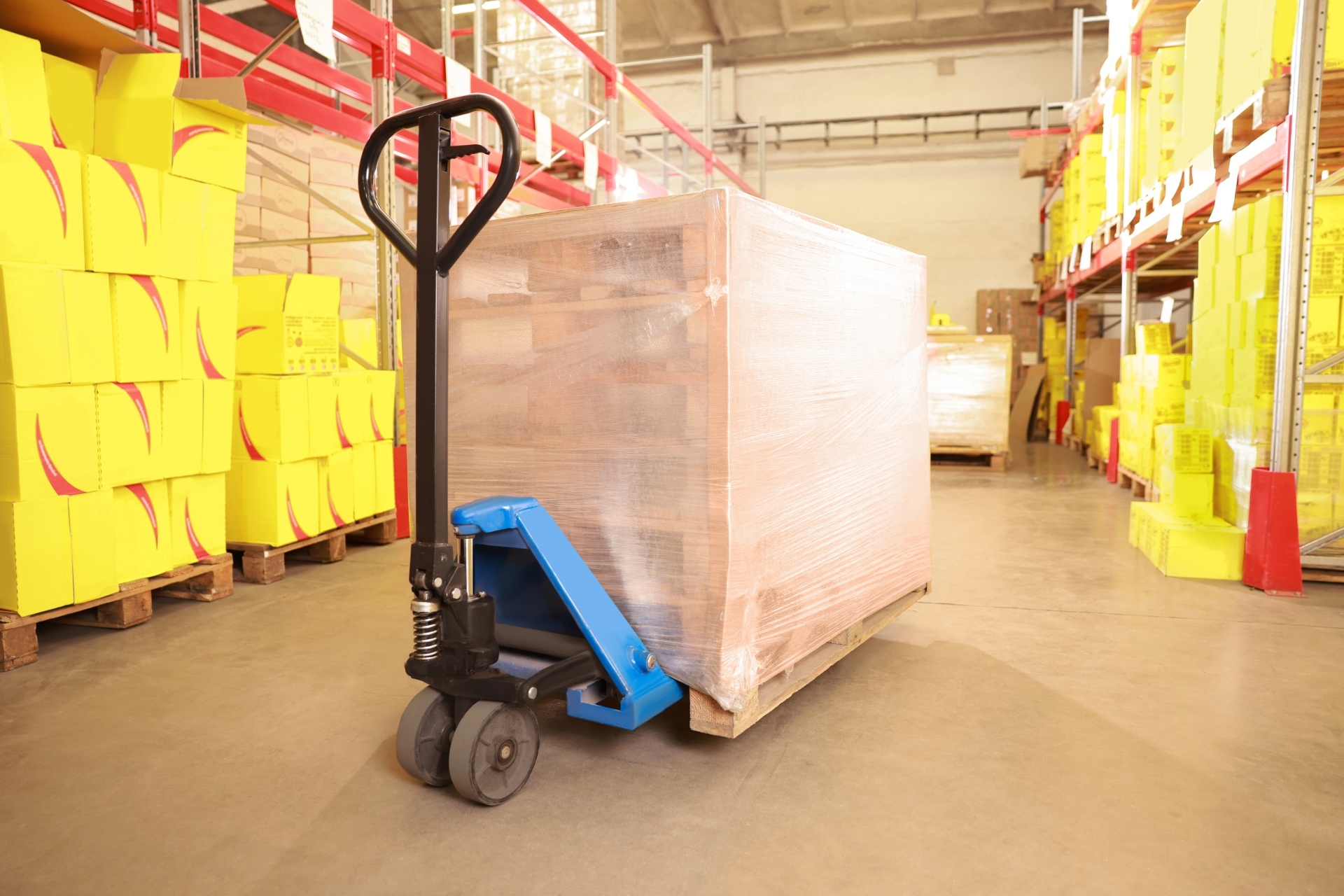
In light of the proposed changes to the EU Packaging and Packaging Waste Regulation (PPWR), the Polish Plastics Converters Association expresses its appreciation for the European Union’s efforts to build an economy based on the principles of sustainable development and a circular economy. At the same time, it views with concern specific provisions—Article 29(1)–(3)—which, in the case of single-use transport films, could have the opposite effect of what is intended, both for the environment and the economy.
Research results: the scientific basis for decisions
To assess the real impact of potentially replacing single-use stretch films with reusable alternatives, the European Plastics Converters (EuPC) commissioned two independent analyses: a Life Cycle Assessment (LCA) and an economic impact analysis across eight key sectors. The results are clear – there is currently no more sustainable alternative than modern single-use pallet films made from PCR, or post-consumer recyclate.
Environmental facts: single-use stretch films, even with 35% recycled content (PPWR 2030 limit), are the clear winners
The LCA analysis conducted by the renowned IFEU Institute showed that single-use stretch films with 35% and 65% PCR have a lower impact in all environmental categories than reusable alternatives. Moreover, the results for single-use plastic packaging were significantly more favorable in every one of the seven transport applications analyzed.
Example results:
- Replacing stretch film with 35% PCR content with a reusable sleeve for transporting cement bags increases greenhouse gas emissions generated during transport by as much as 470%, and by up to 1750% with a reusable container.
- In the transport of bottled water, packaging with reusable sleeves increases emissions by 31%, and switching to a reusable transport container by as much as 620%.
Increased greenhouse gas emissions are not the only problem. Not all reusable systems are suitable for all types of goods – issues include load instability, protection against moisture, and a lack of available, standardized solutions.
Economic consequences: 5 billion euros more per year
The RDC Environment study assessed the impact of introducing mandatory reuse in eight key sectors, including retail, the cement industry, the dairy industry, and the glass industry. The results indicate an increase in operating costs across the EU of more than 4.9 billion euros annually.
Introducing a requirement to use reusable packaging for the transport of goods could significantly burden many sectors of the economy financially, especially retail. In the case of glass packaging, packaging costs could rise by as much as 15.9% of the product value.
The main sources of these costs are the higher price of reusable packaging itself compared to single-use solutions, as well as the need to bear costs related to reverse logistics, washing, storage, and final disposal of the packaging. Additionally, companies would have to invest in new packaging line machinery and reorganize production processes, which generates further significant financial burdens.
The plastics industry points to these research results as a reason to reconsider the regulation’s provisions. Single-use solutions, such as stretch film, when properly disposed of, support the goals of sustainable development and the Circular Economy due to the possibility of reusing the raw material for production. At the same time, they are logistically proven solutions that address the real challenges of product transport, limiting the possibility of damage, contamination, and shifting during delivery.
Lack of technological readiness and risk to the internal market
Reusable systems for transport films are currently fragmented and not standardized. Moreover, their implementation by 2030 is an unrealistic goal and could lead to logistical chaos, increased costs, and a weakening of the EU single market.
Companies exporting to the EU and those operating solely within the community will be forced to maintain parallel packaging systems, which will significantly increase costs and complicate operational processes.
Demands of the plastics processing industry
Scientific evidence and economic analyses clearly point to taking actions consistent with reality. We appeal to the European Commission and Member States to:
- Exclude stretch film for pallet wrapping from reuse targets under Article 29(18a) and (18c) of the PPWR – by adopting a delegated act.
- Accept and support the use of recycled raw materials – as an effective tool for reducing CO₂ emissions and as a material supporting the pursuit of a circular economy.
- Conduct environmental policy based on LCA analyses, not on intuitive assumptions.
- Promote recycling, material efficiency, and innovation as a path to real and effective circularity.
Single-use stretch films are not the problem – they are part of the solution to environmental issues. Introducing a rigid reuse mandate against scientific and economic analyses threatens serious consequences for the industry, consumers, and, above all, the environment. To achieve the PPWR goals, we cannot be guided by simplified assumptions – we need evidence-based decisions.
The Polish Plastics Converters Association calls for a rational approach to PPWR regulations that will allow for the protection of the environment, support for innovation, and the maintenance of the competitiveness of the European industry.
This article was based on research by EuPC, IFEU, and RDC Environment.
Source: Polish Plastics Converters Association