











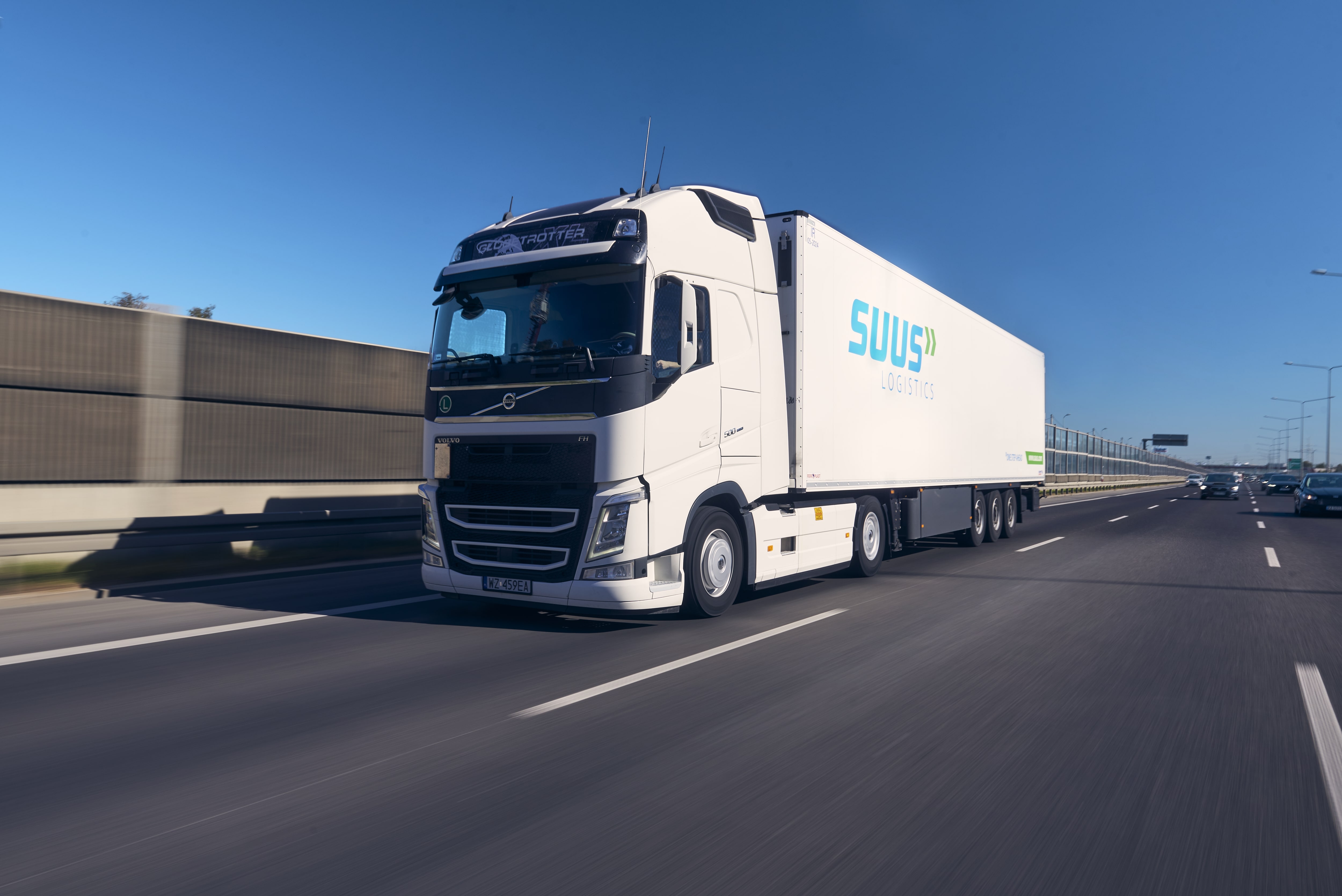
Rohlig SUUS Logistics has implemented the option to use HVO100 biofuel in its road transport operations. The pilot program confirmed the effectiveness of this solution and demonstrated that it allows for a reduction in CO₂ emissions by at least 80% compared to B0 diesel, taking into account the entire product life cycle – from production and transport to combustion. The project is being carried out in cooperation with the UNIMOT group.
At SUUS, we focus on real actions that translate into reducing emissions in our clients’ supply chains while maintaining operational efficiency. This is an important element of our ESG strategy. That is why we have implemented the option to use HVO100 biofuel in road transport, which can 100% replace traditional diesel and be used in most newer heavy-duty vehicles. Our pilot confirmed that HVO allows for a reduction in CO₂ emissions by at least 80% compared to B0 diesel.
– says Fabian Szmurło, Domestic FTL Product Director at Rohlig SUUS Logistics.
HVO100 is a second-generation synthetic biofuel produced from vegetable fats and waste. The fuel supplier in this partnership is UNIMOT, a Polish multi-energy group specializing in the distribution of both conventional and alternative fuels. Currently, the level of emission reduction achieved through the use of HVO100 fuel supplied by UNIMOT averages 80-90%, with the final value depending on the specifics of a given batch.
Meeting the expectations of the market and our partners, together with Rohlig SUUS Logistics, we started testing HVO100 biofuel, which is already widely used in other European countries, including the Czech Republic, Slovakia, and the Scandinavian countries. After driving 7,300 km, we did not notice any significant differences in engine performance, driving comfort, or fuel consumption compared to traditional diesel, but we significantly reduced the emissions of the transports carried out. We plan to continue the project.
– says Mariusz Pastuszka, carrier.
Another step in transport decarbonization
The use of HVO100 biofuel in road transport is part of SUUS’s ESG strategy, one of the goals of which is to create and implement solutions that support clients in sustainable development, including reducing emissions resulting from transport and logistics. It is also the realization of the company’s decarbonization goals, approved by the SBTi (Science Based Targets initiative). The operator is developing other initiatives to reduce CO2 in supply chains – it is conducting projects using electric trucks in full-truckload transport, and the company SUUS EXPERT, which belongs to the capital group, carries out last-mile deliveries using electric vehicles. The company is also consistently developing intermodal transport services. Furthermore, it has an extensive network of modern logistics centers with BREEAM certification in Central and Eastern Europe, equipped with, among other things, photovoltaic panels, LED lighting, and utility consumption monitoring systems.
Source: Rohlig SUUS Logistics