











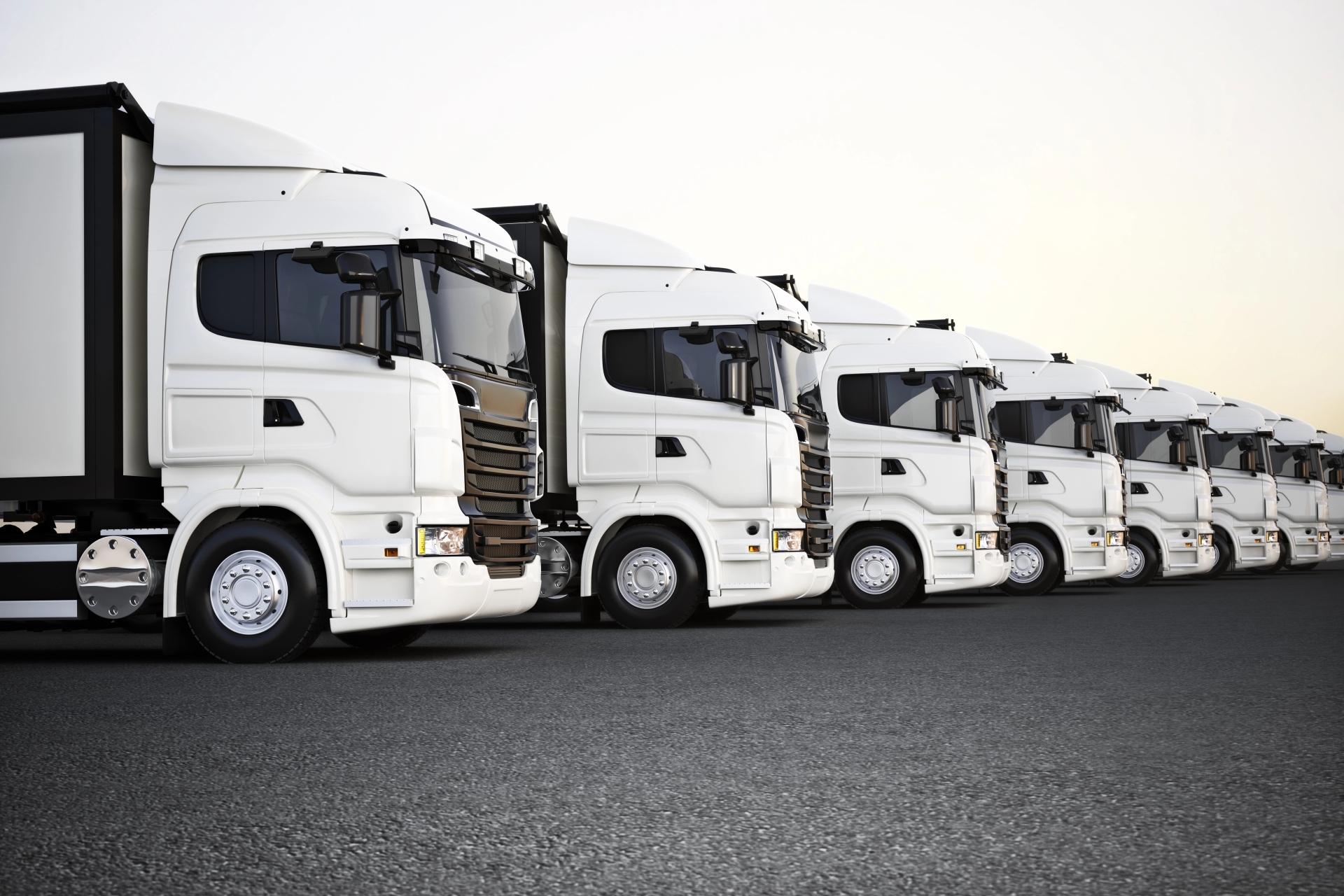
The last few decades have brought a significant increase in the number of vehicles in Poland. Since the political transformation, the fleet of registered passenger cars has increased more than fivefold – from 5.3 million in 1990 to 27.3 million in 2023. As the authors of the new EFL report emphasize, company cars play a significant role in this. Today, they are not only a way to ensure employee mobility and the flow of goods, but also a company’s calling card and an attractive non-wage benefit.
The industry is still feeling the effects of the pandemic
At the beginning of 2020, almost 18% of SME representatives declared their willingness to invest in a corporate fleet. However, business uncertainty related to the lockdown and supply chain disruptions quickly verified these ambitious plans. The pandemic shook the automotive industry, and consequently, the fleet market. Although almost 5 years have passed since its outbreak, Poland has not yet returned to a path of stable growth.
From January to October 2024, approximately half a million passenger cars and light commercial vehicles up to 3.5 t were registered (+12.8% compared to the same period in 2023) and almost 23 thousand trucks (-19.5%). The share of institutional clients in the total number of passenger car registrations remains relatively constant – in October 2024 it was 2/3, and in some months it reached 70%. According to data from the Polish Automotive Industry Association, companies replace their fleets on average every 3 years, which is much more often than individual customers.
What will the future hold?
It seems that the demand for cars used as a work tool, especially in transport services, will not decrease. On the other hand, the role of passenger cars in the fleet may be negatively affected by factors such as restricted access to city centers, a decreasing number of parking spaces and rising fees, remote or hybrid work, and the use of public transport or bicycles.
Perhaps the answer to these challenges will be car-sharing or an increase in the share of alternative-fuel vehicles, also in the commercial vehicle segment. However, despite the upward trend, electric vehicles are still a small segment of the market. During the first ten months of 2024, they accounted for 4% of all new passenger car registrations, and in the case of vans and trucks, only 2.3%.
Artificial intelligence enters the fleet market
Company cars are becoming more economical, comfortable, and safe. Modern technologies, such as GPS systems, radio vehicle security, or telematics devices, play an important role in fleet management. Mobile applications for drivers and portals for fleet managers in companies are a great convenience.
Today, fleet management cannot do without artificial intelligence. Currently, AI can reduce fuel consumption by optimizing routes and prevent dangerous situations on the road by analyzing driver behavior. It is predicted that its use in CFM will grow. There is currently a race among technology companies, where the stake is the popularization of an AI assistant in the industry – a tool intended to be used for analyzing and reporting fleet data.
Corporate fleet and entrepreneur costs
One of the key issues for entrepreneurs investing in a fleet is costs – both at the start and during the continued use of a company car. When the prices of new cars rose as a result of the pandemic and the waiting time for them significantly increased, companies redirected their interest to used cars. Financing models that allow for limiting one-off investment expenditures or avoiding them altogether – leasing and long-term rental – have also gained popularity.
– The topic of the fleet will occupy an important place in many companies in the SME sector, because there is no doubt that we will not drive less – perhaps just differently, in a more sustainable way. There is a growing professionalization of corporate fleet management, which is associated with the popularity of long-term rental. It meets the current needs of managers and vehicle users, providing predictable costs, convenient service, technology support, and the possibility of replacing the car every few years – says Robert Dudziński, Commercial Director at Carefleet.
The full version of the EFL report “Corporate fleet drives the SME sector” is available at the link.
Source: EFL