








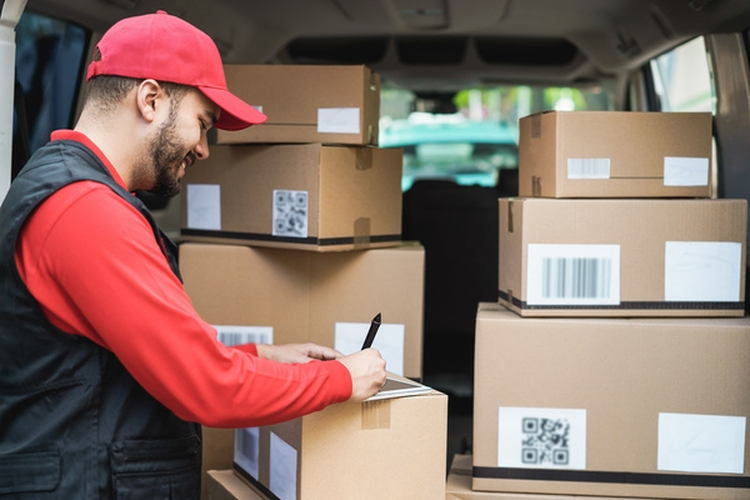
Every day, hundreds of thousands of parcels travel from one place to another to reach their recipients. This happens thanks to the work of reliable couriers, who are an integral part of the global delivery system. The courier profession is important because it enables the movement of products, documents, and services on a local, national, and international scale. Without their work, many aspects of our daily lives and business operations would be much more complicated and time-consuming. Let’s take a look at the work of a courier and the route a parcel takes, diving into the secrets of success in this industry.
What does a courier’s work look like?
Couriers play a key role in the supply chain, connecting suppliers with customers. Their work involves not only picking up and delivering parcels but also ensuring that every shipment arrives on time and in pristine condition. A perfect example of a perfectly functioning logistics system in terms of courier services is epaka.pl. It is a company that offers professional courier services from the most popular carriers and their couriers within Poland and abroad. Here are a few key aspects of a courier’s work:
- Parcel pickup
A courier’s work usually begins with picking up parcels from suppliers or warehouses. This is an important moment because couriers must carefully check all shipments to ensure they are properly described and labeled. - Parcel sorting
The next step is sorting parcels based on their destination routes and delivery locations. Large courier companies often have advanced sorting systems that automatically direct parcels to the right places. - Route planning
Route planning is crucial for delivery efficiency. Couriers must determine the optimal route, taking into account numerous factors such as distance, traffic, and delivery priorities. - Parcel delivery
Next, couriers set off to deliver the parcels to the recipients. This often requires great determination and accuracy, as couriers must handle many deliveries throughout the day. Hence, they often face significant time pressure, keeping in mind the expectations and needs of customers. - Customer contact
Communication with customers is an inherent part of a courier’s work. Couriers must inform recipients about the delivery status and be ready to answer questions or resolve any potential problems. - Reporting
After completing deliveries, couriers often have to prepare reports containing information about delivered shipments, potential problems, and other important data.
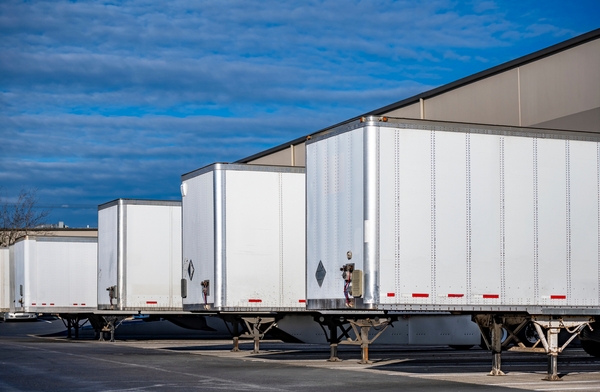
What does a parcel’s route look like?
Now that we know what a courier’s work looks like, let’s look at the route of a parcel from the moment it is sent until it is delivered. Remember that you can easily track the parcel you are sending thanks to generated data, e.g., on the website or in the epaka.pl app, when you decide to choose the best option in terms of a courier company.
- Sending a parcel
The parcel’s route begins the moment it is sent by the sender. At that point, the parcel is marked with a label containing the delivery address and other information. - Pickup and sorting
Next, the parcel is delivered to a warehouse or pickup point, where it is sorted and prepared for transport. - Transport
The parcel is placed on a vehicle or other means of transport and starts its journey. The parcel’s route can be complicated, involving many stops and changes in transport modes. Everything depends on the individual internal regulations within each courier company. - Tracking
Thanks to advanced tracking systems, recipients can monitor the parcel’s route in real-time, which allows them to know when to expect delivery and how to plan their day to safely receive the shipment. - Delivery
Finally, the parcel reaches its destination point, where the courier finalizes the delivery. If the recipient is unavailable, the courier may leave the parcel in an appropriate place indicated earlier as an alternative or arrange for another delivery attempt.
What does a courier’s workday look like – secrets of success
A courier’s work and a parcel’s route can be very complicated, but there are certain factors that ultimately contribute to great results in this industry. These include, among others:
- Effective route planning
Route optimization is crucial for saving time and fuel. Good planning can shorten delivery time and increase efficiency. - Reliability
Reliability is a key element of success. Couriers must be punctual and deliver parcels according to established deadlines. - Communication
Effective communication with customers and senders is crucial. Informing about the delivery status and solving problems quickly builds trust – which is why people often decide to use proven forms, e.g., services of companies like epaka.pl, where the entire process runs smoothly, quickly, intuitively, and without problems. - Technology
Using advanced technologies, such as tracking systems, helps in tracking parcels and ensuring transparency. - Safety
Securing parcels against damage or theft is extremely important. Couriers must take care of the parcels to deliver them in pristine condition.
The topic of courier work is not just about delivering parcels. It is also about building trust and relationships with customers. For many people, the courier is the face of the delivery company, which is why it is so important to perform this work with commitment and professionalism.
It is worth appreciating this extremely important role in the supply chain, because it is thanks to couriers that parcels reach our doors, enabling us access to products and services around the world. A courier’s work and a parcel’s route are complex processes that require not only physical effort but also emotional commitment and organizational skills. If you are looking for proven couriers, check out https://www.epaka.pl/