











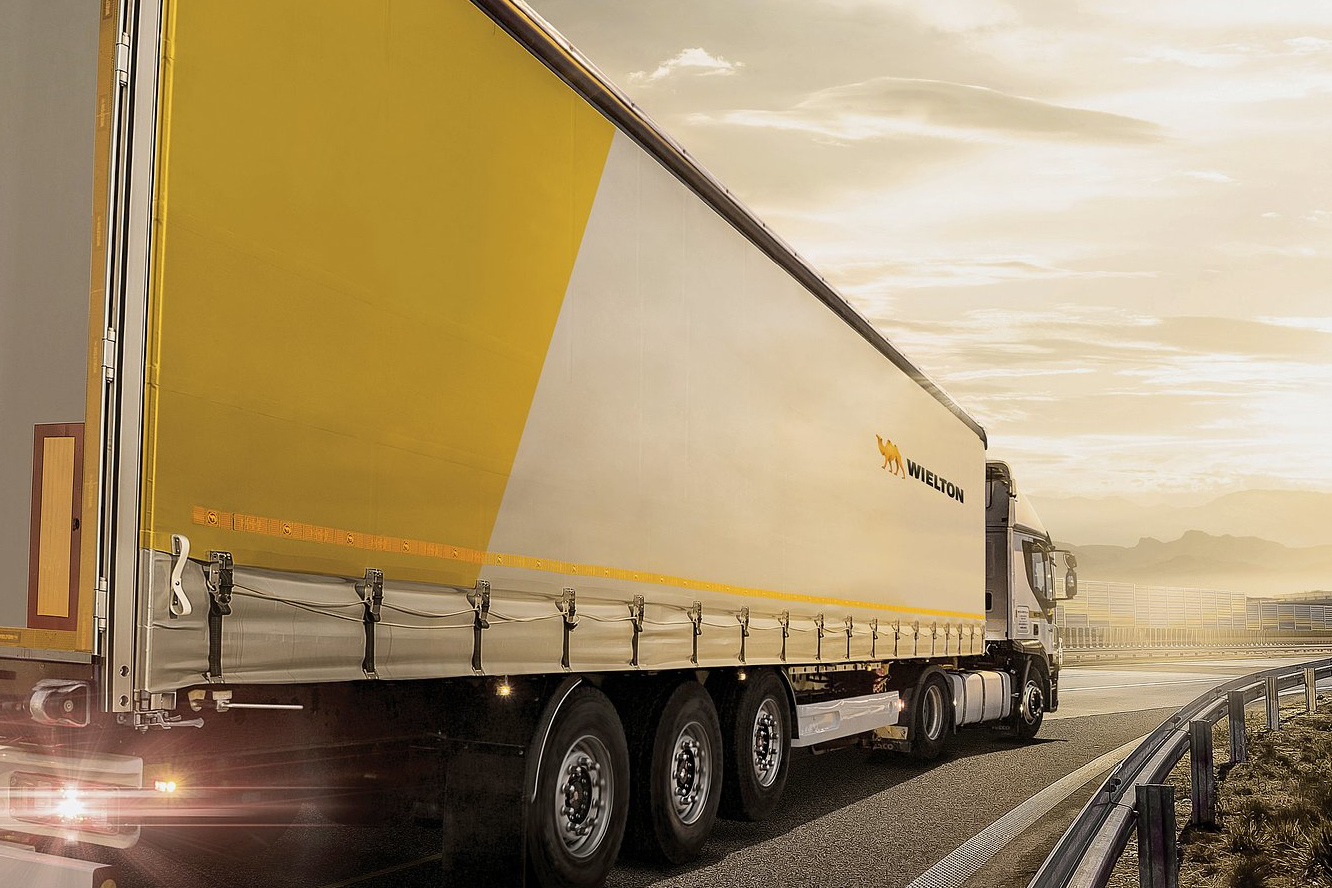
Wielton Group has opted for cloud-based digitalization. One of the European leaders in the semi-trailer and trailer market has decided to implement a business transformation program using the RISE with SAP model. In implementing tools to optimize operational activities, production, and sales, the Wielton Group will utilize the latest SAP technologies and industry benchmarks from the automotive market.
According to a market analysis conducted by IDC experts on behalf of SAP, customer and market expectations for more personalized products and services, as well as unprecedented supply chain disruptions causing inventory shortages, are driving changes in the automotive sector. They also create opportunities for companies operating in this industry to transform the way they conduct business operations.
The rapid pace of change has led the industry to define its future success based on how well it can respond to market disruptions. Providing employees with access to real-time information, enabling detailed insight into production efficiency, and providing tools for analytics to improve decision-making processes across the entire production value chain will definitely help in responding immediately to emerging challenges.
Wielton Group builds digital foundations for growth
One of the leaders in the semi-trailer and trailer sector that is focusing on digitalization and cloud analytics is the Wielton Group. The company is among the three largest manufacturers in this industry in Europe and the top ten globally. The mission of the Wielton Group is to create and provide the best transport solutions for business. The entire Group currently employs over 3,600 people, with the largest number, approximately 2,000, working in the plants in Wieluń.
– The Wielton Group bases its activities on four key values, which include: people, initiative, quality, and safety. Thanks to investments in top-class digital technologies, we are able to strengthen the potential of each of our key values. Business transformation using the portfolio of SAP cloud solutions will allow us to free up valuable time for our team, increase process efficiency, and ensure a higher level of business security for the entire Group – says Paweł Szataniak, President of the Management Board of the Wielton Group.
The Wielton Group has decided on a comprehensive digital transformation in the cloud using the RISE with SAP model. The latest cloud technologies will be successively implemented in many companies belonging to the Group. By investing in the right digital tools, the renowned semi-trailer manufacturer intends to streamline production processes, better manage warehouse logistics, increase the level of customer service, and optimize financial and management reporting. The digital core of the Wielton Group’s transformation will be the SAP S/4HANA Cloud, private edition ERP system. The company will also use industry benchmarks and dedicated digitalization tools for the automotive sector.
– The value of data and analytics in the automotive sector is evidenced by Oxford Economics data, which shows that as many as 49% of companies in the sector have significantly increased spending on digital tools that allow for collecting and processing key information about the organization’s functioning over the last two years. Digital tools allow companies to build competitive advantages and better respond to a dynamically changing economic environment. For industry leaders, such as the Wielton Group, they also enable further expansion and greater resilience to potential business shocks. This is particularly important in a world of increased uncertainty and disrupted value chains – says Piotr Ferszka, CEO of SAP Poland.
Poland is one of the leaders of digital transformation in the CEE region – 8 out of 10 managers here declare the use of cloud services for business purposes in at least one area. This result places our country above the average for Central and Eastern Europe, which is 76 percent – according to the report “Digital journey to the cloud. Managers about the cloud in Poland and the CEE region”.