











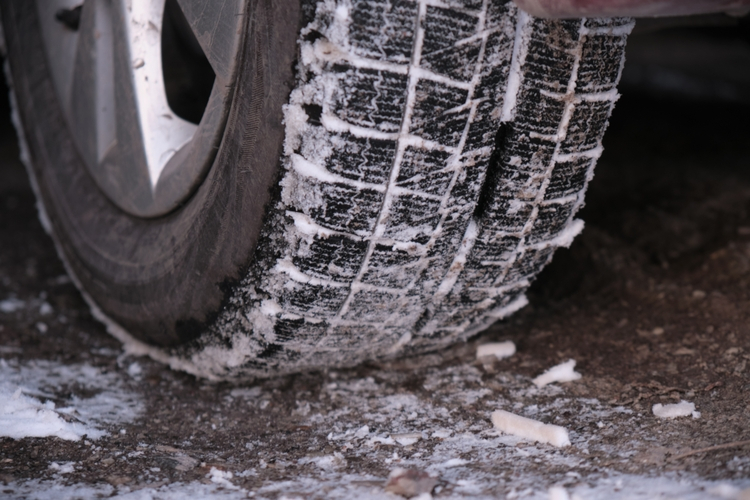
Changing tires for winter is an extremely important part of preparing a car for winter weather conditions. However, this process is sometimes overlooked or underestimated by some drivers. What are the risks? Let’s find out!
Loss of traction
The first and most important risk associated with driving on summer tires in winter conditions is the loss of traction. The rubber used to make such tires hardens at low temperatures, which leads to a significant loss of grip. This means that the car may start to slide, which increases the risk of a collision or accident.
Do you want to avoid this? Change to winter tires or opt for all-season tires.
Increased braking distance
Another danger is the increased braking distance. The harder rubber of summer tires means that the vehicle needs more time and space to come to a stop. At higher speeds, this can mean even a dozen or so extra meters needed to bring the car to a full stop.
Legal consequences
Not having the right tires for winter can also lead to legal problems. In many countries, there is a regulation that requires drivers to have winter tires during a specific season or at a specific air temperature. Ignoring this can result in fines, penalty points, or even the loss of insurance coverage.
Costs
The last, but not least, issue is costs. It may seem like you are saving money by avoiding the costs associated with purchasing winter tires, but in the long run, the costs associated with higher fuel consumption, faster wear of summer tires, and potential repair costs can turn out to be much higher.
Summary
All drivers should pay close attention to changing tires with the seasons. Ignoring this rule can lead to serious consequences, both for safety and finances. Moreover, from a safety perspective, changing to winter tires is absolutely necessary and should be a standard part of winter preparation.