








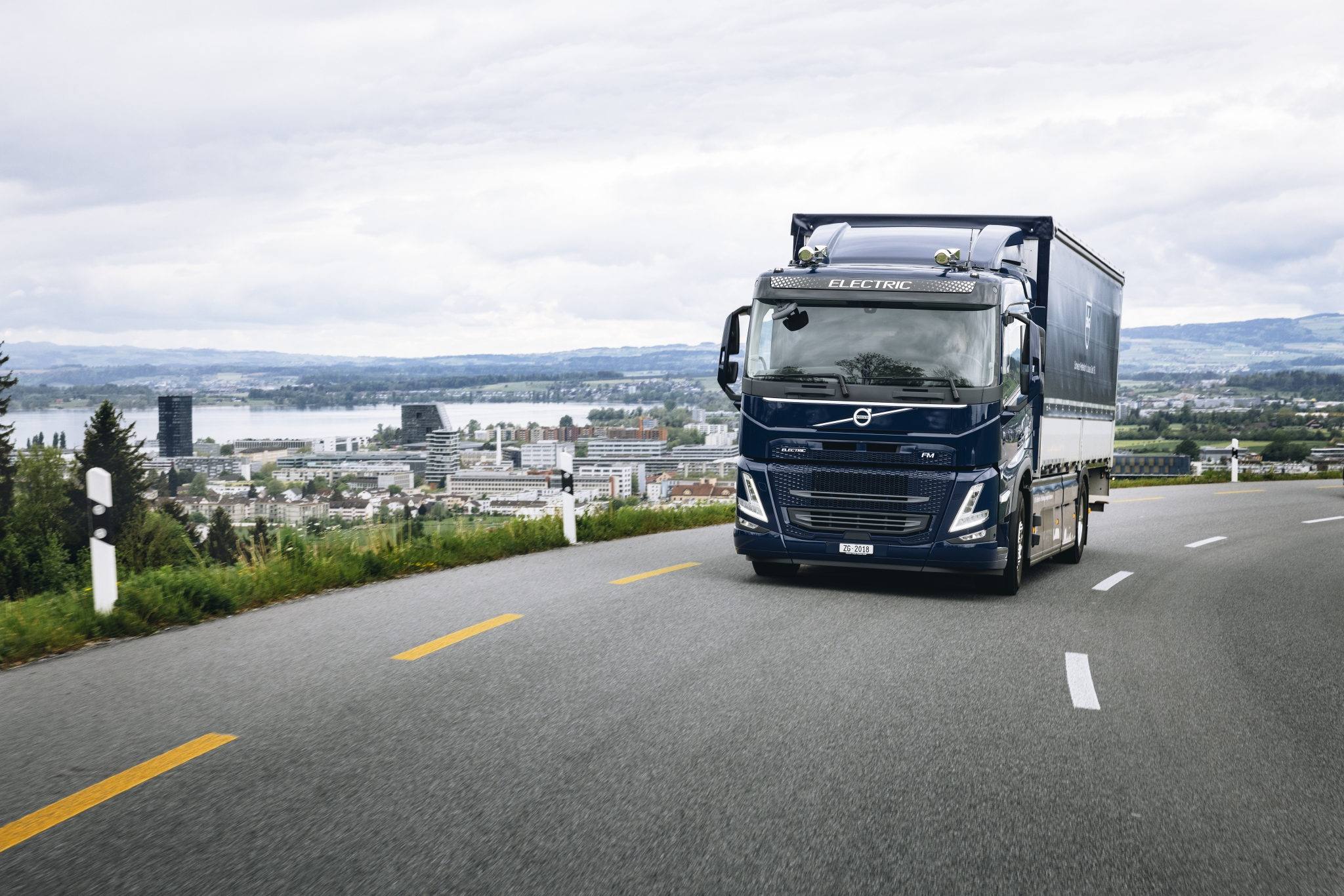
Volvo electric trucks have covered more than 80 million kilometers worldwide – equivalent to 2,000 laps around the Earth – since Volvo Trucks launched its first electric models in 2019. These trucks have reduced CO2 emissions while significantly improving the working environment for drivers.
New data monitoring Volvo’s fleet of electric models shows that since 2019, they have covered more than 80 million kilometers in commercial operation worldwide. Covering the same distance with equivalent diesel-powered trucks would have consumed more than 25 million liters1 of diesel fuel. Traveling this distance with electric models has also contributed to a reduction in tailpipe carbon dioxide emissions by 68,000 tons2.
“I am pleased to see how transport companies are leveraging the benefits of electric trucks in their daily operations. The transport sector accounts for 7% of global carbon emissions, and battery-powered models are an important tool for reducing the carbon footprint. Thanks to many pioneers, we are already seeing the huge potential of this technology,” says Roger Alm, President of Volvo Trucks.
5 years of experience in electromobility
Volvo’s early entry into the electric truck market has allowed it to build unique knowledge in zero-emission transport – knowledge that is being used in the development of the next generation of Volvo Trucks’ electric offering.
It pays to implement solutions early – transport companies with electric models have a strong competitive advantage, being able to offer zero-emission services to transport buyers.
Maximizing the use of investments in both the electric truck and charging infrastructure builds a strong business for transport companies – by optimizing logistics and routes and sharing charging stations between operators.
The benefits of electric trucks go beyond environmental gains – drivers experience much better working conditions due to significantly lower noise and vibration levels.
Growing global presence of electric trucks
Global deliveries of Volvo electric trucks increased by 256% to 1,977 units in 2023, and the company sees continued customer interest in 2024. In Europe, more than half of the customers buying electric trucks in the first quarter of this year chose Volvo Trucks – Volvo’s share in the electric truck segment was 56%. In the United States, Volvo accounted for 44% of all electric trucks sold.
To date, Volvo has delivered more than 3,500 electric trucks to customers in 45 countries on six continents. In 2023, Volvo Trucks expanded its market presence by delivering its first heavy-duty electric vehicles to Latin America, to customers in Brazil, Chile, and Uruguay. Volvo also became the first manufacturer to deliver such vehicles in Morocco, South Korea, and Malaysia.
“Not only transport companies, but also buyers of transport and logistics services are signing up to the Science Based Target Initiative (SBTi) and are starting to demand sustainable transport solutions from their suppliers. This is another factor driving the transition to electric solutions,” says Roger Alm.
Electric models for all transport needs
Volvo Trucks’ electric models meet the needs of a wide range of applications – from urban distribution and waste management to regional transport and construction. Over five years of electrification, Volvo has also gained solid experience in optimizing energy use, charging, and servicing of electric trucks.
Since 2019, Volvo Trucks has gradually expanded its electric offering to today’s range, which includes eight fully electric trucks.
Volvo’s electric truck models include the Volvo FL Electric, FE Electric, FM Electric, FM Low Entry, FMX Electric, FH Electric, FH Aero Electric, and VNR Electric. The best-selling model is the Volvo FH Electric, which was recently named the winner of the prestigious International Truck of the Year Award 2024.
1 based on customer data for the same set of equivalent diesel-powered truck models.
2 according to well-to-wheel calculations under the GLEC framework v3.
Source: AB Volvo