











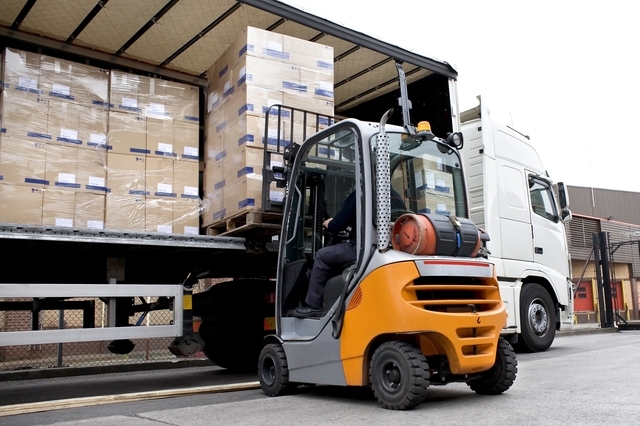
Cross-docking is a logistics method currently widely used, especially in the distribution phase of the supply chain. This solution allows for the simultaneous reduction of transport and warehousing costs, which account for the largest shares of total logistics costs. The application of cross-docking contributes to the optimization of the supply chain as a whole.
Cross-docking is a “textbook” method described in literature on management logistics and operations research. Its essence lies in transshipping goods immediately after delivery to the warehouse and dispatching them to their destination immediately (without storage). The literature distinguishes three forms of cross-docking: picking transshipment, direct transshipment, and inter-docking. Picking transshipment involves breaking down large one-time deliveries in the warehouse into smaller ones, assembling them according to current orders, and directing them to the points of demand. In the case of companies using road transport, direct transshipment involves reloading all goods from one vehicle to another at distribution centers. Inter-docking is the reloading and distribution of goods from distribution center vehicles onto vehicles delivering goods to final destinations. Cross-docking requires the synchronization of goods flows directed to the distribution center and further to consumers.
Advantages of cross-docking
The effectiveness of cross-docking is based on the cooperation and coordination of activities between both sides of the supply chain. A cross-docking center does not operate in isolation, so it cannot be optimized independently of other links in the chain. The success of implementing cross-docking as a distribution method depends on how well the entire system is designed and managed. The main advantage of this method is the reduction of inventory in the distribution center while simultaneously improving transport efficiency. A characteristic feature of cross-docking is a very clear reduction in delivery times compared to traditional supply systems. Further benefits also include improving the quality of goods delivered to the point of demand, as thanks to the shortened transport time, goods can be replenished faster and unsold surpluses do not arise due to the expiration of product shelf life.
The article contains 15,620 characters.
Source: Logistyka Magazine