








The year 2025 will bring further significant changes shaping the labor market. Automation, cultural diversity management, and new regulations in the area of remuneration are primarily posing questions to companies about the future of their HR strategies. How can these challenges be addressed and turned into opportunities? Job Impulse, a member of the Polish HR Forum, points out the directions for action.
The paradoxes of automation – robots at work, stress in the team
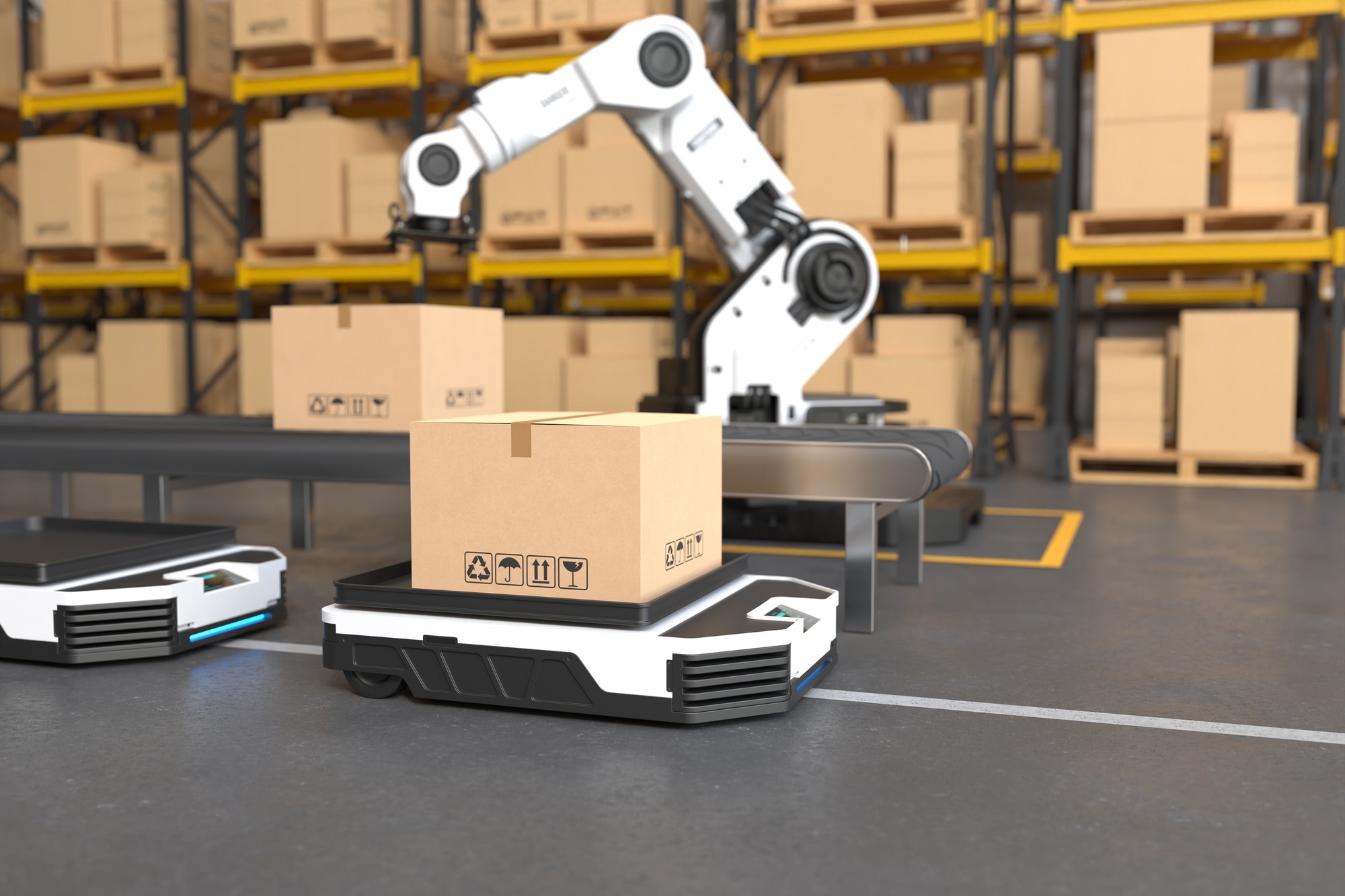
Automation and artificial intelligence are increasingly changing the manufacturing and logistics industry. For example, this year, DHL Supply Chain opened the first fully automated warehouse in Central and Eastern Europe in Gorzów Wielkopolski, based on AutoStore technology. A fleet of 25 robots operates in the facility, handling warehouse operations. Similar solutions have been applied in the DB Schenker contract logistics warehouse in the Czech Republic, where over 100 autonomous mobile robots (AMRs), packing lines, and an automatic sorter have revolutionized logistics processes, significantly improving the speed and quality of service.
Automation is intended to support human work and optimize processes; however, as the “Accenture Life Trends 2025” report indicates, the growing role of technology in the workplace can lead to technological stress and information overload, especially where the implementation of new solutions takes place without adequate support for employees. Instead of the expected increase in efficiency, companies often face the problem of professional burnout and a decline in staff motivation.
– To counteract these phenomena, it is necessary to invest in upskilling and reskilling – processes that enable employees to acquire new competencies and adapt to the dynamic requirements of the labor market. Such actions not only increase the adaptability of teams but also build a sense of security in the face of technological changes. Organizations that focus on developing the skills of their employees will not only gain a competitive advantage but also avoid costs resulting from turnover or a decline in staff engagement – says Łukasz Koszczoł, CEO of Job Impulse.
Boundaries are fading – managing cultural diversity
The logistics, warehousing, and manufacturing sectors have been struggling with staff shortages for years. Faced with difficulties in filling vacancies, companies are increasingly reaching for employees from abroad. According to Statistics Poland (GUS), at the end of June 2024, 1,032.6 thousand foreigners from over 150 countries were working in Poland, which accounted for 6.7% of all people performing work. The largest group consisted of citizens of Ukraine, followed by Belarus, India, Georgia, Moldova, and the Philippines.
As a result, companies are creating multicultural teams, and diversity management is now a necessity – effective communication, integration, and taking cultural differences into account are key challenges that determine employee satisfaction.
– It is becoming extremely important to create and implement adaptation programs that take into account cultural and linguistic differences as well as the specifics of working in Poland. Standard onboarding processes often prove insufficient for foreigners, which is why dedicated procedures that respond to their specific needs are essential. As an employment agency, we know these challenges perfectly well and support employers and employees every day in the effective implementation of appropriate strategies – emphasizes Łukasz Koszczoł.
Wage transparency and the employer’s position
From January 1, 2025, the minimum wage in Poland will increase to 4,666 PLN gross, and the minimum hourly rate will be 30.50 PLN. Although the goal of this raise is to improve the financial situation of the lowest earners, it poses a significant and complex challenge for employers.
One of the key problems is the flattening of the salary structure. The increase in the minimum wage leads to a reduction in the differences between the earnings of employees with different levels of experience and qualifications. Job Impulse experts emphasize that in this context, another upcoming change should be taken into account now – the obligation of pay transparency, which, in accordance with the EU directive, will enter into force in 2026. Employers will be required to disclose rates in job advertisements and ensure the transparency of pay policies within the organization. This requires a thorough analysis and potential revision of current salary structures to avoid potential conflicts and ensure compliance with new regulations. A lack of preparation for these changes may burden not only the finances of companies but also their reputation on the market, weakening their position as an attractive employer.
– The obligation of pay transparency may strengthen competition between companies, which will have to offer more attractive conditions to attract candidates. In the warehousing and logistics sector, where employee turnover is high, such changes may additionally make it difficult to stabilize teams – adds Łukasz Koszczoł from Job Impulse.
As can be seen, the year 2025 also brings less obvious challenges for employers that can significantly affect the future of their companies. Automation offers greater efficiency but also carries the risk of a sense of uncertainty among employees. The globalization of teams requires effective diversity management, and the raise and pay transparency force companies to redefine transparency and competitiveness. The key task will be to transform these challenges into an opportunity for development.
Source: Job Impulse