








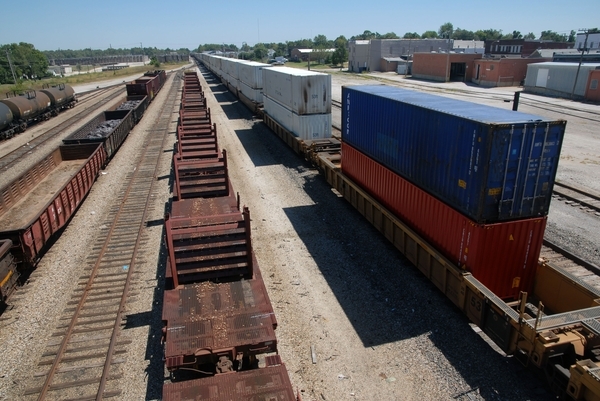
The dynamic development of industry imposes the need for development on other sectors of the economy. One of them is transport. With diverse production processes carried out by a single factory, various sub-assemblies and parts are also required.
Often, the execution of specific production processes is determined by the individual needs or preferences of the clients. In order not to lose space for storing raw materials, fast, and more importantly, timely delivery of specific goods is becoming increasingly important. Carriers are facing ever-higher reliability requirements. To meet these expectations, the quality of individual means of transport is being improved. The safety of all road users is being improved. However, searching for alternative solutions has a significant impact on the entire process. The road transport network is the most developed in Poland. For this reason, this branch of transport also carries the largest share of cargo. For the transport of bulk cargo, railway wagons or pushed barges work much better. Interweaving them allows for increasing the reliability of such a combined transport system. Furthermore, using these branches of transport is less burdensome for other road users. Rail and inland waterway transport could carry out some processes independently, but by increasing the number of alternative routes along which cargo can be transported, the flexibility of the entire system is increased. The study discusses the possibility of assessing the reliability of a transport system using reliability structure analysis. Due to the specificity of transport systems, reliability is understood as the punctuality of deliveries. The considerations were based on the example of an existing combined water-rail transport system, continuing the work contained in [8].
Infrastructure in a combined transport system
When analyzing a transport process, proper decomposition of the system is of great importance. The appropriate detailing of infrastructure elements and potential reasons for their unavailability is also significant. Below, point and linear infrastructure for water and rail transport and the contact points of both are presented. The most common reasons for the unavailability of individual elements and their impact on the availability of the entire system are also presented. (…)
The article contains 26,167 characters.
Source: Logistyka Magazine
Reliability structure analysis inland shipping, rail transport – PDF file for download