








Shipping goods using vessels and cargo handling points in ports is one of the oldest forms of freight forwarding. Seaports around the world have undergone significant transformations over the last 30 years. Among other things, the structure of cargo turnover has undergone significant changes.
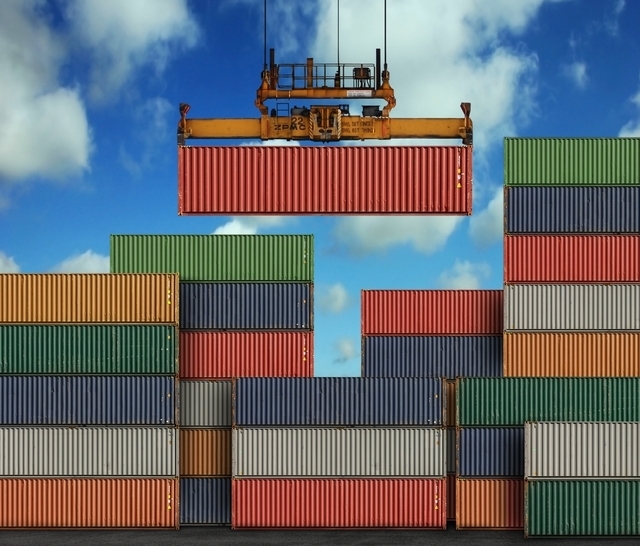
This has been manifested by an increase in the transport of processed goods, which were primarily transported in unitized form. Furthermore, new distribution and logistics services have been introduced, and other services related to industrial activity, such as transport chain integration and cluster creation, have also developed. Container shipments represent a forward-looking form of maritime transport, and their particular advantages include: high container mobility, flexibility in transport (specialized containers), lower freight costs, predictability of freight costs, and ease of container storage in ports. Containerization is therefore a generator of change, not only in adapting ports and ships, but it also changes the face of the entire transport system. European ports no longer serve only as transshipment points, but form the basis for alternative transport solutions related to innovation and a constant striving to improve customer service quality.
The development of containerization
Containers began to be used on a mass scale in maritime transport at the turn of the 1960s and 1970s; this period marked the first stage of containerization, which revolutionized the transport of break-bulk cargo by sea. Significant economic development in the United States in the 1960s influenced the increase in trade in Europe and thus influenced the creation of an increasing number of permanent transatlantic connections, starting from the port of Rotterdam, and subsequently in Bremen, Antwerp, and Hamburg. Furthermore, there was also significant development in container transport between Asia and America and Europe. Hong Kong, then under British jurisdiction, intensively developed global trade with the USA and Western Europe, which caused the port of Hong Kong to become the largest port in the world. The significant share of container transport between Hong Kong and China also triggered the rapid development of Chinese ports. A very important factor became fast goods deliveries in a door to door relationship. To this end, various types of container designs and increasingly larger and faster maritime vessels began to be introduced. The idea of the container chain is the mutual cooperation of individual branches of transport in order to create lasting transport links.
The article contains 12,860 characters.
Source: Logistyka Magazine