











In marketing literature, distribution is perceived as one of the four instruments of the marketing mix. Distribution activities play an important role in achieving satisfaction for customers waiting for a product they have purchased.
Alongside customer satisfaction with product quality and an attractive purchase price, the speed and reliability of delivery, warranty, product availability, convenient sales terms, etc., are of great importance. Distribution in the food products market is crucial due to the specific nature of food items. Food products are often characterized by a short shelf life from the moment of production to final consumption. In the case of some food items, this period may be only 8-9 days. Due to such a short shelf life, there is a need to implement an efficient system for distributing products to the final buyer.
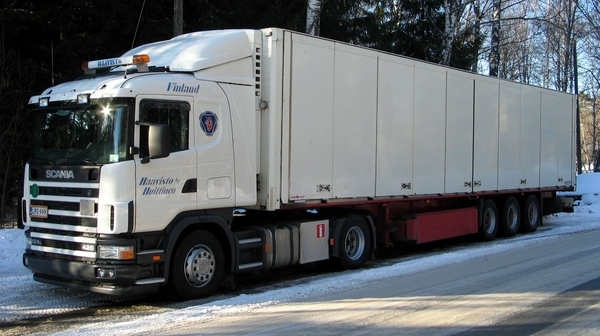
Delivering food products to their destinations requires specialized transport and equipment. The vast majority of food items are delivered using trucks and specialized delivery vehicles, such as refrigerated and freezer trucks, which ensure transport temperatures of +2 to +8ºC for refrigerated vehicles and below –18ºC for vehicles transporting deep-frozen items. Some food products, e.g., deep-frozen ones, require the maintenance of a so-called “cold chain” during delivery processes to ensure the appropriate sub-zero temperature is maintained.
An efficient food distribution system is not the only reason why manufacturing enterprises or logistics companies should create the most favorable solutions for delivering products to final buyers. The second reason, alongside efficient distribution, is delivering food goods according to a sustainable concept. Sustainable distribution by enterprises involves considering environmental and social aspects while simultaneously ensuring the company’s economic goals. The way products are delivered under the sustainable concept can become a source of competitive advantage not only for enterprises involved in the production of food items but also for other organizations involved in the production and distribution of their goods.
The article contains 18,730 characters.
Source: Logistyka Magazine