











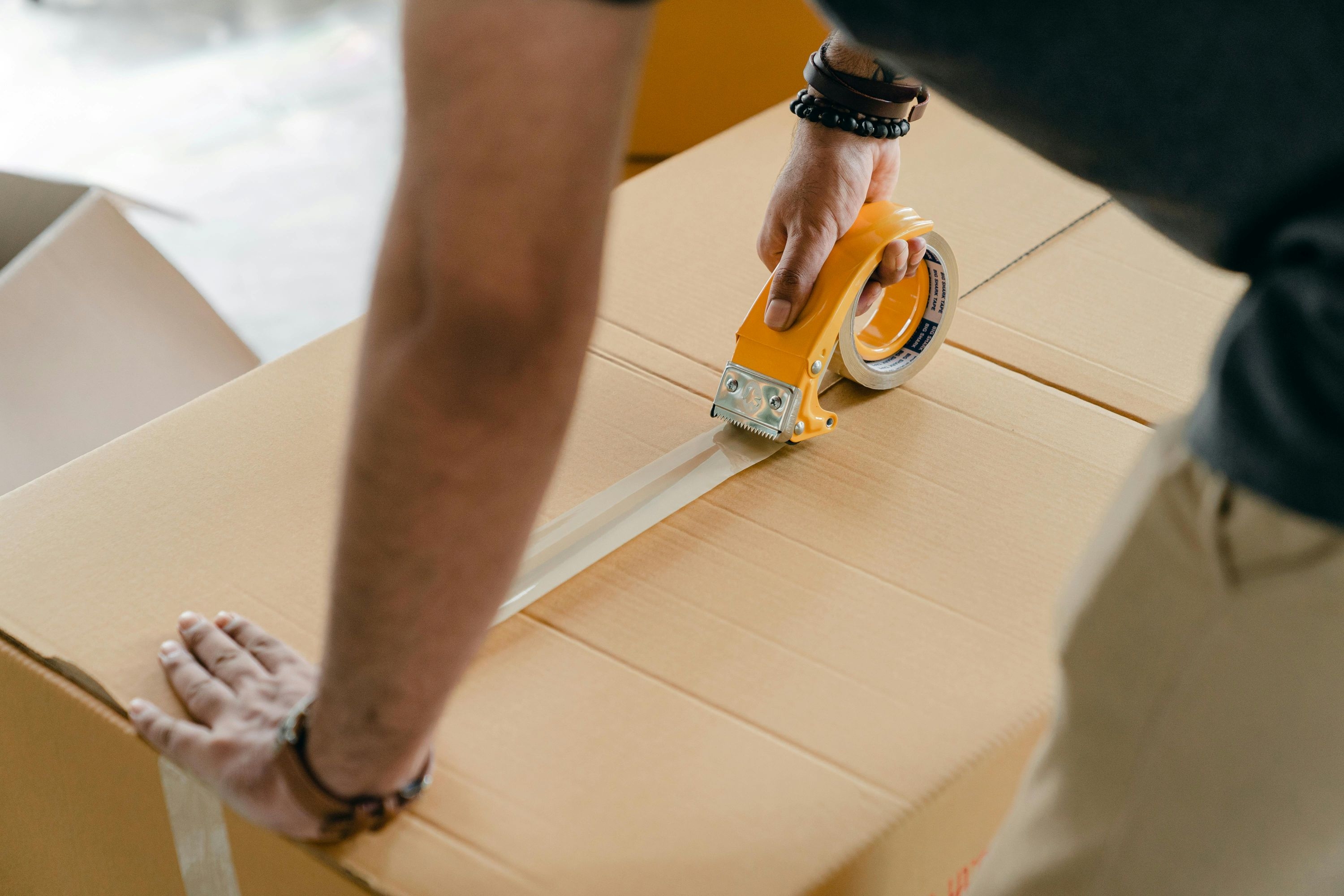
Modern economic sectors, such as aerospace, defense, agriculture, and industrial automation, rely on complex and interconnected supply chains. To source parts like connectors and cables, many companies must work with a large number of suppliers and deal with fragmented orders and even unpredictable delivery times. Daniel Cross, Sales Director for the UK and Ireland at connector distributor PEI-Genesis, explains here how kitting streamlines the procurement process, reduces errors, and accelerates assembly by delivering the right parts in one organized set.
Research by McKinsey shows that aerospace executives reported an 18-fold increase in supply chain disruptions between 2014 and 2022, indicating the growing complexity of procurement in this market.
Addressing the challenge of procurement complexity
One of the major challenges in many economic sectors is the fragmentation of procurement. When you have to turn to many different suppliers to source critical components, the administrative burden grows very quickly. For example, a company in the precision agriculture sector must on average spend several days struggling with complex purchasing processes to deal with fluctuating prices of various components and delivery delays.
Manufacturers in the aerospace and defense sectors face similar difficulties, and strict quality control rules further intensify the consequences of even minor procurement errors. A recent media analysis showed that defense supply chains are becoming increasingly vulnerable. It also mentions that current disruptions have a significant impact on weapons production and US national security.
In addition to lost time, the effect of such fragmentation is also a reduction in a company’s ability to quickly adapt to changing market requirements. This can have a detrimental effect on project schedules and profitability.
Strategic benefits of custom kitting
Custom kitting is becoming increasingly popular as it directly addresses the problem of inefficiency in purchasing processes. Organizations can streamline the ordering process and spend less time on administrative tasks by combining components such as connectors, cable ties, backshells, and other accessories into a single kit. Purchases that might have once taken hours or even days can now be handled in minutes.
Customized kits also reduce assembly errors and equipment downtime, as all necessary parts are delivered together. This method supports demand forecasting, meaning suppliers can ensure product availability according to projected needs, which improves inventory management and reduces the risk of costly delays caused by missing parts or changes in delivery dates.
Another advantage is the ability to simplify large-scale projects. In sectors requiring field installation, such as defense and industrial automation, pre-assembled custom kits are useful, ready for immediate use upon delivery. In the aerospace sector, custom kits streamline operations on aircraft assembly lines by grouping necessary components into easily accessible, pre-prepared sets.
Towards sustainable development
Kits not only provide greater efficiency but also offer measurable environmental benefits. Packaging waste and greenhouse gas emissions from transport can be significantly reduced by combining products into kits that require fewer shipments. This means a reduction in material waste, less need for storage space, and lower logistics costs.
As global markets increasingly focus on sustainability issues, the solutions discussed here align with corporate responsibility initiatives and increasingly stringent regulatory requirements. Sectors such as aerospace and defense are particularly active in this area, increasingly emphasizing environmentally friendly innovations and supply chain practices as strategic goals.
Results in practice
The positive effects of offering custom kits are already clearly visible. For example, Tillet and Hague Technology (THT), operating in the precision agriculture sector, streamlined its connector purchasing by using custom kits provided by PEI-Genesis. Before this change, the company’s purchasing process regularly required several hours or even days. The custom kit offer reduced this time to about 10 minutes per order, which translates to roughly three full days every five months.
THT also increased production from 100 units per year to over 1,000, which was achieved mainly thanks to a more efficient purchasing process. Cost savings were equally impressive, as consolidated orders allowed for lower transport fees and stable pricing.
Such results are not limited to agriculture. Similar benefits are possible in the defense, aerospace, energy, and industrial automation sectors.
Custom kitting is a step forward in solving the problems of modern supply chains. For sectors struggling with increasingly complex procurement processes, growing pressure from environmental protection issues, and the need for continuous efficiency improvements, custom kits offer an intelligent and practical solution.
For sectors looking to build resilient and future-ready supply chains, the introduction of custom kits may soon become standard practice.
Source: www.peigenesis.com