











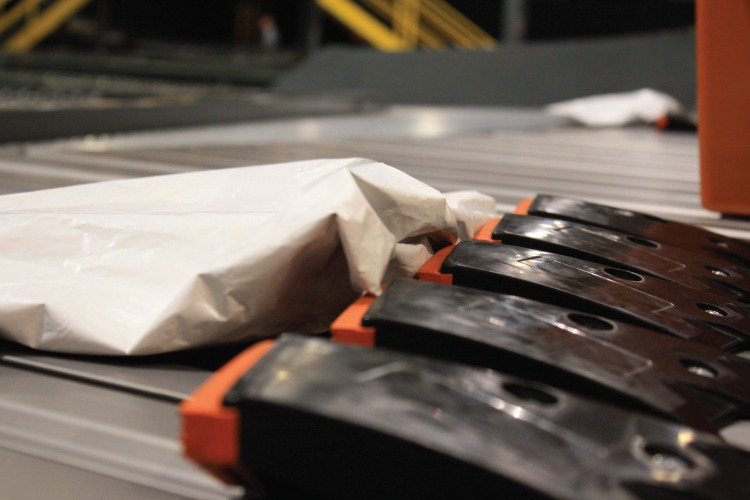
From large central hubs that pre-sort massive volumes of goods to smaller distribution centers (DCs) handling last-mile deliveries, the postal and parcel delivery industry in Europe, the Middle East, and Africa (EMEA) relies on the continuous flow of goods from station to station without delays.
In recent months, the postal and courier industry in the EMEA zone has been overwhelmed by unprecedented growth, following years of gradual adaptation and modernization processes aimed at adjusting to a steady 9% volume growth over the decade. However, in just three months, the industry faced a staggering 40% volume increase, another 40% jump in the following quarter, and then a 25% growth throughout 2021.
During a period that operators described as a “350-day peak season per year,” the industry is now more than ever dependent on the efficient and reliable operation of mail and parcel flow. If congestion or a bottleneck occurs at any link in the chain, slowdowns propagate throughout the entire chain, causing problems and costly delays.
Regardless of whether we are dealing with a giant logistics company like DHL, UPS, or FedEx, which possesses extensive automation, or a rapidly growing postal and courier market largely dependent on manual labor, existing infrastructure and processes are simply unable to meet the growing demand.
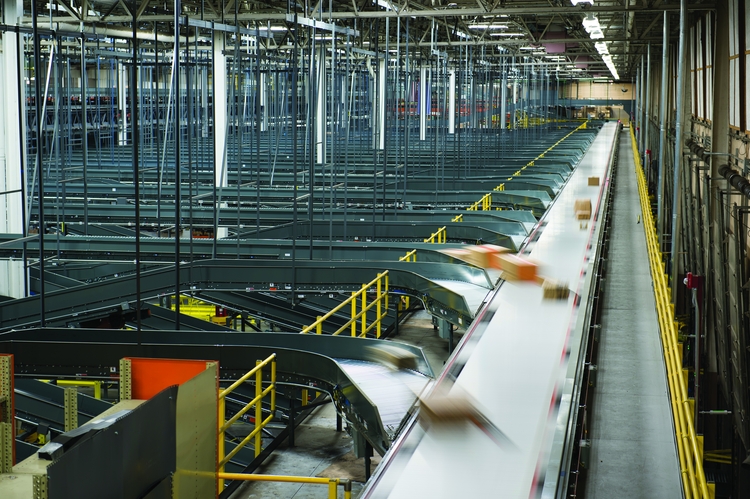
Suppliers of material handling equipment (MHE), system integrators, and developers of software and control platforms tailored to industry specifics are mitigating problems and challenges that seem insurmountable for postal and courier companies in the EMEA zone. Scalable and modular automation solutions give logistics managers, regardless of facility size and budget, the ability to solve the most important problems related to systems and processes, such as: reliance on manual labor, very limited workspace in the EMEA market, the proliferation of new types of product packaging, low accuracy levels, high return rates, and frequent slowdowns and downtime.
Thanks to investments in advanced parcel handling solutions, intelligent robotics, innovative software platforms, and analytics, postal and courier companies of any size can be equipped to achieve higher levels of efficiency, order fulfillment accuracy, and throughput.
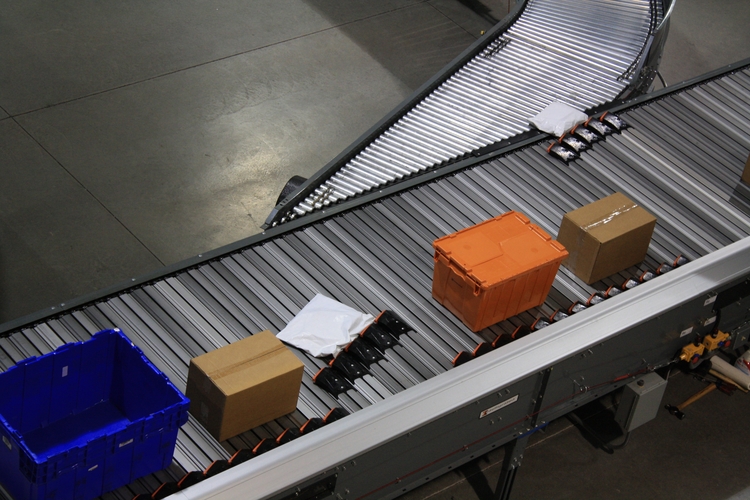
Cross-belt sorters and sliding shoe sorters are becoming increasingly essential in operations of all sizes at postal and courier companies. MHE automation suppliers have introduced cross-belt sorters to the market designed to handle small and medium-sized items, fragile and friction-prone, and thus with significantly higher discharge accuracy. High-density sliding shoe sorters offer fast, precise routing of products of various sizes and types, as well as packaging – from oversized boxes to polybags, ensuring gentle control and reduced impact speed without compromising throughput or accuracy.
To learn more about the results of working with a major MHE automation provider, system integrator, and developer of industry software and control platforms, such as Honeywell, in meeting your company’s diverse requirements for future growth and peak operational performance, please visit sps.honeywell.com.