











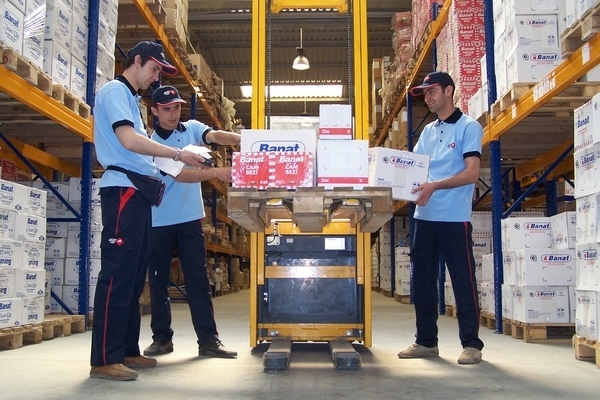
Manual handling operations constitute one of the basic groups of work activities characterized by a significant level of risk, especially if these tasks are performed contrary to recommendations regarding the minimization of existing loads. The occurrence of loads and the consequences caused by them oblige the employer to implement solutions that limit the possibility of accidents and illnesses related to the work activities performed.
This should be identified as the employer’s fundamental duty arising from the Labor Code, which requires ensuring healthy and safe workplaces, conditions, and methods of performing work. These are requirements relating both to general criteria for ensuring safety and to specific requirements regarding the method of performing manual handling operations.
The study characterizes the legal requirements regarding the performance of manual handling operations. European law regulations and national legal requirements, which are largely an implementation of European regulations, have been taken into account. Attention was drawn to their varying level of detail, related primarily to the nature of technical provisions concerning, for example, the mass of transported loads, the forces required to perform specific tasks, and criteria addressed to specific groups of employees, e.g., juvenile workers and women. Based on the characterized legal requirements, the basic principles of safe manual handling operations were defined.
Characteristics of manual handling operations in legal requirements
In the applicable legal regulations, the term manual handling operations is understood as any type of transporting or supporting objects, loads, or materials by one or more employees (§2, item 1). This category includes all methods of moving loads, i.e., lifting, raising, stacking, pushing, pulling, carrying, sliding, rolling, or transporting.
Legal regulations introduce a division of transport activities into: individual, i.e., performed by one employee, and team-based, when at least two employees are simultaneously involved in the transport of one load.
A separate group of tasks consists of transport activities performed with the use of auxiliary equipment, aimed at reducing the risks and burdens associated with the manual movement of loads or materials and facilitating the performance of these activities. Auxiliary equipment includes belts, ropes, tapes, chains, slings, levers, grippers, rollers, tongs, handles, pulleys and rope blocks, adjustable ramps, wheelbarrows, and carts (§2, item 3).
The article contains 30,880 characters.
Source: Logistyka Magazine