








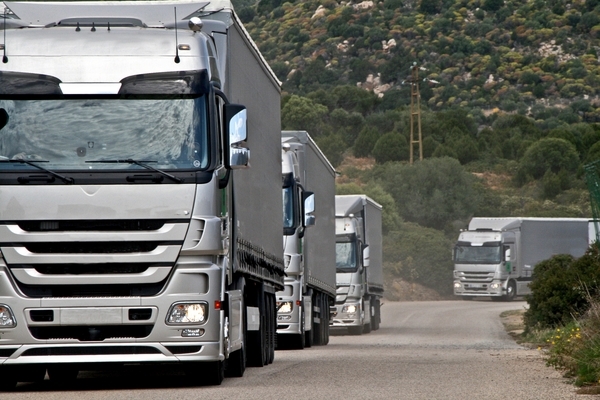
The Polish government plans to modify the way transport is carried out in our country by introducing mandatory monitoring. What is this monitoring supposed to entail and what obligations will the carrier be subject to?
Expert response: The Polish legislator is working on the Act on the road transport monitoring system for goods. Currently, the draft act is at the consultation stage. According to government plans, this project was supposed to enter into force in January 2017, however, as a result of ongoing work on the act, the date of entry into force of the regulations was postponed to February 1, 2017. The draft act assumes the introduction of monitoring for the transport of goods carried out by road. These will appropriately cover:
• transport of goods starting in the territory of Poland (so-called export of goods outside the borders of Poland);
• transport of goods from an EU member state or from a third country to the territory of Poland (so-called import);
• and transport of goods from one member state to another member state or a third country (so-called transit through the territory of Poland).
All these transports will be possible only and exclusively after registration in a specially created system enabling the monitoring of the flow of goods. Additionally, transport companies will have to install special GSM-GPRS devices (so-called locators) in their trucks, thanks to which offices will be able to track the movement of goods within the territory of Poland. You can familiarize yourself with the scope of transport to be covered by the transport monitoring system in the publication “We know the list of proposed transports not covered by the goods transport monitoring system”.
According to the planned draft act, the main duties of the vehicle driver will include:
1. In the case of transport of goods starting in the territory of the country:
1.1) before starting the transport of goods, complete the notification with:
a) registration number of the means of transport,
b) data of the driver of the means of transport,
c) date of the actual start of transport,
d) place of delivery of goods or completion of transport in the territory of the country,
e) individual locator number,
f) number of the transport document accompanying the transported goods;
1.2) after completion of the transport of goods, complete the notification with the date of completion of transport in the territory of the country.
2. In the case of transport of goods from a member state or from a third country to the territory of the country:
2.1) before starting transport in the territory of the country, complete the notification with:
a) registration number of the means of transport,
b) data of the driver of the means of transport,
c) place and date of the start of transport in the territory of the country,
d) road permit number, if required,
f) address data of the place of delivery of goods,
g) individual locator number,
h) number of the transport document accompanying the transported goods;
2.2) after delivery of the goods, complete the notification with the date of completion of the transport of goods in the territory of the country.
Additionally, in the case of transport of goods from one member state to another member state or a third country, the driver of the means of transport is obliged to send a notification to the register before starting transport in the territory of the country and obtain a reference number for this notification. The sending entity, the receiving entity, and the driver of the means of transport will also be obliged to immediately update the data contained in the notification. Finally, it is worth pointing out that the main reason for introducing transport monitoring is, as indicated by the Ministry of Development and Finance, to seal the tax system.
Legal basis:
- Act of July 7, 2016, on the amendment of the Act on Tax on Goods and Services and certain other acts
- Draft act on the road transport monitoring system for goods of November 10, 2016
- Legal status of the publication (date): 2017-01-01