








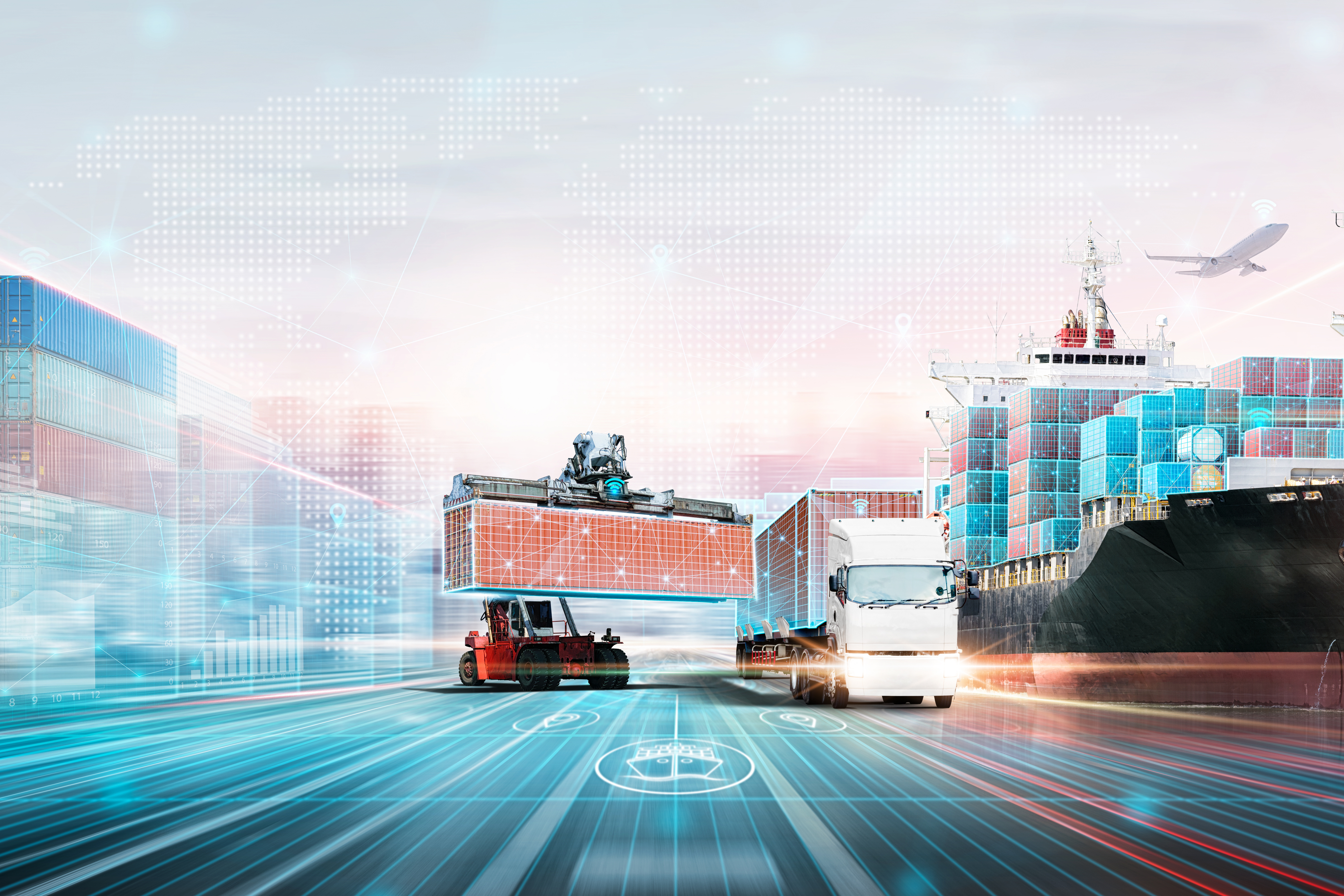
The transport, forwarding, and logistics (TSL) sector focuses on employees and technologies that build organizational resilience
The dynamic nature of the business world, resulting from constantly changing external conditions, consumer trends, and rapidly developing modern technologies, forces companies to be flexible and adapt efficiently to new rules of the game. In a globalized economy, supply chain management and resilience play a key role in achieving long-term success. The efficiency of this area is influenced more than ever before by progressive digitalization and automation, which bring with them a demand for new talents and skills among supply chain participants.
Digital solutions in the supply chain can bring about a near-revolutionary change. They allow for real-time control of the transport process, rapid response to disruptions, and, above all, the introduction of significant savings. From IoT (Internet of Things) to Big Data or artificial intelligence (AI), new technologies used in the logistics sector are already providing tangible examples of success because they ensure greater visibility, which allows for smarter decisions that increase the efficiency and reliability of operations.
– Rapid technological changes and the associated legislative changes directly affect the supply chain industry. It is important for us, in the face of these changes, to be close to our business partners, listen to them, and adapt to their needs. It is equally important to develop our current staff and attract new talent to keep pace with this rapid progress – says Aleksandra Zajączkowska, Senior Sales Manager, CHEP Poland and the Baltic countries.
According to a 2024 report by SAP and Kühne Logistics University[1], enthusiasm for implementing new technologies clashes with the problem of a lack of qualified employees and the increasing complexity of solutions. Technological progress is occurring at an unprecedented pace. Industries are constantly developing new tools, systems, and methods aimed at improving efficiency, productivity, and competitive advantage. Companies feel the pressure to quickly implement these new technologies and stay ahead of or keep up with the competition. However, sometimes the adoption of new technologies is faster than the pace at which employees’ skills and capabilities can adapt. Moreover, using many new technologies requires highly specialized knowledge and experience, demanding niche skills.
Enterprises have a key role to play in creating more effective and up-to-date training programs tailored to the needs of the industry. One must start by promoting a culture of continuous learning to ensure that employees have the opportunity to keep up with technological progress. Furthermore, offering competitive compensation, a flexible work environment, and career development opportunities can help attract and retain qualified employees.
By understanding this dynamic, enterprises can better develop a strategy for managing the implementation of new technologies despite the challenges posed by the shortage of qualified employees and the growing complexity of modern solutions.
Collaboration as a pillar of supply chain resilience
The breakthrough year of 2020 for supply chains brought changes in the long-term perception of the strengths of logistics processes. It was then that in a Deloitte study, over 25 percent of companies in the sector reported five times more supply chain disruptions than in 2019[2]. As a result, in 2023, numerous enterprises shifted their focus from efficiency to resilience, aiming for, among other things, flexibility and collaboration.
Developing coexisting, cross-functional, and trust-based relationships with partners in the supply chain and strategic networks allows for faster and more effective responses to unexpected disruptions. The employees of individual enterprises play a huge role in creating such collaborations. It is their communication skills, commitment, and ability that determine the pace and effect of the jointly developed response to unexpected events affecting the supply chain.
Supply chain flexibility and resilience are also increased by digitalization and automation. Thanks to real-time data monitoring and rapid response to changes, companies can better adapt to changing market conditions. Advanced IT and automated systems allow for earlier detection of problems and optimization of processes based on Big Data. Furthermore, the implementation of automation and artificial intelligence to perform routine tasks can allow qualified employees to focus on more complex problems.
Experience as the foundation of effective innovation
All innovative solutions and trends in the TSL sector are only as effective as their implementation. Many years of experience and a leading position in the industry allow for deep insight into the potential effectiveness of new systems, collaboration models, or processes. Therefore, responsible companies invest in both technological development and the competencies of their employees, co-creating modern and sustainable supply chains. Such practices increase operational efficiency, ensure high ethical standards, and contribute to long-term success and business stability.
[1] https://www.sap.com/documents/2024/02/cef82b9a-ad7e-0010-bca6-c68f7e60039b.html
[2] https://www2.deloitte.com/content/dam/Deloitte/dk/Documents/Consulting/Resilience-Report-Marts-2023.pdf
Source: CHEP Poland