








PKP Intercity declares further investments by the carrier in eco-friendly solutions. Trains are among the most ecological means of transport, which is why they represent the transport of the future.
Modern, environmentally friendly trains and locomotives
The Pendolino, PesaDART, and FLIRT3 trains in the PKP Intercity fleet were designed with environmental protection in mind and built from ecological, recyclable materials. An energy recovery system allows the trains to feed energy generated during braking back into the overhead line. Modern electric multiple unit (EMU) trains are quieter than other trains. Furthermore, acoustic insulation results in lower noise emissions inside the vehicle, which increases travel comfort and improves working conditions for train crews. Additionally, an increasing number of PKP Intercity trains are being equipped with closed-circuit toilets, which helps protect the soil and groundwater. A tender is currently underway for the purchase of another 12 modern multiple units that will be environmentally friendly.
Ecological solutions can also be found in PKP Intercity locomotives. Modernized SM/SU42 series vehicles and new SU160 locomotives feature engines that meet new exhaust emission standards. This allows for a significant reduction in particulate matter and nitrogen oxide emissions, which effectively contributes to lower air pollution.
– Rail is the most ecological means of transport among those with which it competes most strongly. It is the transport of the future, perfectly fitting into the idea of sustainable transport – says Marek Chraniuk, President of the Management Board of PKP Intercity.
Repairs, maintenance, and cleaning
Not only the operation of rolling stock but also the repair, maintenance, and cleaning of vehicles play a significant role in reducing the emission of harmful substances. PKP Intercity uses substances compliant with strict European regulations and standards during technical work related to train inspections and servicing. The industrial and municipal waste management procedure introduced at PKP Intercity ensures that waste generated at technical facilities is first sent for recovery, including recycling, and subsequently, if not suitable for reuse, is disposed of.
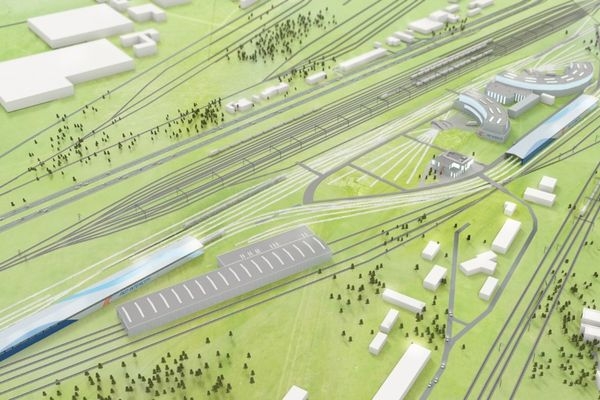
Additionally, as part of a 7 billion PLN rolling stock strategy, the carrier is modernizing 15 stabling yards. They will be equipped with, among other things, 7 automatic car washes with sewage treatment plants, greywater recovery, and rainwater harvesting technology. Year-round facilities will be equipped with photovoltaic panels, which will provide a source of energy for the car washes’ own needs. The applied solutions will allow for a reduction in water consumption and its return to the cycle for reuse.
Railway sidings
The PKP Intercity railway siding modernization and reconstruction program for 2018–2025 includes approximately 150 investments worth over 900 million PLN, taking environmental aspects into account. Modern technical facilities mean a reduction in negative impact on the surroundings by limiting the emission of pollutants into the soil, water, and atmosphere through lower exhaust, noise, and harmful substance emissions. And all this in compliance with applicable environmental and safety standards and a sense of responsibility.
In 2019 alone, 76 infrastructure investments were planned for stabling yards and accompanying infrastructure worth over 93 million PLN. The result will be improved efficiency and increased comfort of passenger transport in locations including: Wrocław, Warsaw, Gdynia, Przemyśl, Lublin, Kraków, Szczecin, and Poznań.
On board the trains
PKP Intercity is also taking steps to introduce ecological solutions on board its trains. Currently, meals and refreshments are served on PKP Intercity trains with care for the environment. On-site in the restaurant cars of EIC trains and in the catering segments of EIP (Pendolino) trains, meals are served on porcelain dishes with metal cutlery, similar to meals served in EIP first class. Meanwhile, in bar cars operating on EIC and IC category trains, passengers receive meals in cardboard disposable containers. In all train categories, the containers used for takeaway meals are made of sugarcane, while hot drinks are served in paper cups.
Currently, the carrier only uses plastic lids for cups, and in selected trains, some cutlery (fork, knife, spoon, stirrer) is still used. In the event of changes to regulations regarding the use of plastic, PKP Intercity will be ready to implement new solutions, which are already being tested independently. During the December Climate Summit (COP24) in Katowice, as part of a pilot project, cutlery made from ecological raw materials was added to meals on all trains running to and from Katowice.
Since 2010, PKP Intercity has been successively implementing measures aimed at protecting the natural environment. In 2015, the Company updated its Environmental Policy, in which it committed to applying responsible environmental protection practices in all areas of its operations.