











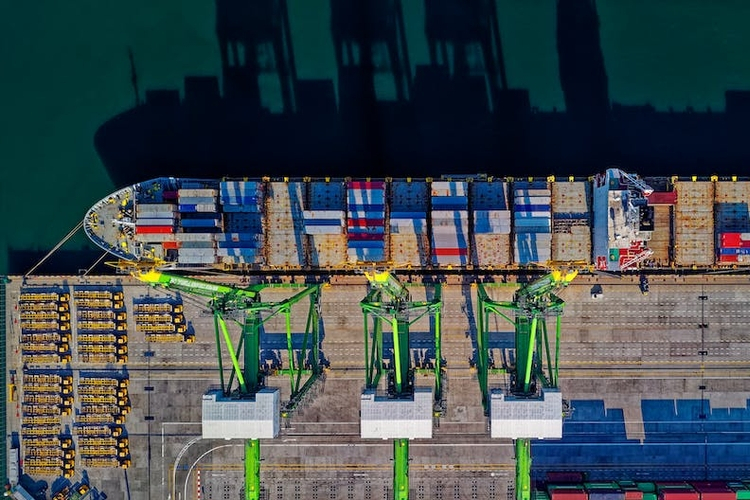
Multimodal transport, also known as combined transport, refers to the use of at least two different modes of transport to carry goods from the point of origin to the destination without changing the loading unit. In other words, goods are transported in the same loading unit (e.g., a container) using various forms of transport, such as road, rail, sea, or air, under a single transport contract. The key elements of multimodal transport are supply chain integration, cost-efficiency, flexibility, and the reduction of environmental impact.
The development of multimodal transport in modern logistics
In recent years, we have observed a dynamic development of multimodal transport, driven by the globalization of trade, progressive urbanization, and growing environmental awareness. Increased requirements regarding logistics efficiency and sustainable development are prompting companies to seek optimal transport solutions that can be offered by multimodal transport.
On one hand, technological progress, such as the development of Intelligent Transport Systems (ITS), improves the coordination and management of goods flows within multimodal transport. On the other hand, increasing support from governments and international organizations, through the creation of favorable regulations and investments in transport infrastructure, is opening up new opportunities for the development of this form of transport.
Multimodal transport plays a key role in building sustainable and flexible supply chains, which is particularly important in the face of challenges such as climate change, traffic congestion, or fluctuations in global markets. By integrating different modes of transport and optimizing logistics processes, multimodal transport contributes to increasing the competitiveness of enterprises and improving the quality of logistics services in the global market.
ColliCare, as a company specializing in logistics services, plays an important role in shaping the future of multimodal transport. The company operates in many markets and aims to promote and develop this innovative form of transport.
Benefits of multimodal transport for business and the environment
Multimodal transport offers numerous benefits for both businesses and the natural environment.
For business
- Cost optimization: Thanks to the ability to choose the most efficient modes of transport at different stages of the route, companies can achieve significant transport cost savings.
- Flexibility and speed: Multimodal transport allows for adaptation to changing market and operational conditions, which increases delivery flexibility.
- Increased logistics efficiency: The integration of different modes of transport and supply chains contributes to improved supply chain management, shortening delivery times and reducing the risk of delays.
- Global accessibility: Multimodal transport enables global accessibility of goods, which is particularly important in international trade.
For the environment
Reduction of CO2 emissions: Route optimization and the choice of more eco-friendly modes of transport contribute to the reduction of carbon dioxide emissions, which aligns with sustainable development goals.
Less pressure on infrastructure: Due to the efficiency of multimodal transport, transport infrastructure is less burdened, which positively affects its durability.
Challenges and obstacles in the implementation of multimodal transport
Despite numerous advantages, there are also challenges and obstacles associated with the implementation of multimodal transport.
Challenges
- Coordination and communication: Coordinating different modes of transport and supply chain participants requires effective communication and management.
- Regulations and laws: Different regulations and laws concerning various modes of transport can act as a barrier to integration.
- Investment costs: The implementation of multimodal systems and infrastructure can involve high investment costs.
- Security: Ensuring the safety of cargo during the change of transport modes is a key challenge.
Obstacles
- Lack of awareness: Some companies may not be aware of the potential of multimodal transport.
- Difficulties in coordination: Managing different suppliers and operators can be complex.
- Need for investment in technology: Using modern technologies to monitor and manage cargo requires investment.
Despite these challenges, multimodal transport remains a promising solution that can contribute to more efficient and sustainable movement of goods around the world.