











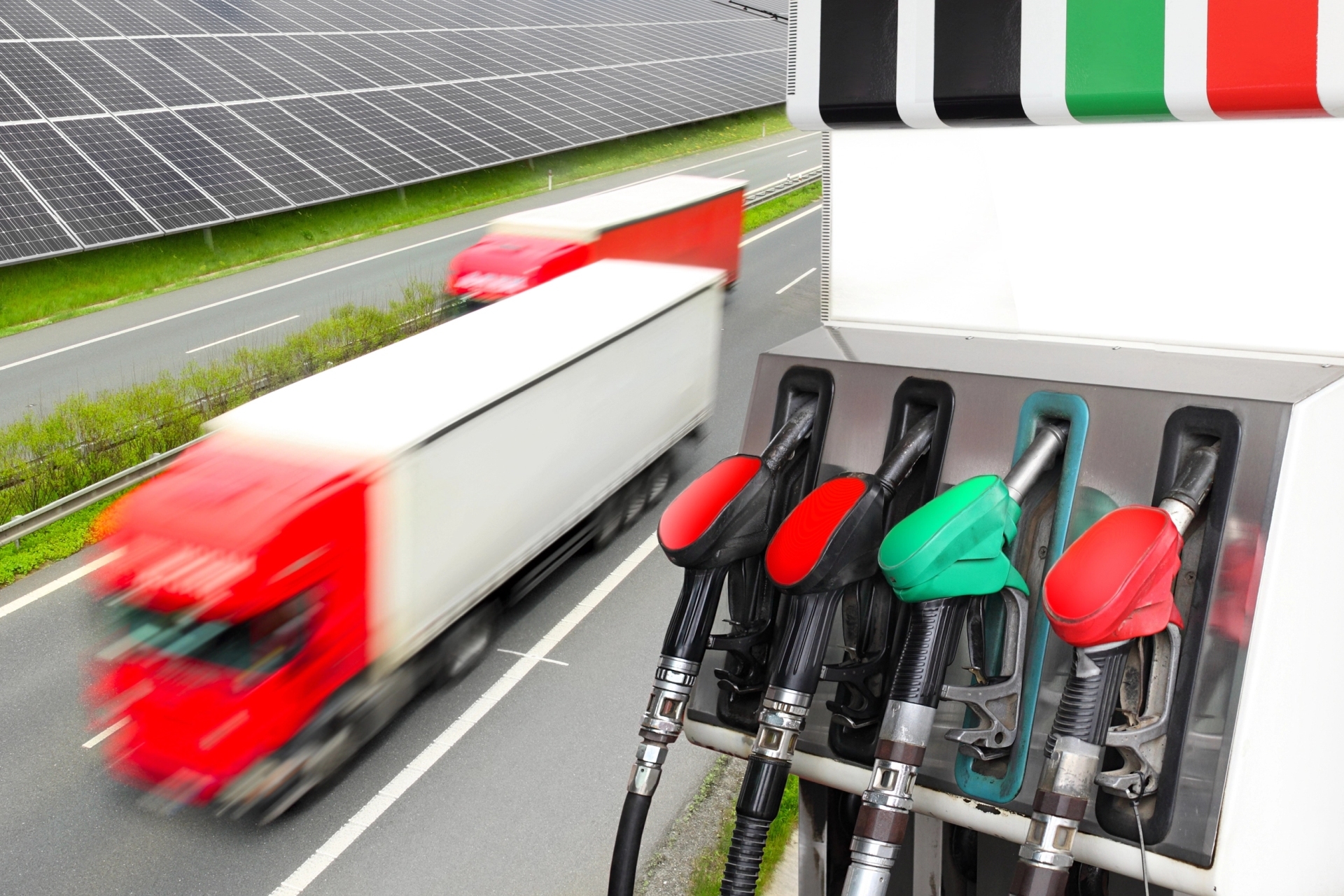
Concerns are emerging regarding the cost of diesel fuel due to the unstable situation in the Middle East. Since mid-June, the price of the raw material has risen by 10%. It fell slightly after the truce. A potential 1/10 increase in costs means 12,000 PLN in additional monthly expenses for a small transport company operating 5 vehicles; 4,000 liters of diesel can “evaporate” from the tanks every month. Polish transport companies have modern equipment and excellent drivers, but they lack the financial knowledge that allows them to mitigate economic turmoil. They carry out transport services “at cost,” which leads to company unprofitability.
The first half of this year seemed like a highway to success for the Polish TSL industry. GDP growth increased demand for transport services, and fuel costs were systematically falling. In January, the price of diesel was 6.20 – 6.30 PLN per liter, but in April it fell to about 6 PLN per liter. In May, those refueling heavy sets already saw a “five at the front.” Unfortunately, Israel’s attack on Iran changed everything. Within just two weeks of June, from 13.06, the cost of fuel on international markets began to rise. The price of WTI crude (West Texas Intermediate – one of the most important types of crude oil in the world) increased by 10 percent. The costs of Brent crude also rose. At the end of June, the price fell slightly. After the announcement of the truce, the black scenario of an Iranian blockade of the Strait of Hormuz, through which 1/5 of the world’s oil transport passes, will likely not materialize, but the situation in this region is far from complete stabilization.
The truce is good news, also for carriers, because we are unlikely to see diesel prices starting at 7 PLN per liter at gas stations in the near future. However, concerns about the security of raw material transport and its costs may keep prices at a higher level for some time. This shows how much carriers and the TSL industry are exposed to events from around the world. They should remember this and secure funds for potential sudden changes in fuel prices. It is one of the main components of a transport company’s operating costs, and every penny of price increase reduces the margin.
– says Jerzy Dąbrowski, Member of the Board at Finea.
The Finea expert gives an example of how recent price hikes could affect operating costs: a 10% increase in diesel costs means about 12,000 PLN higher monthly costs for a small transport company operating 5 vehicles (average fuel consumption 33l/100km, 12,000 km average monthly mileage per vehicle). In the case of a medium-sized company using 10 vehicles, this would mean an increase in costs of nearly 25,000 PLN. That is over 4,000 liters of fuel (at current prices) that can “evaporate”.
The risk associated with the situation in the Middle East is not the only one; there is also currency risk and trade wars. It is important to remember that the cost of diesel can change from week to week, which drastically affects the profitability of the transport business
– adds the expert.
New carriers start companies because they know how to drive, but not how to manage small business finances
Due to inflation and fuel cost volatility, access to liquid cash is becoming a strategic tool – it enables maintaining profitability and responding to changes in real-time. This is because the biggest challenge in the transport industry is the need to quickly settle operating costs – fuel, leasing, salaries – while waiting for payment from contractors for 30 or even 60 days. Such a payment gap generates a real risk of losing financial liquidity.
A common problem we encounter in conversations with carriers is a lack of financial awareness. Drivers start their own businesses without calculating the real costs of orders. Often, to win orders, they carry out transport services “at cost,” which in the long run leads to company unprofitability. Besides providing financing, we sometimes support – especially less experienced transport entrepreneurs – in planning cash flows and thinking in terms of order profitability. Factoring in this context serves an educational and disciplinary function.
– says Magdalena Martynowska-Brewczak, Member of the Board at eFaktor.
Various financing models, including factoring, can be helpful in situations of sudden and unexpected cost changes. It is better to receive funds from an invoice almost immediately after issuing it, rather than waiting, for example, 60 days. Faster money circulation also allows for taking advantage of discounts for quick payment (so-called cash discounts) or investing in development instead of freezing funds in invoices. Moreover, thanks to accelerated cash flow, large companies commissioning transport can offer their subcontractors faster payments, which is an important argument in the fight for the best contractors.
Source: Brandscope