











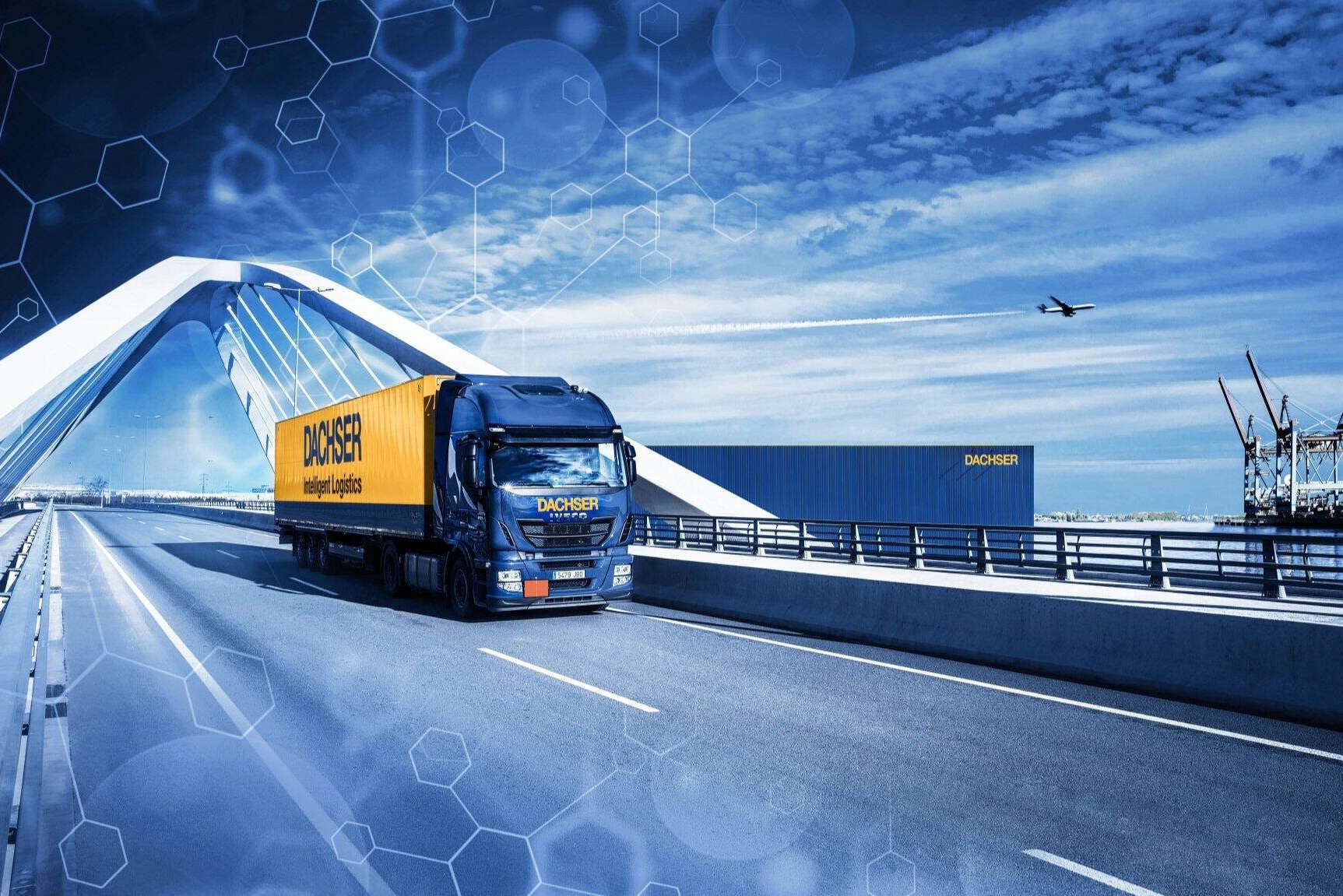
Chemical logistics is currently undergoing an intense transformation, driven by global megatrends such as climate change, digitalization, regionalization of supply chains, and increasing regulatory requirements. In response to these challenges, logistics and chemical companies should focus on strategic investments in technology, safety, and staff development – according to the “Chemical Logistics on the Move” report, developed with the support of DACHSER Chem Logistics.
Although the chemical industry accounts for approximately 18% of the value of industrial production in Poland and employs over 340,000 people (PIPC data), this sector – as in the entire European Union – is facing pressure from rising energy costs, the challenges of the Green Deal, and intensifying competition from outside Europe.
The decline in Europe’s share of global chemical production from 27% to 13% over two decades – according to data from the Polish Chamber of Chemical Industry – shows the scale of the adaptation needed. A comprehensive approach is necessary: implementing modern digital technologies, developing a low-emission transport fleet, and continuously improving competencies in areas such as ADR transport, ESG, and compliance.
– emphasizes Ewelina Staszewska-Kobiela, Business Development Manager, DACHSER Chem Logistics.
Digitalization and automation as the foundation of resilience
One of the key directions for the development of chemical logistics is investment in digitalization and automation.
Modern technologies increase operational efficiency, support risk management, and improve the safety of transporting hazardous materials.
Digitalization is no longer an option; it has become a necessity. Chemical companies today need flexible, automated, and resilient logistics systems that meet market demands and environmental regulations. At DACHSER, we are intensively developing intelligent IT solutions that support the safe transport of chemicals.
– adds Ewelina Staszewska-Kobiela.
Sustainable development and energy transition
Rising energy costs and tightening climate regulations are prompting companies to implement logistics processes that are not only more energy-efficient but also more resilient to extreme weather conditions.
In the face of climate change, it is necessary to rethink entire logistics networks from the ground up. Together with our clients, we are developing solutions based on the principles of sustainable development – from intermodal transport models to eco-friendly packaging and energy-efficient distribution centers.
– emphasizes the DACHSER representative.
Regionalization and flexible supply chains
The growing importance of regional supply chains and the nearshoring trend are leading to a shift in logistics investments from traditional chemical hubs towards Central and Eastern Europe – including Poland.
The geography of chemical logistics is changing. Poland is becoming not only a key sales market but also an important operational center for companies that are moving production closer to Europe. At DACHSER, we are consistently developing our network and infrastructure to effectively support this trend – also in terms of specialized services, such as ADR transport.
– notes Staszewska-Kobiela.
Human capital as a strategic resource
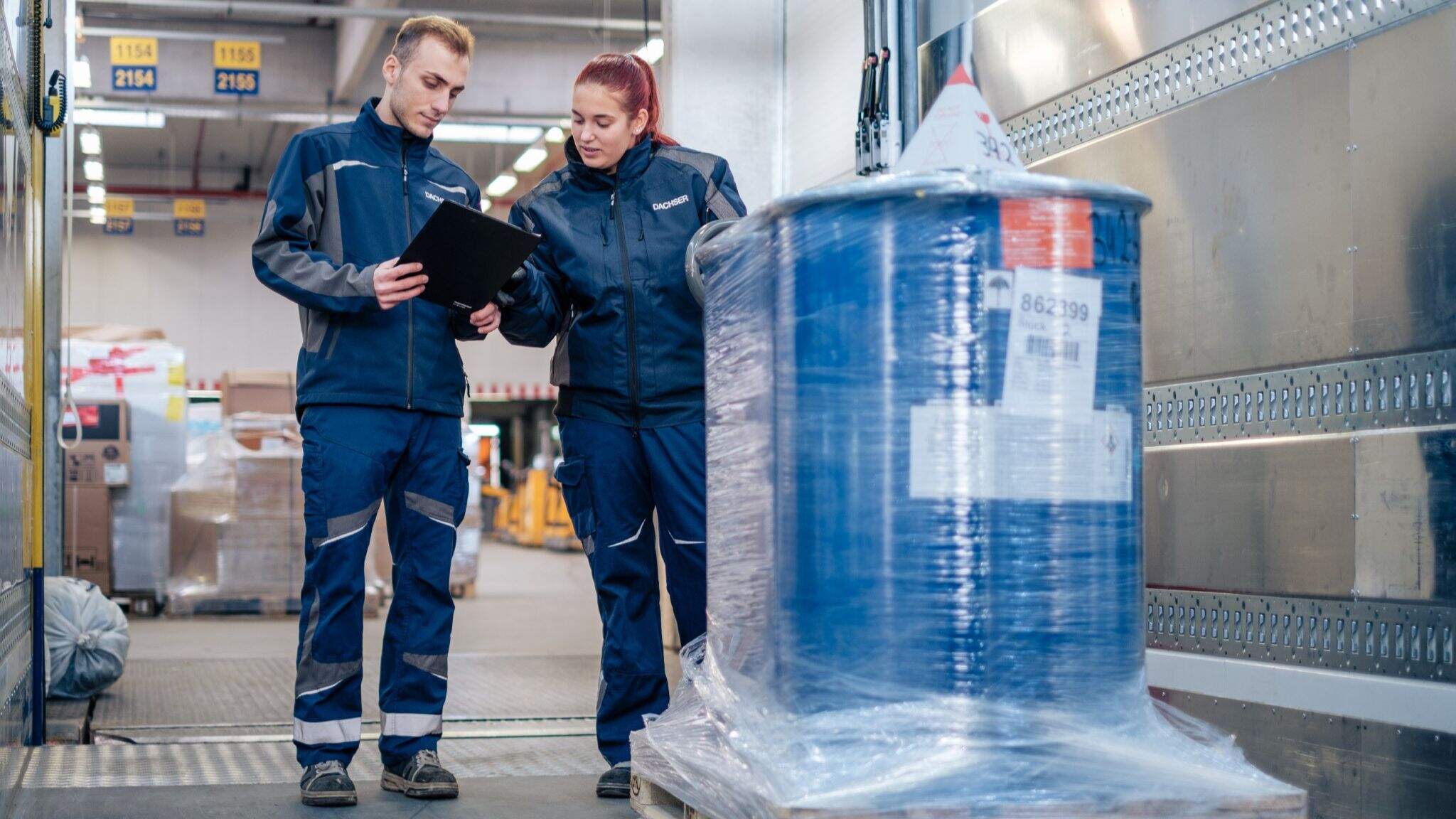
The report points to the growing need to invest in the development and retention of qualified staff. The chemical industry is struggling with a shortage of workers, and its image often makes it difficult to attract young talent.
The future of chemical logistics depends on people – their knowledge, experience, and ability to adapt in conditions of rapid technological progress. That is why we invest in competence development, training, and building a culture of safety.
– adds the DACHSER Chem Logistics expert.
Poland at the center of the transformation
The Polish chemical sector has a real chance to play a key role in the transformation of European chemical logistics. The condition is bold investment in innovation, flexibility in the face of changing economic conditions, and close cooperation within regional supply chains.
As the “Chemical Logistics on the Move” report shows, chemical logistics is becoming not only an operational support but also a strategic pillar of sustainable development for the chemical industry across Europe.
Source: Dachser