









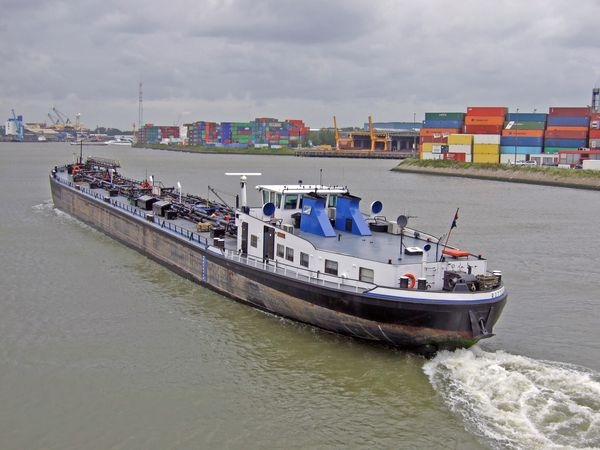
Inland transport has been neglected in Poland for years, which has significantly worsened navigation conditions on rivers. Currently, transport on short and local routes dominates. However, steps are being taken to stop the process of decapitalization of inland waterways.
Water transport has many advantages that are not fully utilized. Inland navigation has marginal importance in the country’s transport system. Compared to other Polish rivers, the Oder has the greatest significance for inland water transport.
Tasks of water management
The branch of the economy called water management deals with methods and means of shaping inland surface and groundwater resources. Surface waters perform various functions. The most important of these include:
1. transport function, i.e., inland water transport of goods and passengers, enabling the operation of ports, transshipment facilities, and river shipyards;
2. industrial and municipal functions, treating the river as a place for water intake for industry and the population, while simultaneously serving as a receiver for industrial and municipal wastewater;
3. agricultural function, aimed at maintaining proper water-soil relations and irrigating areas used for cultivation;
4. energy function, which includes the use of flowing water power for electricity production;
5. sports, recreational, and tourist functions, i.e., using the river as a place for spending free time and promoting active leisure.
The scope of water management tasks is defined by the Act on Government Administration Branches. It covers matters of:
1. shaping, protecting, and rational use of water resources;
2. maintenance of inland surface waters owned by the State Treasury, along with technical infrastructure related to these waters, including structures and water devices;
3. construction, modernization, and maintenance of inland waterways;
4. flood protection, including the construction, modernization, and maintenance of water devices protecting against floods, and coordination of projects serving the protection and flood defense of the state;
5. operation of the state hydrological and meteorological service and the state hydrogeological service, excluding issues of groundwater quality monitoring;
6. international cooperation on border waters within the scope of tasks belonging to the branch.
The article contains 27,780 characters.
Source: Logistyka Magazine