











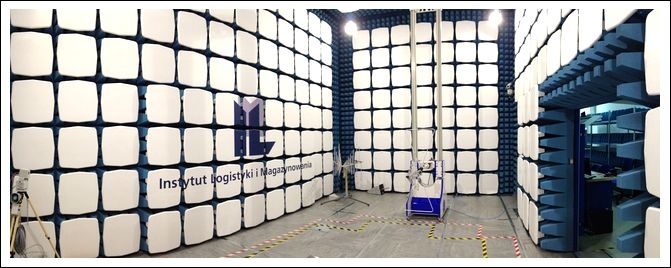
Radio Frequency Identification (RFID), compliant with the Electronic Product Code (EPC®) standard, allows for achieving high efficiency and transparency of logistics processes at the unit packaging level throughout supply chains. This technology plays a critical role in implementing new, omni-channel sales models – supporting retailers in creating positive experiences for their customers. Many retail companies worldwide are already using this technology to increase the accuracy of inventory monitoring, introduce improvements in the sales process, reduce stockouts, improve loss detection, increase sales at base prices, or accelerate return handling.
Brand owners therefore use EPC/RFID to gain knowledge about the movement of goods from the very beginning of their existence (from the factory) to stores, throughout the entire supply chain. By using RFID product tagging at the unit level, they achieve savings that ultimately translate into reduced operating costs and increased margins. A key aspect of implementing RFID technology is the performance of the applied solution. Many variable factors must be taken into account – the environment in which the system will be implemented, the properties of the tagged materials and objects, the efficiency of identification processes, the selection of appropriate technical components, etc. Until now, operational requirements regarding RFID technology were essentially different in every retail chain. Retailers conduct their own research and use their own research methodologies to check which RFID tags will perform well in the environment of their points of sale.
The results of research conducted in-house by retailers formed the basis for creating lists of RFID tags approved for use, which were then made available to the supplier community. This list essentially contained no additional information, such as best practices or guidelines on how and where to tag objects. Additionally, basically every retailer/retail chain had its own list of recommended RFID tags. As a result, the supplier community could simultaneously receive different guidelines regarding the selection of RFID tags from different customers, which could cause unnecessary operating costs and hinder the implementation of this technology.
The solution to this problem is the “Tagged Item Performance Protocol (TIPP)” standard, originally developed by the American GS1 branch, which is a standard for evaluating the performance of RFID tags placed on unit products. This standard provides not only a unified methodology for testing the efficiency of the identification process of tagged objects (not just the tags themselves), but also allows for simple communication of the obtained results in the form of a clearly formulated rating system. Currently, as part of the GS1 GSMP (Global Standard Management Process) standardization process, a global version of the standard is being developed, which, in addition to products dedicated mainly to the clothing industry, will also allow for the introduction of a rating system for other product categories (e.g., the DIY sector).
TIPP as such is a collection of documents that explain how to evaluate tagged objects, define tagging locations, the test protocol, and test configuration in order to define and verify the efficiency of the goods identification process in relationships between retailers/retail chains and their suppliers. These guidelines allow retailers to define their requirements much more easily (by communicating the required so-called minimum rating) regarding the performance of RFID technology on tagged objects/products, while leaving suppliers the freedom to choose RFID tags that will meet these requirements (both in relation to one and many recipients). The Institute of Logistics and Warehousing is one of the first in the world and in Europe to offer services in the field of TIPP rating verification in accordance with GS1 standards and guidelines.
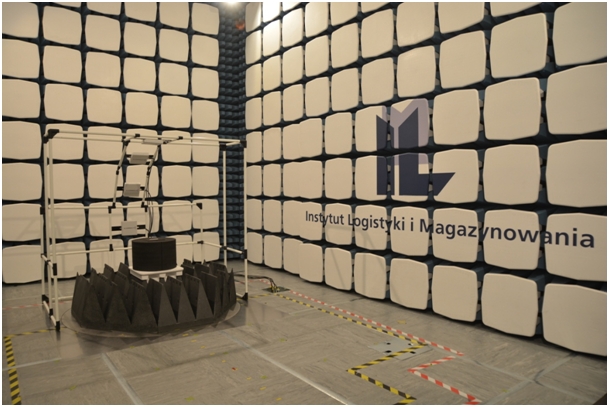
Fig. 1. TIPP testing station in the anechoic chamber of the Institute of Logistics and Warehousing
Source: own elaboration (photo: Tomasz Warzyński / ILIM)
The anechoic chamber of the Electronic Systems Laboratory and the RFID tag testing station of the Identification Technology Laboratory (Fig. 1) allow for offering comprehensive support both for suppliers (determining the TIPP level for a selected set of tag and product, indicating potential shortcomings, verifying the actual features of the offered solutions) and for retailers, in terms of verifying the compliance of the solution declared by the supplier with the requirements of the point of sale. The results of research conducted at the Institute and the support of experts in the field of RFID technology will allow for the effective implementation of automatic identification systems, reducing costs and the time required to launch the system.
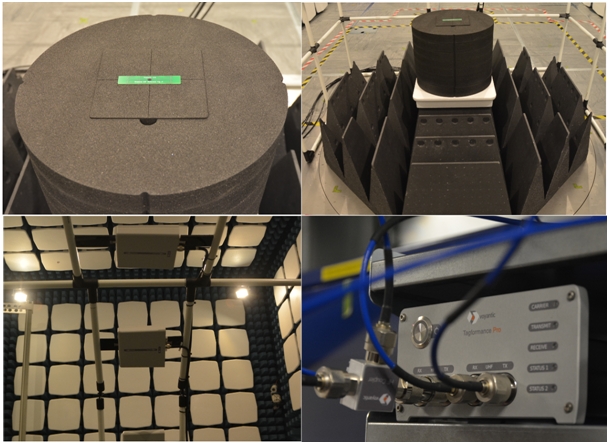
Fig. 2. Testing RFID tag parameters using the Voyantic Tagformance PRO system
Source: own elaboration (photo: Tomasz Warzyński / ILIM)
Tag parameter tests are carried out using the Tagformance PRO system from Voyantic (Fig. 2) and include, among others: determining the threshold, range, and orientation of effective reading, checking changes in these parameters depending on the material on which the tag was placed, as well as determining the physical characteristics of the tags in relation to the parameters of any RFID system. In other words, it allows for determining the tag’s response to communication with a simulated reader/programmer with specified parameters (compliant with ETSI or FCC standards).
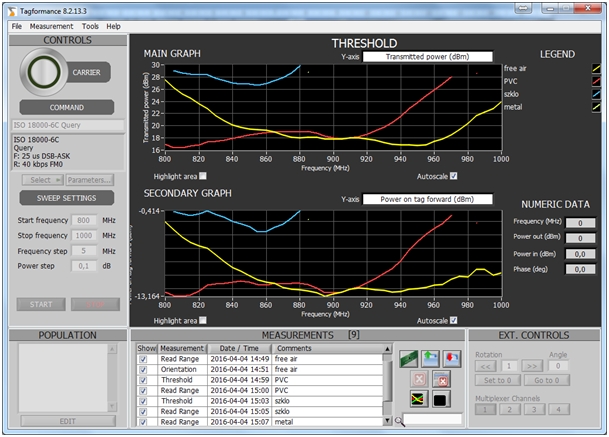
Fig. 3. Tagformance PRO test station software
Source: own elaboration
The functionality of the station also allows for measurements of power transmitted and scattered by the tag, electric field strength, as well as the effective radar cross-section (RCS) value (Fig. 3). All measured and calculated values are presented both in an accessible graphic form and in the form of raw data export (intended for further processing using the provided Voyantic software) and processed data (e.g., to MS Excel format).
If you are interested in services related to the evaluation of RFID technology performance according to the GS1 TIPP standard and consulting in the field of automatic identification technology implementations, we invite you to contact the representatives of the laboratories of the Institute of Logistics and Warehousing.
Michał Grabia, Head of the Identification Technology Laboratory
tel: +48 618504946, e-mail: Michal.Grabia@ilim.poznan.pl
Tomasz Markowski, Deputy Head of the Identification Technology Laboratory
tel: +48 616664839, e-mail: Tomasz.Markowski@ilim.poznan.pl
Krzysztof Sieczkarek, Head of the Electronic Equipment Laboratory
tel: +48 61 8504989, e-mail: Krzysztof.Sieczkarek@ilim.poznan.pl