









An interview with GAVIN WILLIAMS, Managing Director of GXO for the UK and Ireland.
Editorial: The topic of seasonal order peaks is crucial for the logistics industry. What does this look like in retail?
Gavin Williams: Seasonal order peaks are definitely a unique period for retailers. A significant portion of their annual revenue is generated during these few intense weeks, especially during the holiday season, which now begins with Black Friday and Cyber Monday and often lasts until January. Demand surges, and retailers must react quickly and flexibly to maximize sales potential. At the same time, they must efficiently handle an increasing number of returns, as these have a direct impact on customer satisfaction and brand loyalty.
Editorial: What challenges are associated with such demand spikes combined with a high volume of returns?
G.W.: The main challenge is the fact that peak demand and returns often overlap, which requires enormous resources. Managing order growth is complicated enough, but with a simultaneous increase in returns, it means even greater pressure on warehouse and transport systems. Some retailers are now charging for returns, while others are starting to offer ‘keep-the-item’ return options to reduce the costs of processing returned goods. For customers, efficient handling of both purchases and returns is crucial. Customers who receive ordered products quickly, even during peak season, and can easily make returns are often more loyal. Conversely, failing to meet these expectations risks losing customers to competitors who provide a better shopping experience.
Editorial: December was traditionally considered the climax of the peak season. Have there been any changes or shifts in timing here?
G.W.: Yes, absolutely. Traditionally, the holiday period was the main point of the seasonal order peak. Now, however, this period starts much earlier due to Black Friday and Cyber Monday. Seasonal peaks often extend into January, covering post-holiday sales, while returns usually begin just before Christmas and reach their peak in January. For example, at one of our fashion industry clients, we observed an increase in outbound orders from 3.6 million units in August and September to over 5 million in December. In the case of one of our food industry clients, volume increased by 78% from 5 million units in August to nearly 9 million in December. Even smaller brands often experience demand spikes of 50% to 100%. This volatility requires all retailers to have the flexibility to scale logistics to respond to changing demand.
Editorial: How important is returns management in this context?
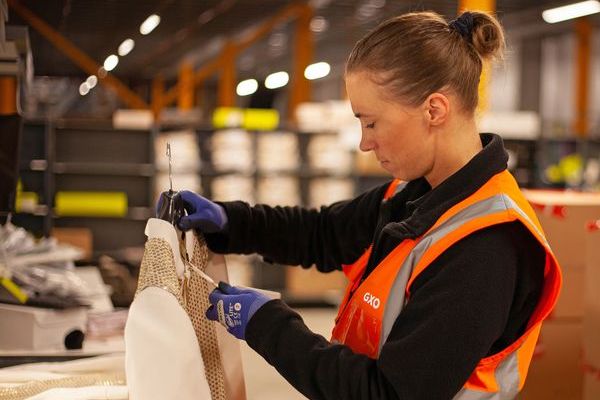
G.W.: Returns management is absolutely critical during the peak season. Especially in e-commerce, where return rates can reach as high as 35%, effective returns management is decisive for success. The number of returns often grows along with the number of orders, which further burdens logistics. Preventing returns is one way to reduce this burden. Accurate and timely fulfillment is essential, as incorrect or delayed orders are returned more frequently, which increases costs and impacts the environment. When goods are returned, the goal is to restore them to inventory and prepare them for resale as quickly as possible. At GXO, we strive to have goods available for resale within 24 hours of their receipt at the warehouse, so they can be sold again at full or near-full price.
Editorial: What other logistics strategies can influence the optimization of the returns process?
G.W.: In addition to fast processing of returns and restocking, sustainability is becoming increasingly important. Currently, our returns processes often include cleaning, repairing, and re-testing products to ensure they are not only ready for resale but also meet rigorous ESG requirements related to waste reduction and landfilling. Furthermore, prioritizing returns based on demand is key. We process returns of best-selling products first so they can quickly return to sale, as this determines their resale price. Additionally, data from returns can suggest directions for product development. We can identify recurring issues and implement appropriate changes to reduce the number of returns in the future.
Editorial: How does technology increase the efficiency of returns management at GXO?
G.W.: Thanks to the use of technology at GXO, we can effectively manage returns. We use advanced automation and data analytics to streamline and accelerate the returns process. Our systems are designed to efficiently handle a large number of returns, using robotics and machine learning to quickly sort and process products. Moreover, the data we collect from returns provides actionable insights, helping us refine our warehouse strategies and increase customer satisfaction by resolving recurring product issues. This technology-driven approach not only reduces the time products are out of circulation but also minimizes the environmental impact associated with reverse logistics.
Editorial: What does logistical preparation for the peak order season look like?
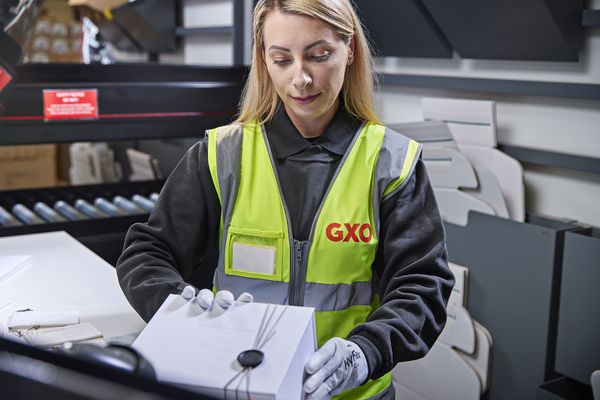
G.W.: First and foremost, during seasonal order peaks, we adopt the principle of ‘we are one team.’ The entire company increases its efforts and has the ability to make quick decisions. During this time, we increase our headcount by approximately 35%, so it is important to have trusted business partners and proven processes for onboarding new employees who are ready to work safely, quickly, and effectively. We also focus on cybersecurity and system resilience. Our IT and warehouse management systems are tested for high demand during the peak season. We are increasingly using AI-based models to more accurately forecast demand.
Editorial: What technologies do you use to support these processes?
G.W.: In our logistics centers, we deploy adaptive technologies, automation in the form of personalized digital equipment, autonomous robots, and automated systems that enable us to work efficiently, even under extreme volume requirements. A flexible transport fleet is also crucial; we can redirect vehicles from less busy areas to avoid delays and maintain delivery deadlines. Our dynamic systems also allow us to select returns according to priorities. This enables faster processing for best-selling products and maximizes revenue. Furthermore, our returns data provides valuable insight into product quality, helping to improve the offering over time.
Editorial: And what does this look like for smaller brands? Do they also have access to these resources?
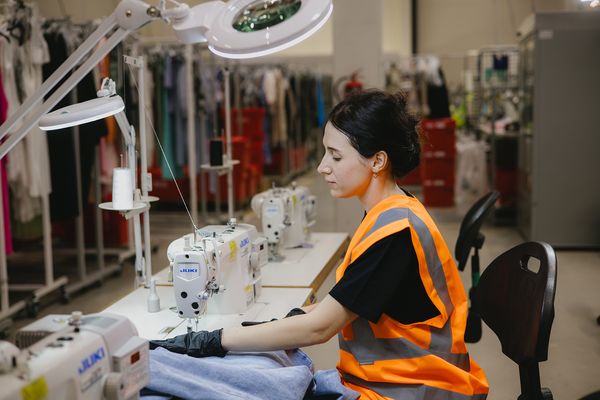
G.W.: Of course. For smaller brands, we offer a solution called ‘GXO Direct,’ which provides access to scalable services and the latest technologies. Shared warehouses allow them to benefit from automation, returns processing, and refurbishment services, all with economies of scale. This ensures the ability to manage seasonal demand even without their own extensive logistics infrastructure.
Editorial: What advice would you give to retailers regarding managing seasonal peaks?
G.W.: Increasingly extreme seasonal order peaks should no longer surprise anyone. They are no longer limited to the annual holiday period, and higher return levels have become a part of life in the retail industry. Retailers should not be discouraged by this. The development of automation, technological solutions, and artificial intelligence in today’s leading warehouse and transport systems means they can be managed efficiently and quickly. Logistics now plays a key role in retail success, and the challenge for many retailers is not how to provide the right logistics services, but how to choose the right logistics partner that will provide them with a significant competitive advantage.