











The requirement to track the movement and origin of goods in the supply chain is not new, especially for industries related to food production, cosmetics, or pharmaceuticals. However, FMCG companies do not always manage to meet this requirement. Often, in a situation where a specific batch of products must be withdrawn from the market because it has been found to have negative health quality and is therefore dangerous to consumers, companies have trouble determining exactly what needs to be withdrawn and how to reach the source of the problem.
All participants in the value chain—suppliers, manufacturers, distributors, retail chains, stores, as well as transport companies and logistics operators—are responsible for monitoring the origin of food, because contamination or spoilage of food can occur at any point in the chain. The essence of traceability is the ability to monitor a given product (production batch) at every stage of the supply chain, i.e., the ability to obtain data from the previous stage of the chain (from whom and what was received) and at the same time provide information to the next stage (to whom and what was sent).
Enterprises realized quite quickly that they could effectively use the guarantee of product safety and quality and its tracking throughout the supply chain to build a competitive advantage, and turn the costs and investment outlays for the traceability system into market success. The GS1 system, using global standards for labeling goods and supporting the flow of information, has the necessary tools to meet the requirements related to traceability, regardless of the role the enterprise plays in the supply chain. Within the GS1 system, there are tools that enable the implementation of the following functions:
• unambiguous identification of goods based on unique GS1 numbers,
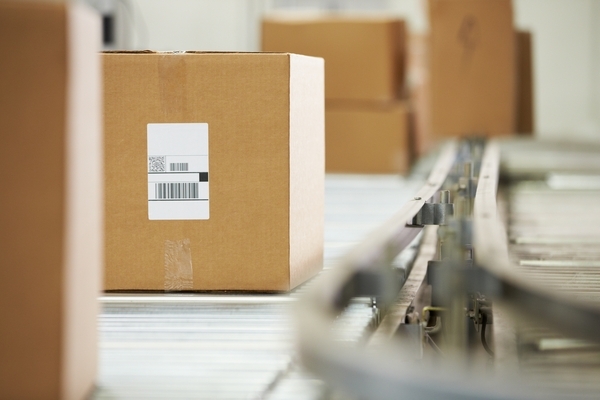
• automatic collection of data on goods and loads moved in the supply chain based on scanning standard barcodes,
• transmission of information via electronic commercial documents.
By using GS1 standards, transport and logistics companies can standardize information and automate its receipt. In this way, they gain more time for using information rather than receiving it. Among the tangible benefits associated with using GS1 standards in the area of traceability, one should mention:
• increased transparency of the flow of goods and shipments,
• ensuring that a defective batch is quickly found,
• increasing distribution safety,
• reducing the number of errors associated with automatic data entry into the system,
• improving the efficiency of operational activities related to the flow of goods and information about them.
Thanks to voluntary GS1 standards developed by the users themselves, companies in the transport and logistics sector can work more efficiently, cheaper, and in a more sustainable and competitive manner.
The ability to track products supports the proper identification of dangerous production batches and much faster removal from the market in the event of a health hazard. This is not only a legal requirement but also a matter of consumer safety and their trust in a given product brand. The entire supply chain should use methods and tools that enable this goal to be achieved. Therefore, it is not only manufacturers who care about an effective traceability system, but also trade partners, i.e., logistics operators and transport companies, among others. An undoubted support in the implementation of traceability is the use of GS1 standards in the area of identification and communication with trade partners.
In times when a company’s intangible heritage—its brand—constitutes 85% of its total value, an image crisis caused by introducing a substandard product or one that threatens consumer health to the market can significantly lower trust in the manufacturer, effectively negatively affecting sales and brand valuation. It can therefore be said that traceability is a tool not only for effective supply chain management but also for corporate reputation.
More information on traceability can be found on the GS1 Poland Foundation website.
Grzegorz Sokołowski, GS1 Poland Traceability Expert