











In December 2024, the Sejm passed an act extending the freeze on electricity prices for households until the end of September 2025. The new regulations also provide for a price freeze for local governments and public utility entities, but only until March. Businesses were not included in this privilege and must face rising energy costs. The situation is particularly complicated in the most energy-intensive types of activities, including the management of large-scale facilities such as warehouses.
The amendment to the act on emergency measures aims to limit the increase in electricity prices and support some consumers, including households and public institutions. This initiative also stems from higher-than-expected price levels in approved heating tariffs, which did not fall at the rate assumed in the original forecasts.
Businesses must prepare for higher bills
However, protective measures will not cover businesses, and high energy prices hit companies that consume the most energy in the economy the hardest. According to the Polish Economic Institute’s report “Business reaction to the energy shock,” the most energy-intensive sectors include transport and industrial processing, which together consume 54 percent of total energy. Business owners in this industry must be prepared for a significant increase in electricity bills this year. Increases could reach 25 percent, which means a large rise in operating costs that could negatively affect customer relations.
– Not all companies are prepared for the increase in operating costs, which can seriously affect their functioning. In response to rising expenses, some companies may decide to raise the prices of their services, passing some of the burden on to consumers. As a result, the final burden of the increases may fall on customers, negatively affecting their satisfaction. This problem may particularly affect industries with an extensive supply chain, where higher costs apply to a larger number of entities – says Mariusz Gajek, Central Europe Technical Director at FM Logistic.
Investments already made may also deteriorate. Price increases also mean changes in budgets allocated by companies for specific activities, such as the expansion and development of units. When determining the annual budget, potential additional expenses should be taken into account, but they cannot always be predicted, especially in the case of rising energy prices.
How are companies coping?
Companies that cannot count on support are looking for solutions that will reduce energy consumption without affecting work efficiency. Achieving this goal is definitely more difficult for companies with large-area automated warehouses. A large amount of energy is needed to handle the loading and automated processes carried out in them. However, examples from the logistics industry show that reducing electricity consumption can be very effective, while at the same time using green solutions and reducing CO2 emissions.
One of them is the Watt Watchers project implemented by FM Logistic, which, as a solution with a significant impact on sustainable development, was awarded the Green Designer award in 2024. The project was implemented at the end of 2022, when a group of FM Logistic experts developed a set of 75 predefined actions within various aspects of the company’s operations. The effect of the implemented actions was a reduction in energy consumption for the entire FM group by 14.3 percent.
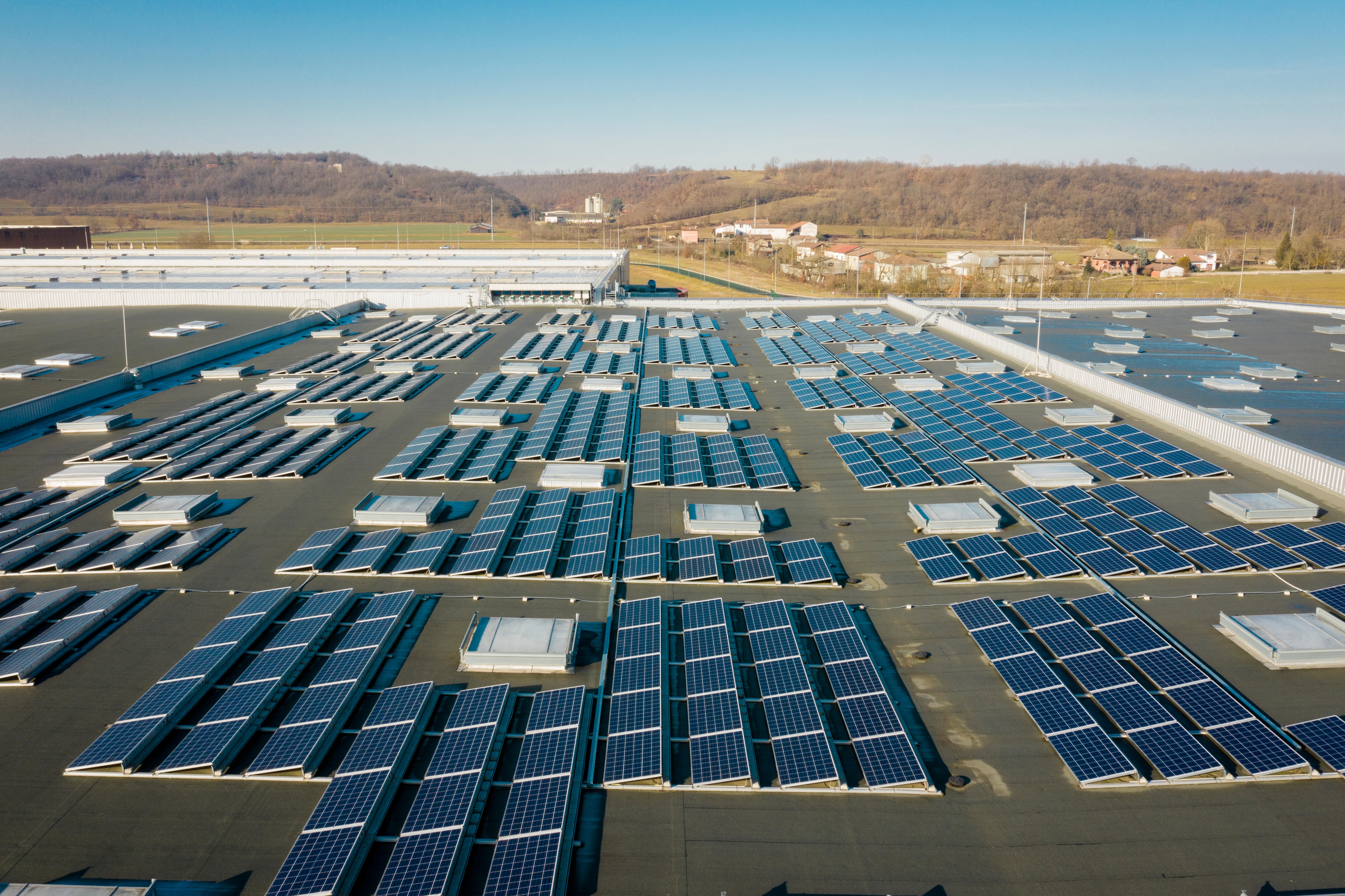
– The solutions applied as part of the Watt Watchers project bring us large savings. Their scale varies depending on the facility and the level of technical complexity. Taking these factors into account, we are talking about a reduction in energy consumption at the level of 8–25 percent. Thanks to the use of solutions such as: photovoltaic panels, heat pumps for office heating, intelligent temperature and lighting control, or optimization of electricity consumption for charging forklift batteries, we can also boast a significant reduction in CO2 emissions. Our employees, who put into practice habits such as unplugging electrical appliances or a rational approach to temperatures in offices, were of great importance to the success of the project – adds Mariusz Gajek.
Implementing such solutions is important from the perspective of sustainable development, but it also means real financial savings. Especially when it comes to large-scale industrial facilities, where the scale of energy consumption is much higher.
Source: FM Logistic Central Europe