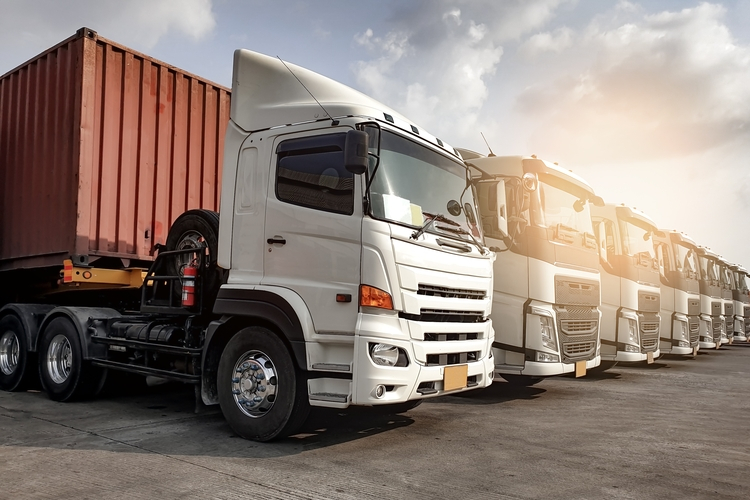
IVECO, Daimler Truck AG, OMV, Shell, and the Volvo Group have committed this week to collaborate on creating the conditions for the mass deployment of hydrogen-powered trucks in Europe.
As more governments and companies share a common vision of a net-zero energy system, H2Accelerate participants believe that hydrogen is the essential fuel to enable the full decarbonization of the heavy-duty transport sector. Full-scale deployment of hydrogen-powered trucks is expected to contribute to the creation of new industries: zero-emission hydrogen production plants, large-scale hydrogen distribution systems, networks of high-capacity liquid and gaseous hydrogen refueling stations, and the production of hydrogen trucks. H2A participants believe that synchronized investments across the sector will create the conditions for a mass market for heavy transport based on hydrogen fuel, which is necessary to meet European net-zero ambitions by 2050.
– The widespread adoption of hydrogen fuel cell technology in heavy transport is possible provided the necessary infrastructure is in place. We also need very concrete projects to demonstrate, together with carriers and other stakeholders in the industry, that this solution is financially and operationally viable. The groundbreaking collaboration within H2Accelerate will create the conditions for this and accelerate the transition to zero-emission transport – says Gerrit Marx, President of Commercial and Specialty Vehicles at CNH Industrial.
DEPLOYMENT PHASES
PHASE 1 – FIRST REFUELING STATIONS AND TRUCKS
– Hundreds of trucks
– Over 20 high-capacity stations
– Testing the concept of high-capacity stations
– Selected locations/clusters
PHASE 2 – PAN-EUROPEAN COVERAGE
– Second half of the 2020s: large-scale production in thousands of units per year
– Rapid scaling: 10,000 trucks
– Coverage of key European transport corridors
– High-capacity/reliable stations
During the scaling period, support from the public sector will be essential. H2Accelerate participants plan to jointly seek funding for early pre-commercial projects in the first phase of deployment. At the same time, they will persuade policymakers and regulatory bodies to create a political climate conducive to the transition to mass production of hydrogen trucks and the construction of a pan-European network for refueling with carbon-free hydrogen.
– The benefit is obvious. Thanks to a massive increase in scale, hydrogen trucks will become available to customers at costs comparable to owning and operating current diesel trucks, or even lower. Truck users need to be offered zero-emission vehicles with similar parameters in terms of refueling time, range, and costs as the vehicles they use today. For this to happen, clear regulatory frameworks are needed, including coordinated policies on hydrogen supply, hydrogen-powered trucks, refueling infrastructure, and consumer initiatives – said Elisabeth Brinton, Vice President of New Energies at Shell.