









Energy is currently one of the key factors influencing the profitability of modern logistics. Warehouses, distribution centers, transshipment terminals, and the developing electromobility infrastructure generate a constantly growing demand for electricity. At the same time, companies are facing energy price instability and increasing customer expectations regarding emission reductions throughout the entire supply chain.
The scale of this phenomenon is systematically growing along with the dynamic development of the warehouse market in Poland. In the first quarter of 2026, total modern warehouse space reached 37.4 million m², compared to approximately 34.6 million m² a year earlier. This means an increase of nearly 3 million m² in just one year, which directly translates into an increase in energy demand in this sector.
According to Eurostat data, in the second half of 2025, the average electricity price for business consumers in the European Union was 18.37 euros per 100 kWh, marking a 3.5% decrease compared to the previous half-year. Despite this correction, price levels remain significantly higher than before the energy crisis, which maintains cost pressure in energy-intensive sectors such as logistics.
Warehouses as energy production centers
One of the greatest assets of the logistics sector that can help reduce energy-related cost pressure is the availability of large roof surfaces that can be used for photovoltaic installations. Increasingly, warehouses and distribution centers are ceasing to be just energy consumers, becoming producers as well. This is particularly important in facilities operating for many hours a day, where a significant portion of energy consumption coincides with the period of peak solar energy production. As a result, energy can be consumed directly on-site, reducing grid intake and lowering operating costs.
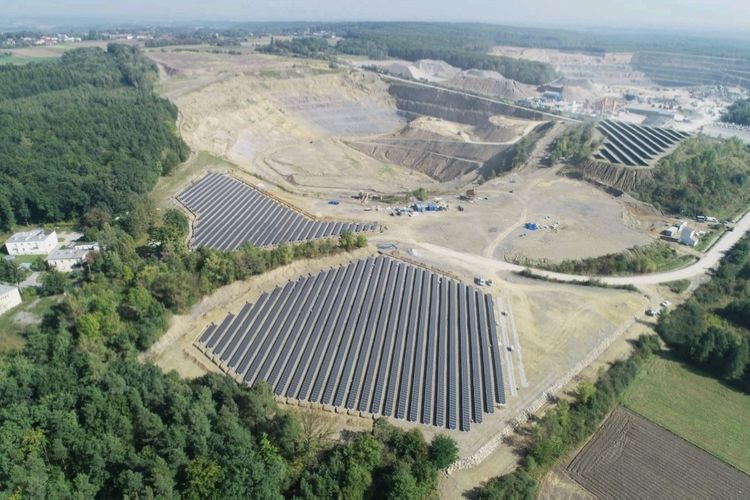
The logistics sector has unique potential for utilizing renewable energy sources. Large warehouse roofs and predictable energy consumption profiles mean that on-site solutions can very effectively support both cost reduction and the implementation of decarbonization strategies – emphasizes Ireneusz Kulka, Country Lead at EDP in Poland.
EDP is a global leader in the field of renewable energy sources. The company entered the Polish market in 2008 and, in terms of investments made, is the largest foreign investor in the domestic renewable energy sector. For over 15 years, it has been actively supporting the green transformation of the Polish economy, developing and operating wind and solar energy projects that contribute to energy security and sustainable development.
Photovoltaics and energy storage – the perfect solution?
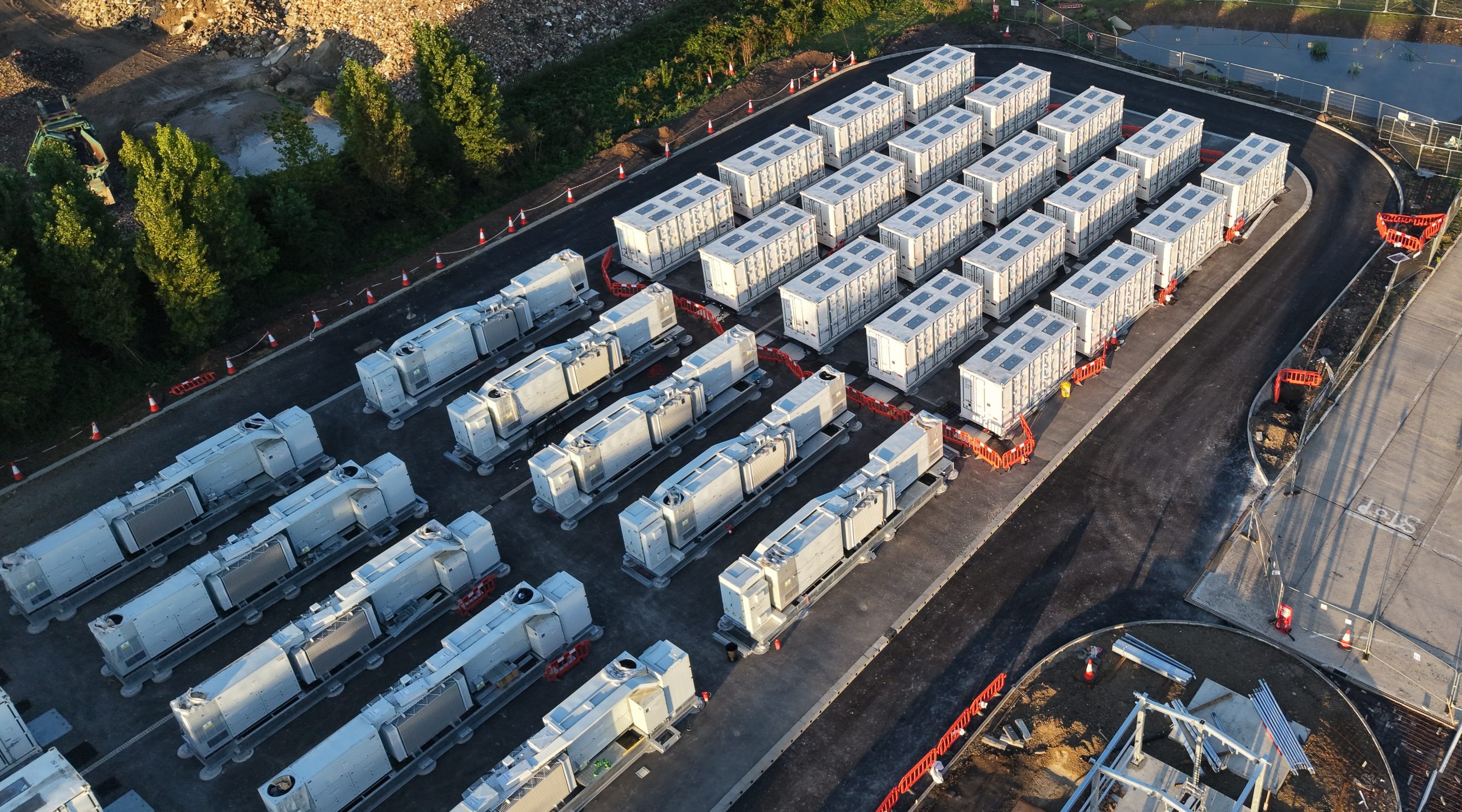
Although photovoltaic installations play an increasingly important role in logistics, fully utilizing their potential also requires the development of energy storage. BESS (Battery Energy Storage Systems) allow for the storage of surplus energy produced during the day and its use when production from panels is limited or non-existent. Thanks to this, companies can increase their level of energy self-consumption and reduce grid intake during hours when the highest rates apply. Combining photovoltaics with energy storage also increases the energy security of logistics facilities, whose operations are increasingly based on continuous access to electricity.
In recent years, the logistics sector has undergone a profound transformation. The growing scale of logistics infrastructure means that energy is no longer just an operating cost, but is becoming one of the key factors influencing the stability and predictability of operational activities – adds Ireneusz Kulka.
Decarbonization of the entire supply chain
A few years ago, emission reduction efforts focused mainly on transport. Currently, increasing attention is being paid to the entire supply chain, including warehouses and distribution centers. Large manufacturing, retail, and industrial companies expect their logistics partners not only to provide efficient operations but also data regarding their carbon footprint and concrete actions to limit emissions. This means that the way energy is sourced for use in logistics facilities is becoming an increasingly important element of supplier evaluation.
In practice, the decarbonization of logistics means not only the development of low-emission transport but also improving the energy efficiency of buildings, the electrification of equipment used in warehouses, and increasing the share of renewable energy sources in daily operations.
Transformation
In the logistics of the future, energy will play an increasingly important role. Growing energy demand, the development of electromobility, and customer expectations regarding emission reductions mean that companies must seek new ways to increase operational efficiency. Renewable energy sources allow for simultaneous emission reduction, improved cost predictability, and increased energy independence for logistics facilities. Combined with energy storage, they are becoming an essential element of modern supply chain management strategies.