











The global maritime container transport sector, which is an integral component of global maritime shipping, is currently subject to the influence of three parallel mechanisms that shape the real processes carried out in this highly internationalized sphere of transport.
On one hand, there is the freight market with its typical mechanism of autonomous regulation, supported by best practice standards developed in the transport and trade sectors. On the other, there is the public international regulatory subsystem, whose operating mechanism is based on established norms and standards defined by global shipping policy, created by international organizations and institutions such as the IMO, ILO, EC, EMSA, EASA, etc. Finally, the third regulatory mechanism is the global logistics system (megasystem) within which maritime operators and container carriers function. The mechanism of this regulatory subsystem operates on the basis of parameters precisely defined by logistics operators of global supply chains and networks, which determine the requirements for handling commodity, information, and financial flows in logistics terms (time and costs). The regulatory system of the real sphere of the global maritime container transport sector defined in this way is presented schematically in Fig. 1.
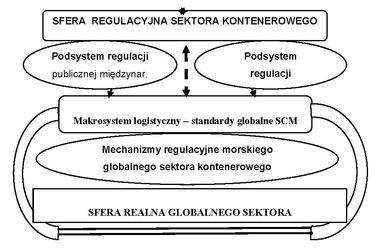
Fig. 1. The regulatory sphere of the global maritime container transport sector. Source: Own elaboration.
Regulatory actions taken within the public regulatory subsystem, which are currently quite precisely coordinated internationally, form the foundations of the modern regulatory system in the global maritime transport sector. They complement and support the operation of the traditional autonomous regulatory subsystem with its characteristic freight market mechanism. Its regulatory mechanism, despite its many advantages, including significant transparency, openness, and independence (autonomy), is not an ideal mechanism for shaping relations in this sector. It is unable to resolve, in a way that satisfies the international community, the serious problems generated by transport activities carried out in both the container and other maritime transport sectors on a global scale, including a number of challenges in the field of broadly understood shipping safety and security, environmental safety, social safety, etc. For these main reasons, it must be supplemented by an additional public regulatory regime, shaped by strong and influential governmental and non-governmental international organizations.
The article contains 30,240 characters.
Source: Logistyka Magazine