









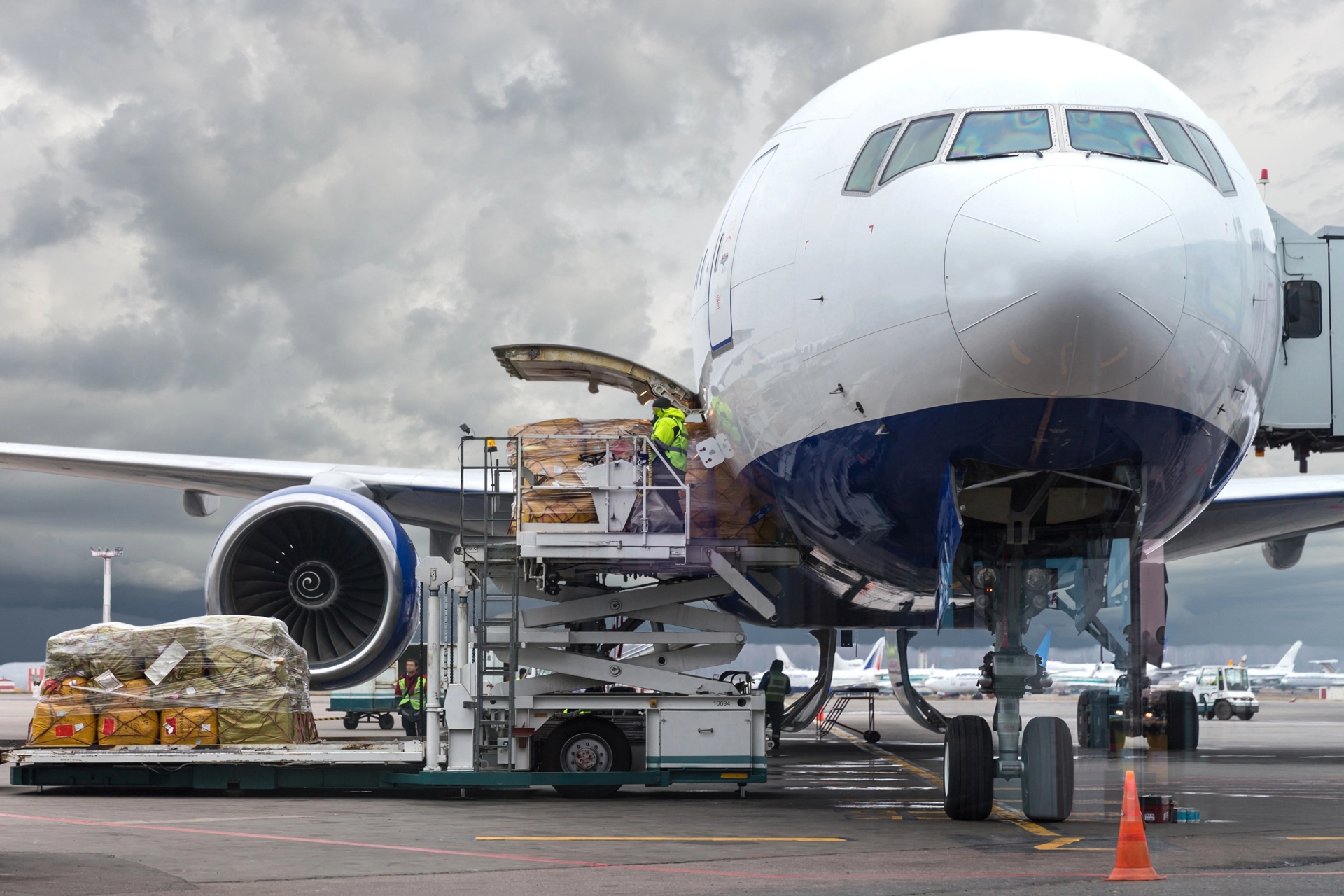
Aviation fuel availability – Europe. The oil market remains extremely sensitive to any signal regarding the security of transport through the Strait of Hormuz and a possible de-escalation of the conflict in the Middle East. According to Saudi Aramco, only 2 to 5 ships are currently passing through the strait daily. Previously, this was about 70 under normal conditions, which shows that the physical supply problem has not yet been solved. At the same time, tensions over the availability of aviation fuel are beginning to affect the entire European transport market. They may thus increase the importance of road transport in cargo handling. For the TSL industry, this also means a potential increase in demand for transport services and growing cost pressure related to diesel and fuel market instability. Fuel prices in Poland changed only slightly again last week. Pb95 gasoline became 8 groszy per liter more expensive, while diesel became 4 groszy per liter cheaper.
Brent crude entered the week beginning May 4 with a sharp rise. After another escalation of tensions around the Strait of Hormuz, prices closed at USD 114.44 per barrel. However, by Wednesday, the price had fallen below USD 100 during the session, and the day ended at USD 101.27. At first glance, this looked like a clear decline. In practice, the market was not pricing in the real availability of oil, but the hope that Washington and Tehran could find a way to a temporary agreement.
Return to open crisis
Subsequent days showed, however, that the market is very quickly returning to risk pricing. When talks stalled again, Brent rebounded above USD 104 per barrel, and according to Reuters, it briefly approached USD 108. This shows that the market remains extremely sensitive to every signal regarding transport security and the future of flows through Hormuz. This is not stabilization, but moving between two scenarios: partial de-escalation or a return to open crisis.
The price currently does not change depending on the number of barrels actually reaching the market, but on the probability investors assign to further de-escalation or re-escalation of the conflict. The physical problem remains unresolved. According to Saudi Aramco, only 2 to 5 ships are currently passing through the Strait daily, compared to about 70 under normal conditions. While there are the first signs of a partial restoration of tanker traffic, it remains very limited and far from normalization. Saudi Aramco CEO Amin Nasser estimates that the market is losing about 100 million barrels of oil per week. Even an immediate opening of the Strait would not, in his opinion, mean a quick return to normality. If the restrictions persist until mid-June, real market balancing may not be a matter until 2027.
Additionally, the US Energy Information Administration has raised the scale of estimated supply disruptions. It is currently assumed that due to tensions around Hormuz, as much as about 10.8 million barrels per day could be missing from the market. It is also becoming increasingly clear that the problem is shifting from the price of oil itself to the availability of finished fuels and the functioning of the entire logistics chain.
The problem is not oil, but finished fuels
For transport companies, diesel is becoming more important today than the price of Brent itself. The final price of fuel does not depend solely on the price of the raw material. It also consists of the availability of appropriate types of oil for refineries, refining margins, maritime transport insurance costs, the level of stocks of finished products, and the logistics of the entire supply chain. US data for the week ending May 1 previously showed a decrease in distillate stocks by 1.3 million barrels. The latest data brought only a slight rebound in stocks, which does not change the fact that they remain significantly below the multi-year average. The US market is obviously not a Polish gas station, but for globally traded products, this is a clear signal: finished fuels remain the weakest link in the entire chain.
Aviation fuel availability – Europe. Growing tensions over the availability of aviation fuel are becoming an additional risk for the European fuel market. Aviation fuel and diesel are produced from similar oil fractions. Problems with one fuel very quickly increase pressure on the other as well. This means that the diesel market may remain tight even with a temporary drop in Brent crude prices.
At the same time, restrictions on the availability of aviation fuel may begin to affect the entire European transport market. In a situation of rising costs and the risk of shortages, some cargo transport, especially in the segment of express shipments, e-commerce, electronics, or pharmaceuticals, may be shifted from air to road and intermodal transport. For the TSL industry, this would mean a potential increase in demand for transport. Greater operational pressure on the availability of drivers, fleet, and logistics capacity is also possible. At the same time, carriers would operate in conditions of rising diesel costs and very high fuel market volatility. The sector may find itself in a situation where the number of orders is growing, but predicting contract profitability and real operating costs is becoming increasingly difficult.
The market remains in a phase of high instability
The outlook remains extremely broad. In a more optimistic scenario, flows through Hormuz gradually return to normal, and Brent may become cheaper in the coming months. In the risk scenario, the Strait remains a political tool. The physical market is normalizing very slowly, and oil remains well above current levels. Saudi Aramco is talking about months, not days, today. Analysts are also increasingly talking about a “false market calm,” where short-term price drops do not yet mean the resolution of supply problems. This is key information for transport companies: even a potential agreement does not have to mean a quick drop in diesel prices.
For transport companies, the practical conclusion is simple. Contracts should be structured in such a way that weekly changes in diesel prices of a few percent do not disrupt the entire business calculation. Fuel clauses and shorter valuation periods are not excessive caution today. They are becoming a condition for maintaining the profitability of orders in a situation where the market changes faster than the issued invoice.
The past week, therefore, did not bring a calming of the situation. It only showed how little it takes for oil prices to fall and how little it takes for risk to return to the market. For transport companies, this means an environment in which simply monitoring the current price of diesel is no longer enough. Contracts must be built so that the company does not take on all the geopolitical risk.
Source: Malcom Finance, Poland