











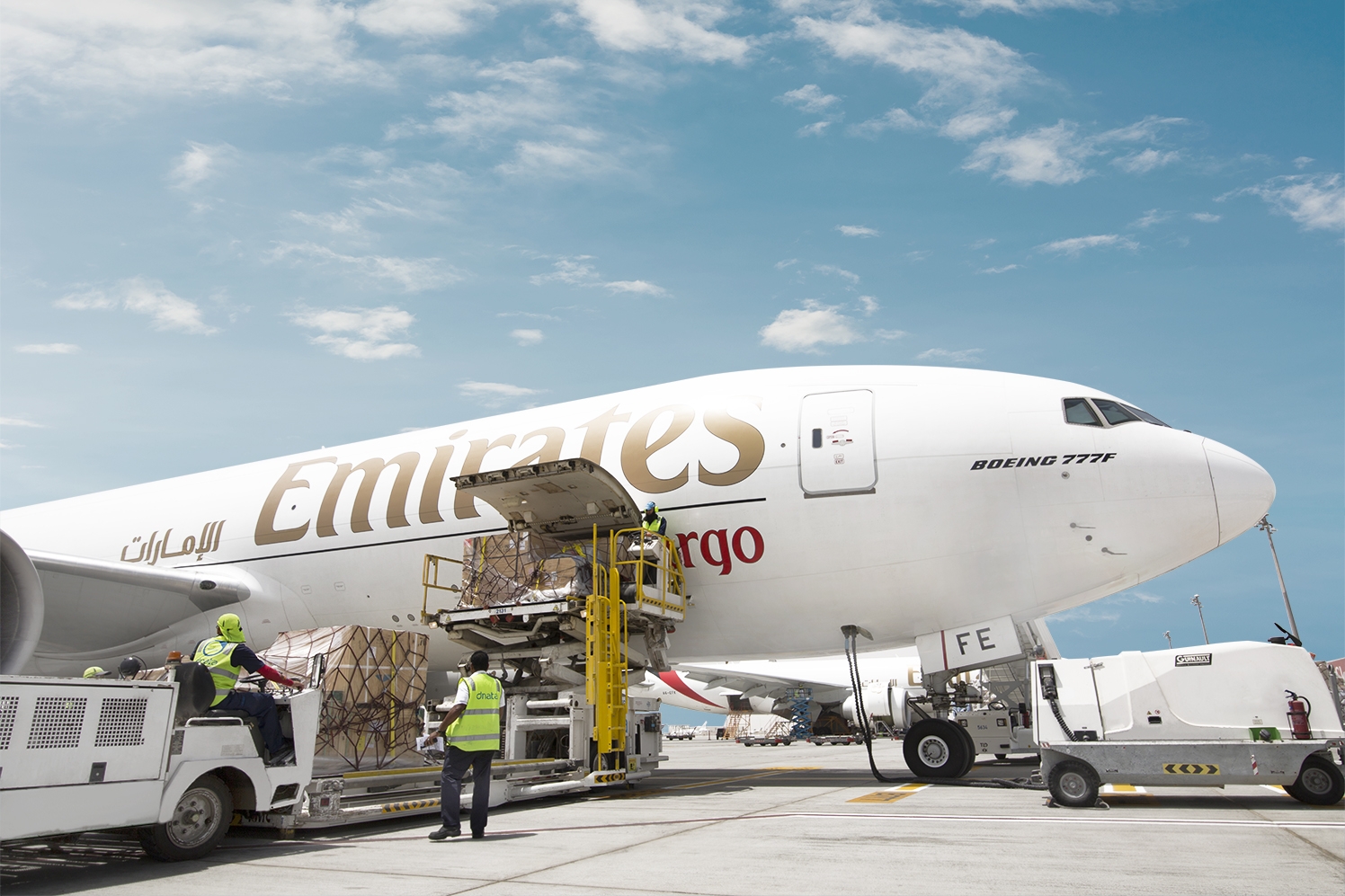
With the launch of passenger services to Hangzhou, China, Emirates SkyCargo now offers more than 21,000 tonnes of weekly capacity to and from East and Southeast Asia, as part of the largest and most diverse network of any non-Asian airline. Deepening its presence in the region, Emirates SkyCargo now serves 25 ports across 12 countries and territories.
East and Southeast Asia have created vibrant economic corridors that require significant air cargo capacity to deliver goods around the world. Emirates SkyCargo’s dedicated freighters serve 9 ports in the region, operating 44 flights per week – the highest density of cargo connections in the airline’s vast global network. This schedule is complemented by 13 charter flights to and from East Asia each week, ensuring consistent capacity and stable connectivity for Asian businesses with Europe and the Middle East. Freighter and charter operations are supported by 311 weekly passenger flights, operated by a mix of Airbus A380 and Boeing 777 aircraft, carrying both passengers and cargo.
With such high flight frequency, an Emirates aircraft takes off from East or Southeast Asia on average every half hour.
Supporting economic growth
As a global hub for innovation, e-commerce, and advanced manufacturing, as well as having a thriving agricultural sector, East and Southeast Asia have long been key markets in the global Emirates SkyCargo network. In an average week, Emirates SkyCargo transports over 450 tonnes of fresh fruits, vegetables, seafood, and other perishables, 100 tonnes of pharmaceuticals and medical devices, 75 tonnes of electronics, semiconductors, and smart devices, 180 tonnes of apparel, and over 1,300 tonnes of e-commerce shipments.
The “Air Silk Road,” a network of air routes, logistics hubs, and aviation infrastructure reflecting the historical land and sea Silk Roads, enables fast and efficient connections to markets around the world. With an extensive network covering over 145 destinations, Emirates SkyCargo is well-positioned to support global trade. In fact, Emirates SkyCargo plays a vital role in China’s Belt and Road Initiative, providing fast and reliable connections to more than 50 countries participating in this venture.
Strength through partnership
Beyond its own network and capacity, Emirates SkyCargo has established a strategic partnership with Teleport, the exclusive cargo partner of AirAsia, to better support growing trade between Southeast Asia and the rest of the world via Dubai. With access to over 100 major, secondary, and local airports in the region, Emirates SkyCargo can better serve global customers by offering more capacity, greater flexibility, and access to new markets in Asia. Conversely, Emirates SkyCargo supports businesses in Southeast Asia by providing them with better connectivity to Europe, the USA, and Canada.
A series of “firsts”
Since the beginning of its operations in East Asia, Emirates has been setting new standards. In September 2002, Emirates SkyCargo launched freighter services between Dubai and Shanghai, establishing the first direct air link between the Middle East and mainland China, 18 months before passenger operations began.
The streak of success continued in 2025, when Emirates SkyCargo launched a weekly freighter flight to Japan’s Narita Airport, marking the first direct and scheduled freighter service between Narita and the Middle East. This enables faster and more flexible transport, with the freighter from Narita carrying, among other things, pharmaceuticals, semiconductor parts, and large or unusual cargo such as machinery components.
Executing an ambitious 10-year growth strategy, Emirates SkyCargo continues to prioritize East and Southeast Asia as key markets for capacity expansion – both by adding more flights and launching entirely new routes. By deepening connectivity in the region and maintaining seamless links to key markets around the world, Emirates SkyCargo will continue to play a pivotal role in strengthening global supply chains, supporting bilateral economic growth, and shaping the future of global logistics.
Source: Emirates