











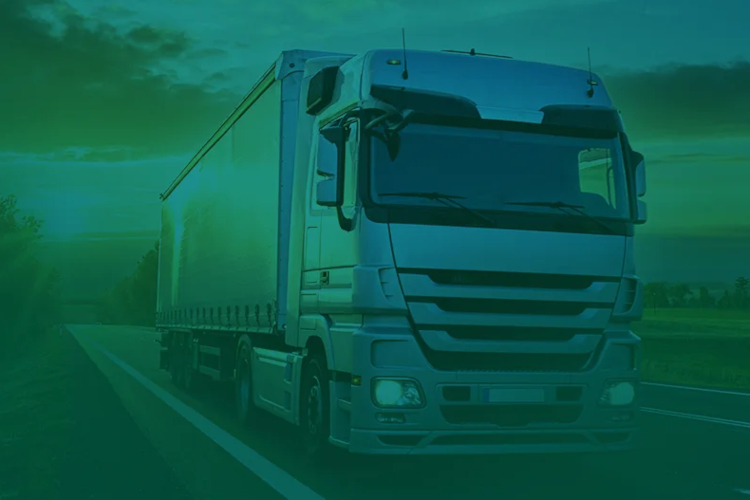
The direct contribution of the transport and storage sector to Poland’s GDP is 6%, but its importance to the economy is significantly higher. Currently, more and more companies are focusing on the digitalization of transport, low-emission buses are appearing on the streets of more cities, and residents are using car-sharing services more frequently. These phenomena were examined by EFL in its latest special report.
Entrepreneurs focus on modern transport
About ⅔ of those surveyed use or would like to use transport management technologies – mainly GPS monitoring, but also logistics platforms and electronic documents. There is also a demand for systems for automating processes and handling transport orders, as well as analytical tools for improving driving style (eco-driving).
Another trend in transport, forwarding, and logistics is decarbonization. Low- and zero-emission vehicles are gaining an increasing share of the Polish market. In 2022, 1,456 electric trucks and delivery vehicles found their owners, which is an increase of as much as 140% compared to the previous year.
The technological revolution in the field of alternative drives has already reached heavy transport. With the emergence of alternative fuels (gas, hydrogen), manufacturers of vehicles for the transport of goods and people are increasingly offering cars powered by electric engines – says Marcin Stasiak, Business Development Manager at EFL.
Ecological transformation
In order to achieve climate neutrality by 2050, EU countries will invest in the purchase of zero-emission vehicles and the development of charging station networks, as well as implement eco-friendly legal regulations and promote clean energy. According to research, over 32% of companies are reducing their consumption of coal, oil, and gas, and almost one in four enterprises is focusing on RES.
Transport is facing the challenge of increasing the efficiency of journeys while simultaneously reducing its environmental impact. Hence, technologies supporting the effective management of vehicle fleets that cover thousands of kilometers per month are playing an increasingly important role in transport services. This makes it possible to optimize vehicle routes, automate and accelerate logistics processes – adds Marcin Stasiak, Business Development Manager at EFL.
For ecological reasons, the importance of public transport is growing, and Poland is among the European leaders in terms of electric bus registrations. For example, in the capital, the number of e-buses in 2022 was 160, which accounts for almost 11% of the entire MZA Warsaw fleet. Last year, the first hydrogen bus also hit the streets of Warsaw.
The sharing economy brings benefits
More and more people are noticing the benefits of using items without the need to own them. The form of financing fixed assets in the form of leasing is gaining importance. Entrepreneurs from industries such as manufacturing, construction, transport, and trade, as well as farm owners, declare their readiness to lease vehicles or machinery in the near future.
Modern technologies are also changing the image of mobility for residents in large agglomerations – thanks to them, we are witnessing new trends and a new perspective on car usage. Mobility “on demand,” i.e., popular car-sharing, is the result of a growing need for increasingly efficient and economical use of cars – comments Marcin Stasiak from EFL.
The widespread adoption of car-sharing around the world would allow for a reduction in the number of cars on the roads by ⅓. IPSOS calculated that cars stand unused in parking lots for as much as 96% of the time. Meanwhile, 1 shared vehicle can replace 11 private cars, thereby freeing up as much as 150 m2 of space.
The evolution of financial services follows the above changes – leasing instead of purchasing, shortening contract durations, or the subscription model are the main trends for the automotive market for the coming years – the expert adds.
The full version of the EFL report “Transport and car-sharing in Poland” is available on the website: https://efl.pl/pl/biznes-i-ty/raporty/raport-efl-transport-i-car-sharing-w-polsce